Macao's flavors tell story of cultural fusion
"You won't find Portuguese Chicken in Portugal, nor African Chicken served on African dining tables," Ana Manhão, a Macanese resident of south China's Macao Special Administrative Region, said with a laugh while preparing Macanese cuisine in her kitchen.
"These inimitable fusion dishes are exclusive specialties of Macao — a tasty culinary mark forged by the convergence of diverse cultures right here," she added.
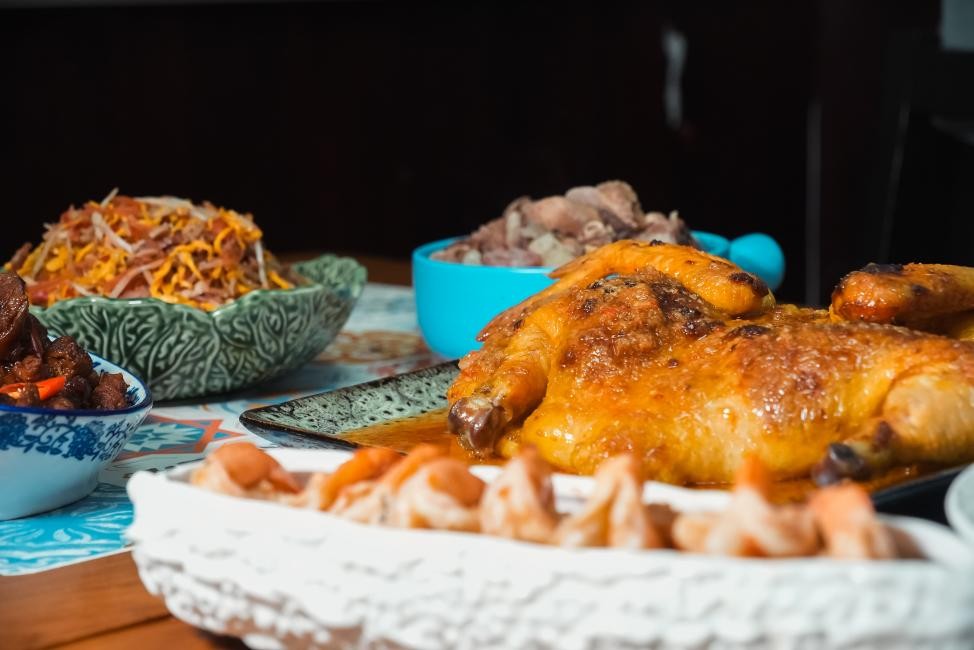
A selection of traditional Macanese dishes. (People's Daily Online/Wu Yuyangyang)
In June 2021, Macanese gastronomy was inscribed on the fifth list of China's national intangible cultural heritage, further cementing Macao's status as a UNESCO City of Gastronomy.
Nowadays, this tradition has been passed down through Macanese generations and earned worldwide renown. Tasting authentic Macanese cuisine in Macao has become a popular must-try experience for tourists from around the world.
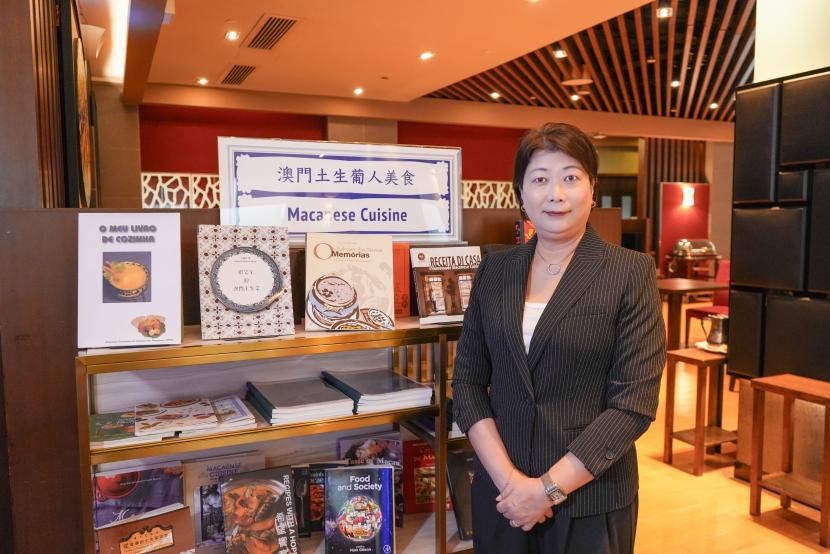
Diamantina Coimbra, former vice rector of the Macao University of Tourism, gives an interview. (People's Daily Online/Han Yuxuan)
Diamantina Coimbra, former vice rector of the Macao University of Tourism, said Macanese cuisine traces its origins to the 16th century. Inheriting Portuguese culinary essence, it combines ingredients and cooking styles from Europe, Asia, Africa and other parts of the globe, creating an array of colorful and diverse delicacies.
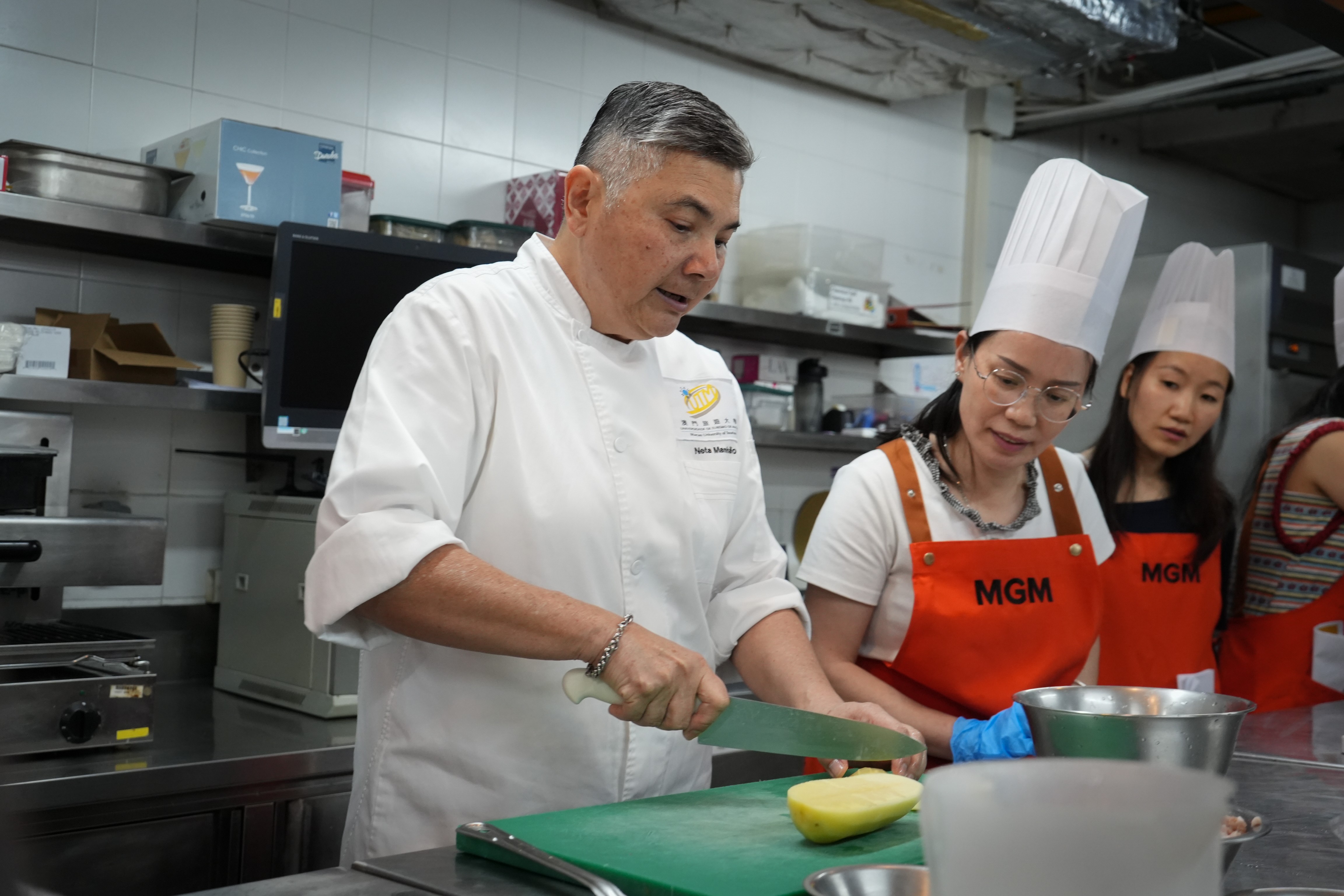
Antonieta Manhão, Macanese cuisine mentor at the Macao University of Tourism, leads a cooking class. (People's Daily Online/Wu Yuyangyang)
"Unlike French cuisine with elaborate plating, Macanese cuisine was simply made to let families enjoy hearty, comforting meals," said Antonieta Manhão, Macanese cuisine mentor at the Macao University of Tourism.
To her, the dishes carry the warmth of ordinary life. She cited minchi as an example: the dish uses both Chinese soy sauce and Western spices, with flexible sides and hearty portions that feed the whole family, delivering global flavors in one bite.
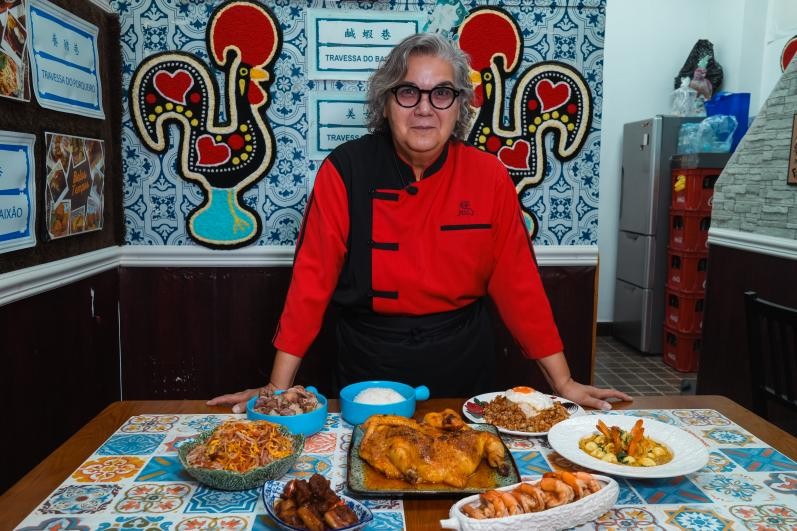
Ana Manhão, founder of Belos Tempos restaurant, poses with a spread of Macanese dishes. (People's Daily Online/Han Yuxuan)
"Every family has its own recipes, as well as home-style cooking skills handed down from generation to generation," said Ana Manhão. After retiring, she opened a restaurant called Belos Tempos, inspired by the Cantonese phrase meaning "Let's meet at our usual place." For more than a decade, it has kept its original flavors unchanged, aiming to pass down Macanese cuisine.
There are plenty of stories to tell about Macanese cuisine. But it all comes down to two words: fusion and home. No heavy seasoning, no end to the warmth — that's what makes Macanese cuisine so special. This flavor belongs to Macao, and to the whole world.
(Web editor: Hongyu, Wu Chengliang)