

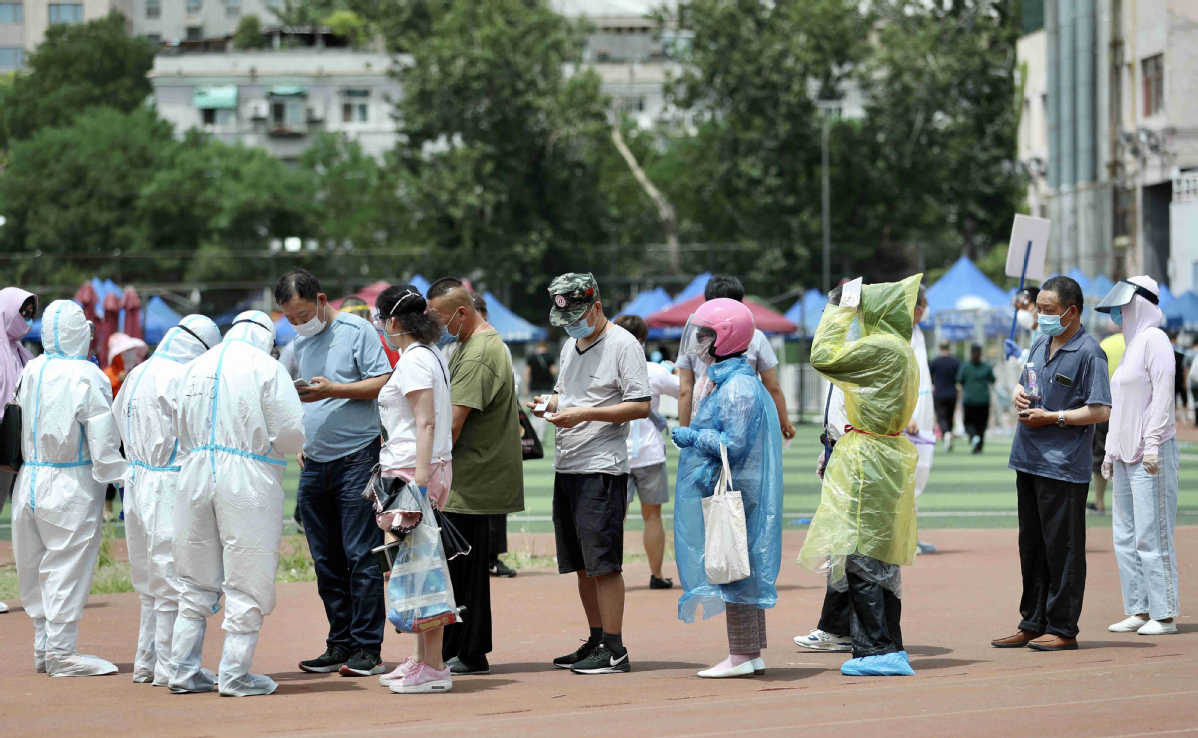
People line up for nucleic acid testing on June 15, 2020 at Guang'an Gymnasium in Xicheng District, Beijing. Beijing is organizing nucleic acid tests for 90,000 residents to curb a new cluster of local COVID-19 infections. [Photo by Zou Hong/chinadaily.com.cn]
Question 5: How many people should be tested?
More than 8,000 workers and tenants at the Xinfadi market have all received nucleic acid tests as of the early hours on Sunday, and they have been sent to centralized isolation points for medical observation, Beijing government official Xu Ying said.
The city has surveyed about 200,000 people who visited the market from May 30, and asked them to stay at home for observation, Xu said.
According to experts, anyone who visited the market or had close contacts with personnel at the market should receive tests, said Pang Xinghuo, deputy director of the Beijing Center for Disease Control and Prevention.
These people should report to their workplaces or communities if their situation changes and stay home, said Pang.
People who have no contact with personnel at the market and no symptoms do not need to have tests, but if they want to be tested, they can contact medical laboratories listed by the Beijing health authority.
 |  |

 Award-winning photos show poverty reduction achievements in NE China's Jilin province
 People dance to greet advent of New Year in Ameiqituo Town, Guizhou
 Fire brigade in Shanghai holds group wedding
 Tourists enjoy ice sculptures in Datan Town, north China
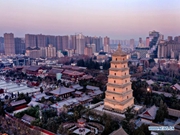 Sunset scenery of Dayan Pagoda in Xi'an
 Tourists have fun at scenic spot in Nanlong Town, NW China
 Harbin attracts tourists by making best use of ice in winter
 In pics: FIS Alpine Ski Women's World Cup Slalom
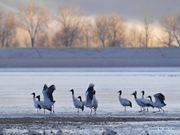 Black-necked cranes rest at reservoir in Lhunzhub County, Lhasa
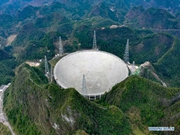 China's FAST telescope will be available to foreign scientists in April