

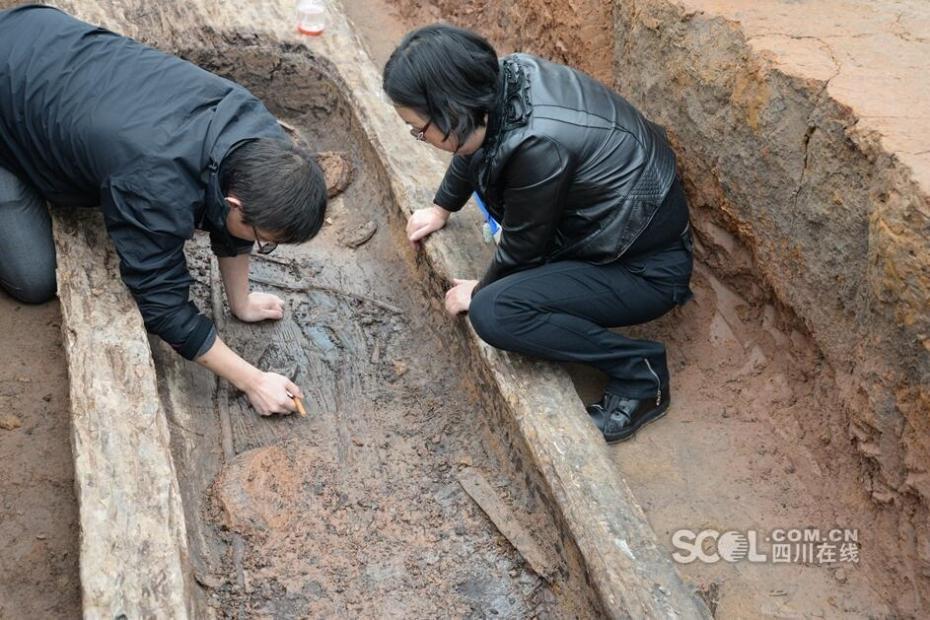
Chinese archaeologists have unearthed a large cluster of boat coffin tombs dating back to the Warring States Period (475-221 BC). The discovery indicates that Sichuan established economic, trade and cultural exchanges via the Silk Road as early as over 2,000 years ago.
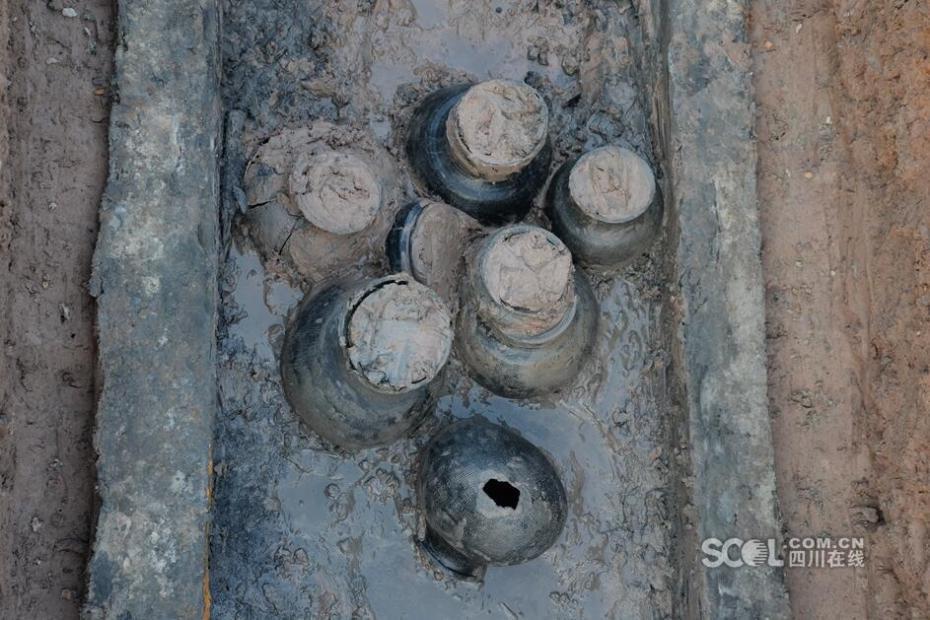
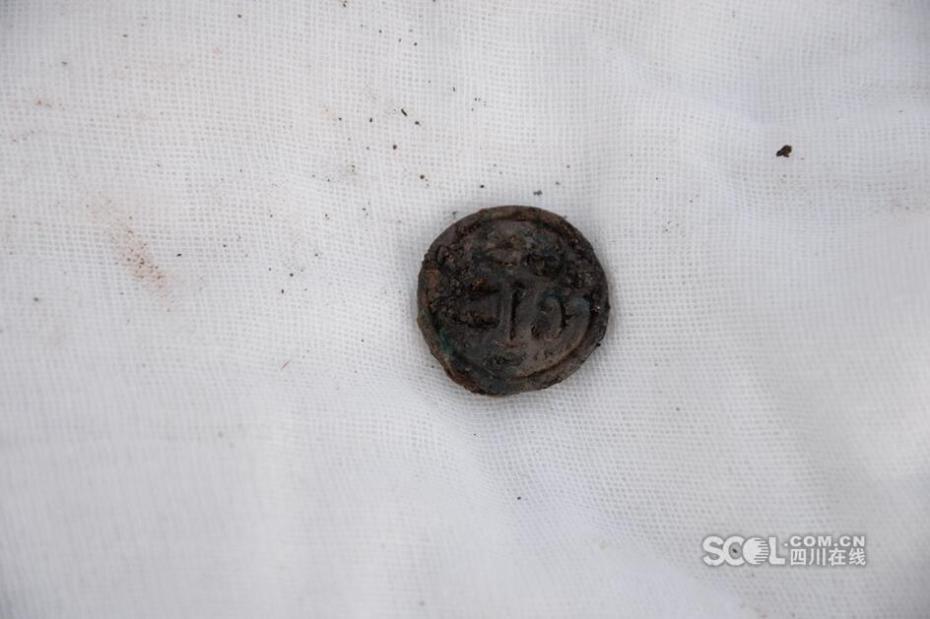
The tomb cluster, featuring 60 coffins arranged in four rows, was discovered at a construction site in Pujiang County, Sichuan province in September 2016. By mid-January 2017, 47 tombs had been excavated, according to the Chengdu Cultural Relics and Archaeology Institute. In addition, over 300 pieces of pottery, bronze, iron and bamboo, as well as weapons, coins and 11 seals, have also been dug up.
Two excavated tombs were notably well preserved. Workers discovered 10 bamboo baskets of grain and seeds in one tomb, and a delicate string of glass beads on the waist of another tomb's occupant. The latter discovery indicates the high status of the body.

 Award-winning photos show poverty reduction achievements in NE China's Jilin province
 People dance to greet advent of New Year in Ameiqituo Town, Guizhou
 Fire brigade in Shanghai holds group wedding
 Tourists enjoy ice sculptures in Datan Town, north China
 Sunset scenery of Dayan Pagoda in Xi'an
 Tourists have fun at scenic spot in Nanlong Town, NW China
 Harbin attracts tourists by making best use of ice in winter
 In pics: FIS Alpine Ski Women's World Cup Slalom
 Black-necked cranes rest at reservoir in Lhunzhub County, Lhasa
 China's FAST telescope will be available to foreign scientists in April