



Suzhou infuse modern trends into traditional craftsmanship of silk weaving
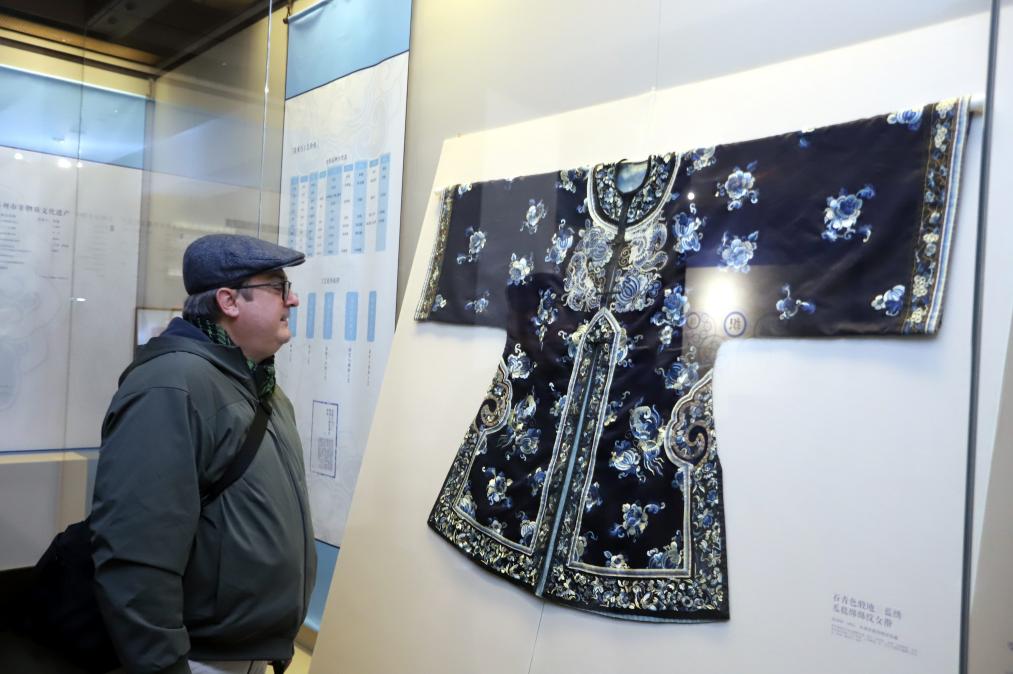
A foreign tourist visits the Suzhou Silk Museum in Suzhou, east China's Jiangsu province, Dec. 27, 2025. (Photo/Wang Jiankang)
Silk stands as one of China's foundational innovations and a defining symbol of Chinese civilization. Today, this ancient textile is undergoing a quiet revolution -- transitioning from museum artifacts and luxury goods into contemporary fashion and daily essentials.
At 7 p.m. in Suzhou's Gusu District, 1990s-born tailor Shi Yi arranges new inventory at Dashi Tailor Shop. Their winter qipaos (Cheongsam), featuring innovative down insulation within traditional silhouettes, blend elegance with practicality, resulting in constant orders.
Since 2023, the Suzhou Silk Museum has digitized textile patterns, transforming static artifacts into dynamic cultural assets. Leveraging this resource, Shi Yi reinterpreted classic motifs -- cloud patterns, intertwining vines, and floral-bird designs -- for modern aesthetics. This approach birthed sophisticated products: Song brocade handbags merging heritage with functionality; silk cushions elevating living spaces; notebook covers offering tactile cultural experiences. Through such innovations, ancient craftsmanship finds new relevance.
Technology has meanwhile granted silk unprecedented resilience. At Jiangsu Huajia Silk Co., Ltd. in Shengze, Wang Yongyu, deputy general manager of Jiangsu Huajia Silk Co., Ltd (Huajia), demonstrates stain-resistant fabric by pouring red wine onto silk and effortlessly wiping it clean. "We've armored silk with nanoscale protection," Wang explains, solving a centuries-old maintenance challenge.
To address silk's wrinkling and shape retention issues, Huajia's R&D team perfected a silk-spandex fusion. This innovation preserves silk's natural luster, comfort, and breathability while adding elasticity and wrinkle resistance. With 5% annual revenue invested in R&D and over 180 patents secured, Huajia now exports globally.
Innovation extends to production methods. Nearby at Wujiang Dingsheng Silk Company, electronic jacquard looms -- enhanced with AI-powered monitoring systems -- produce intricate Song brocade. Once painstakingly woven at just 5 cm daily, this luxurious textile now flows continuously with machine precision. Chairman Wu Jianhua's innovations have increased productivity hundreds-fold, democratizing what was historically elite craftsmanship.
Beyond fabric, silk now embodies a lifestyle philosophy. In Qidu township's 33-hectare "Landscape Mulberry Fields" eco-park, the ancient mulberry-fish pond ecosystem thrives alongside modern silkworm rearing facilities and craft workshops. Partnering with Soochow University and industry leaders, the park serves as an innovation hub.
Founder Liu Ying, whose silk enterprise previously exported to 30+ countries, explains: "After decades perfecting textiles, we now promote a 'silk lifestyle' -- reconnecting people with sericulture heritage and nature." Urban professionals like Xu Shasha frequent the park: "Here, city bustle fades. Time slows, and hearts find calm." In 2025, tens of thousands visited, boosting local homestays and agricultural sales.
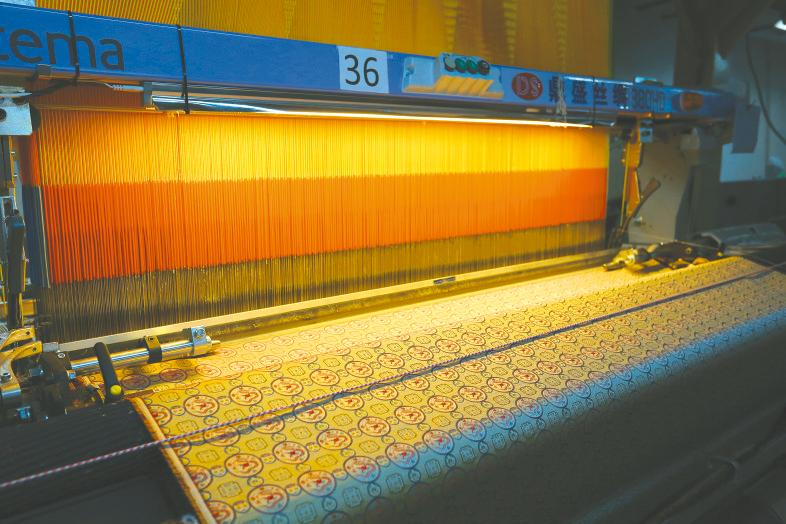
Photo shows a jacquard loom for making Song brocade of Dingsheng Silk. (Photo provided by Dingsheng Silk)
In Suzhou, the ancient wisdom of sericulture is no longer just a museum relic--it has become a living economy, vibrant, thriving, breathing new life into everyday life.
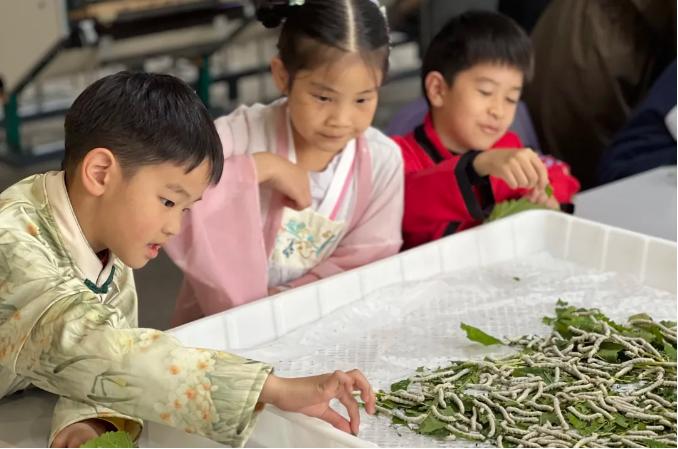
Children feed silkworms at eco-park complex "Landscape Mulberry Fields" in Qidu township, Suzhou, east China's Jiangsu province. (Photo from the official account of Landscape Mulberry Fields on WeChat)
Photos


Related Stories
- Trending in China | Jinling folding fan: elegance in hand
- China produces roughly 75 pct of world's silkworm cocoons
- Smart silkworm factory revitalizes sericulture in village, E China's Anhui
- Trending in China | Mulberry silk: 'Queen of fibers'
- Research on silk artifacts showcased in east China
- Unraveling the historical origins of ancient Chinese silk
- Suzhou's Wujiang district cultivates thriving silk industry
- Trending in China | Zhuang Brocade: a treasure of Chinese culture
- The ink that takes five years to make: Longquan lotus silk paste
- Chinese traditional silk weaving: Art of 'kesi'
Copyright © 2026 People's Daily Online. All Rights Reserved.
