
In 2020, the demand for face masks has been put under the spotlight because of the coronavirus pandemic.
In March, the WHO estimated that 89 million medical masks would be needed monthly, calling on industry and governments to increase manufacturing by 40 percent to meet that demand.
By May 2020, China's production capacity for masks exceeded 200 million a day, more than 30 times of its capacity prior to the outbreak.
From March 1 to May 31, China exported more than 70 billion masks to about 200 countries and regions.
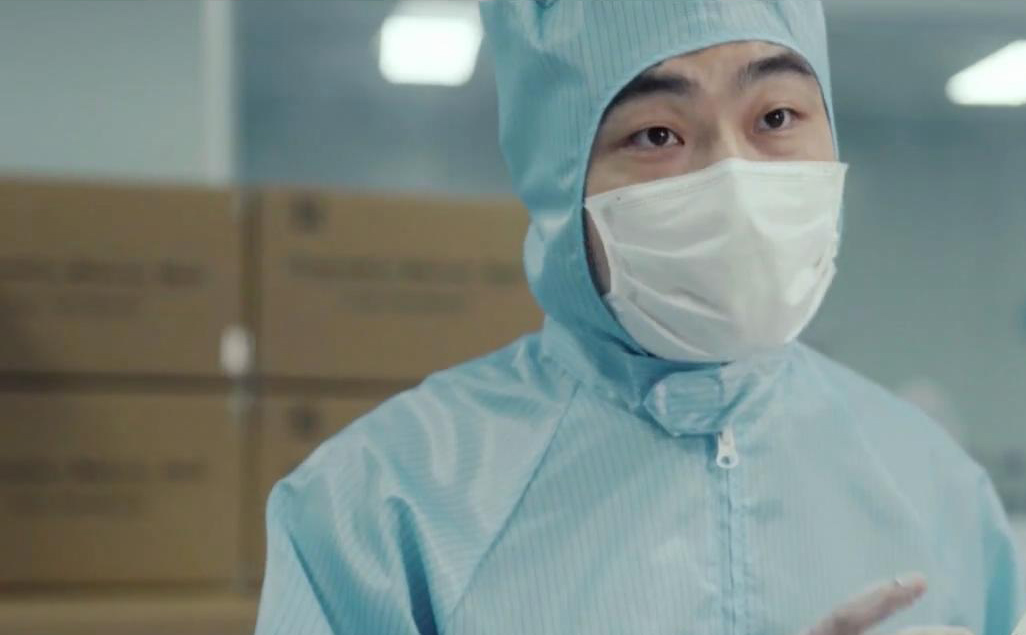
How did this happen?
To find out, a People's Daily's team went to Fuzhou in East China's Fujian Province, a city recognized as the gateway to the Maritime Silk Road, where connectivity has become an important asset amid the pandemic.
The team talked with DaddyBaby, which originally made maternal products, and E&D Group Corp, which originally made apparel, and switched their production lines to make masks because of the pandemic.
The team also talked with Zhongjing Petrochemical, which purchased equipment to make melt-blown material, a key component for masks, to fill a supply shortage.
Working day in and day out, they share one goal — to ensure a steady supply of face masks and protect people from the coronavirus.
Click the video to find out how ordinary Chinese people from various industries have come together, forming a complete supply chain for making masks, despite encountering difficulties including resource and equipment shortages and tight deadlines.

 Award-winning photos show poverty reduction achievements in NE China's Jilin province
 People dance to greet advent of New Year in Ameiqituo Town, Guizhou
 Fire brigade in Shanghai holds group wedding
 Tourists enjoy ice sculptures in Datan Town, north China
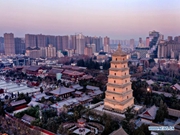 Sunset scenery of Dayan Pagoda in Xi'an
 Tourists have fun at scenic spot in Nanlong Town, NW China
 Harbin attracts tourists by making best use of ice in winter
 In pics: FIS Alpine Ski Women's World Cup Slalom
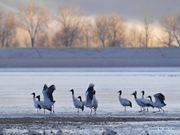 Black-necked cranes rest at reservoir in Lhunzhub County, Lhasa
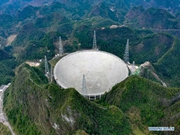 China's FAST telescope will be available to foreign scientists in April