

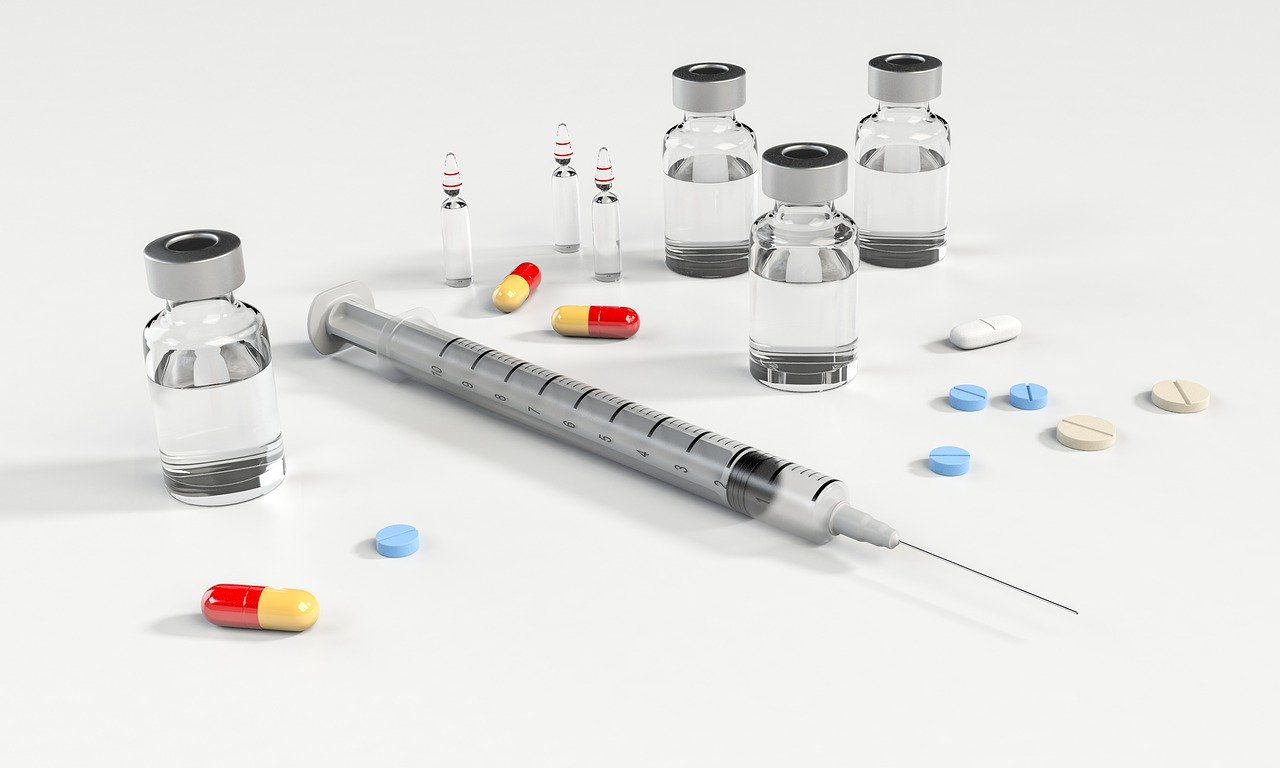
Following the US Food and Drug Administration’s approval of a new Chinese blood cancer drug in November, Chinese biotech giants have, for the first time, introduced their own cancer therapies to the world, paving the way for China’s booming pharmaceutical industry.
The drug, known as Zanubrutinib, is designed and produced by Beijing-based company BeiGene. The drug was approved for patients with mantle cell lymphoma, and is expected to be a strong competitor to similar blood cancer therapies from other biotech giants, including AbbVie Inc and AstraZeneca Plc.
Though Chinese companies have been making great efforts to tackle cancer, most cancer drugs in China are produced by foreign counterparts. In 2017, Chinese authorities approved five new cancer drugs, none of which are produced in China. The success of Zanubrutinib has shed light on China’s future in medical research and pharmaceuticals.
“I am pretty sure Chinese scientists and drug companies are capable of producing innovative patent drugs, but for now, we have made very little progress. The enormous amount of money that is required to develop new drugs is the biggest reason to dampen Chinese enthusiasm,” He Bin, a research fellow from the Chinese Academy of Social Sciences, told China Newsweek.
According to statistics, BeiGene spent 1.7 billion RMB on scientific research and drug development in 2017 and then a further 4.6 billion RMB in 2018, while other Chinese drug companies have also been increasing their investment in research.
In addition to the increasing investment in drug research, Chinese authorities have also accelerated the process of drug testing and approval. Before 2016, it took up to 963 days for a drug company to finally get approval; the process was shortened to 300 days last year. Despite its comparison to FDA, which only takes 180 days to approve a new drug, it has already shown a leap in progress.
“For the past decade, the Chinese government has been encouraging the research and production of innovative drugs, and now is a perfect time for the country’s pharmaceutical industry,” Ma Jun, director of Harbin Institute of Hematology and Oncology andchairman of the Chinese Society of Clinical Oncology, told China Newsweek.
 Fire brigade in Shanghai holds group wedding
 Tourists enjoy ice sculptures in Datan Town, north China
 Sunset scenery of Dayan Pagoda in Xi'an
 Tourists have fun at scenic spot in Nanlong Town, NW China
 Harbin attracts tourists by making best use of ice in winter
 In pics: FIS Alpine Ski Women's World Cup Slalom
 Black-necked cranes rest at reservoir in Lhunzhub County, Lhasa
 China's FAST telescope will be available to foreign scientists in April
 "She power" plays indispensable role in poverty alleviation
 Top 10 world news events of People's Daily in 2020
 Top 10 China news events of People's Daily in 2020
 Top 10 media buzzwords of 2020
 Year-ender:10 major tourism stories of 2020
 No interference in Venezuelan issues
 Biz prepares for trade spat
 Broadcasting Continent
 Australia wins Chinese CEOs as US loses