



China Buzz: How did ancient Chinese people stay warm?
As the Winter Solstice arrives, much of China is settling into the heart of winter. Across the country, people are bundling up, turning on heaters, and finding their own ways to stay warm. But in the depths of winter, have you ever wondered how people in ancient China coped with the cold — long before modern technology existed?
Let's take a closer look at the cultural relics that reveal the clever ways people in ancient China stayed warm.
What did people in ancient China wear in winter?
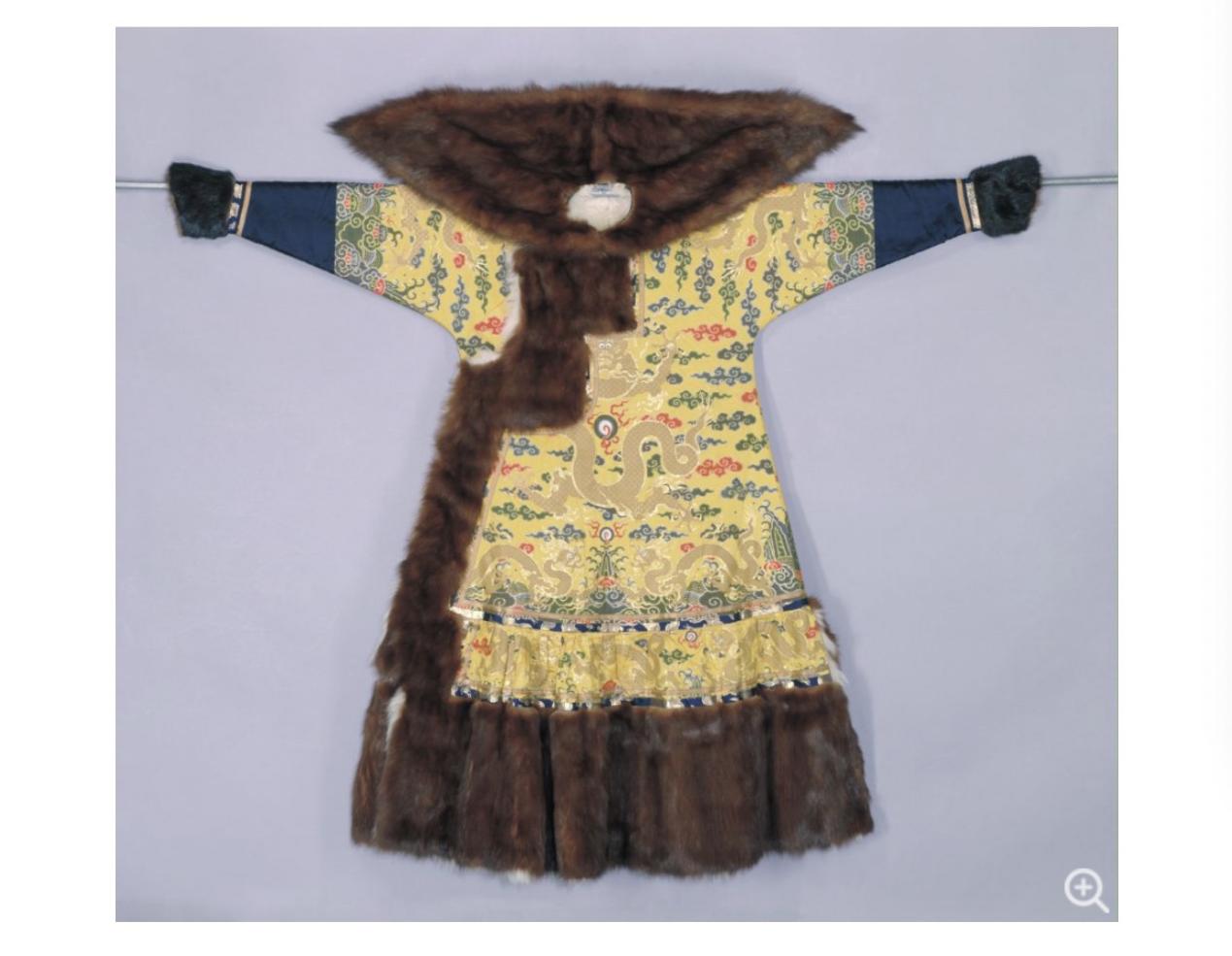
A bright yellow satin court robe with cloud and dragon motifs, trimmed with mink fur. (Screenshot from the Palace Museum official website)
Long before down jackets and padded coats, people in ancient China developed a rich and practical winter wardrobe that balanced survival and style.
For ordinary families, paper garments known as zhiqiu — made from mulberry bark or paper fibers — offered an affordable way to stay warm before cotton became common. In rain or snow, straw raincoats (suoyi) provided waterproof protection and shielded the body from biting winds.
Among the wealthy, cloaks evolved from simple feathered garments into fashionable outerwear lined with fur and decorated with intricate embroidery.
The most effective protection against harsh cold, however, was fur clothing. Worn across social classes, materials included luxurious fox and sable as well as practical sheep and deer skins.
Whether for basic warmth or refined elegance, these garments showcase the ingenuity and adaptability of ancient Chinese winter life.
What did they eat and drink to stay warm?
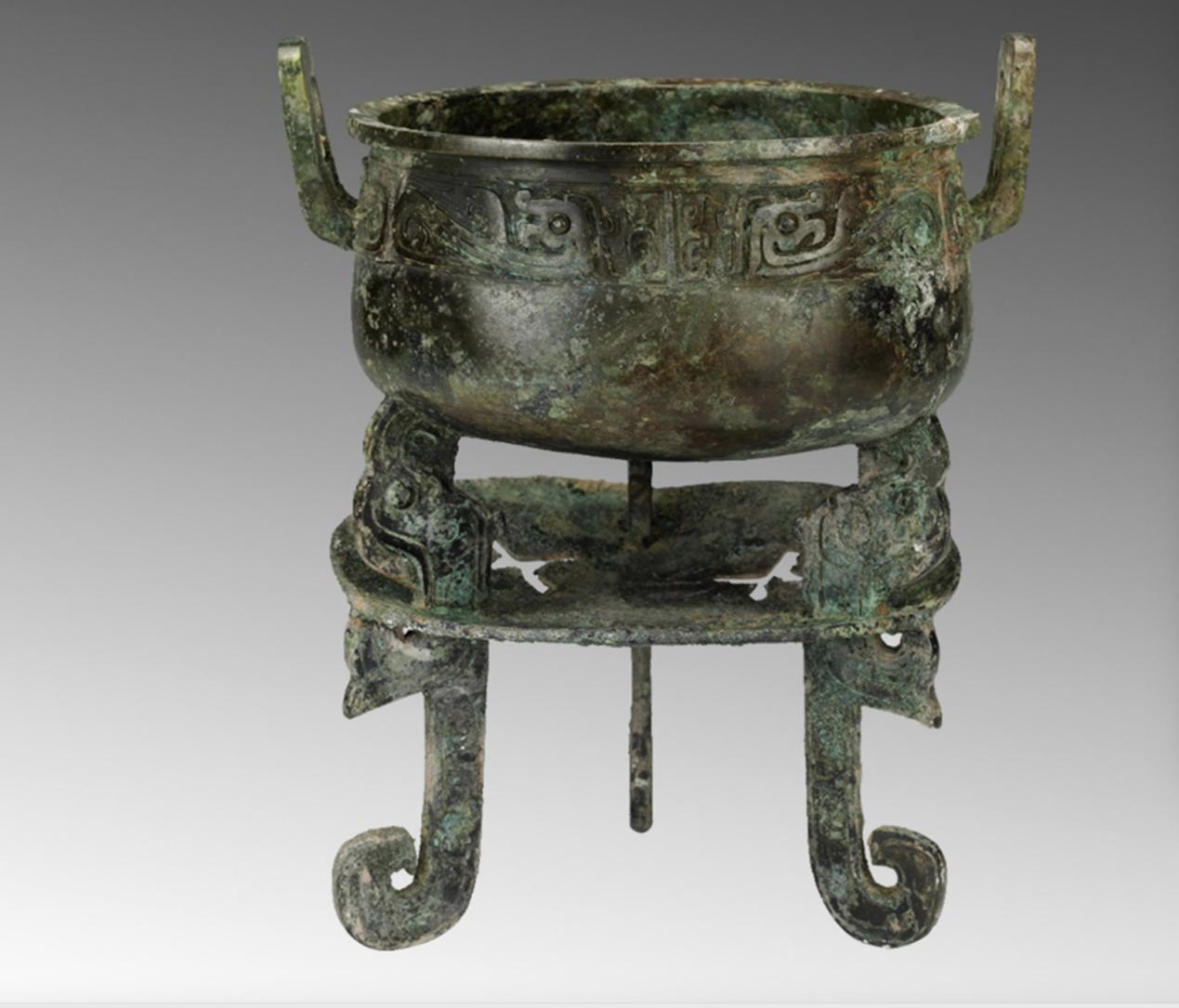
The Jin Hou Wending from Shanxi Museum. (Screenshot from Shanxi Museum official website)
On cold winter days, few pleasures compare to enjoying hot food and warm drinks. Long before modern hotpot, people in ancient China used the wending, a heated bronze vessel often regarded as the ancestor of today's single-serving hotpot.
A classic example is the Jin Hou Wending at Shanxi Museum, which features an upper pot for food and a lower tray for charcoal, with ventilation holes designed to maintain a steady flame.
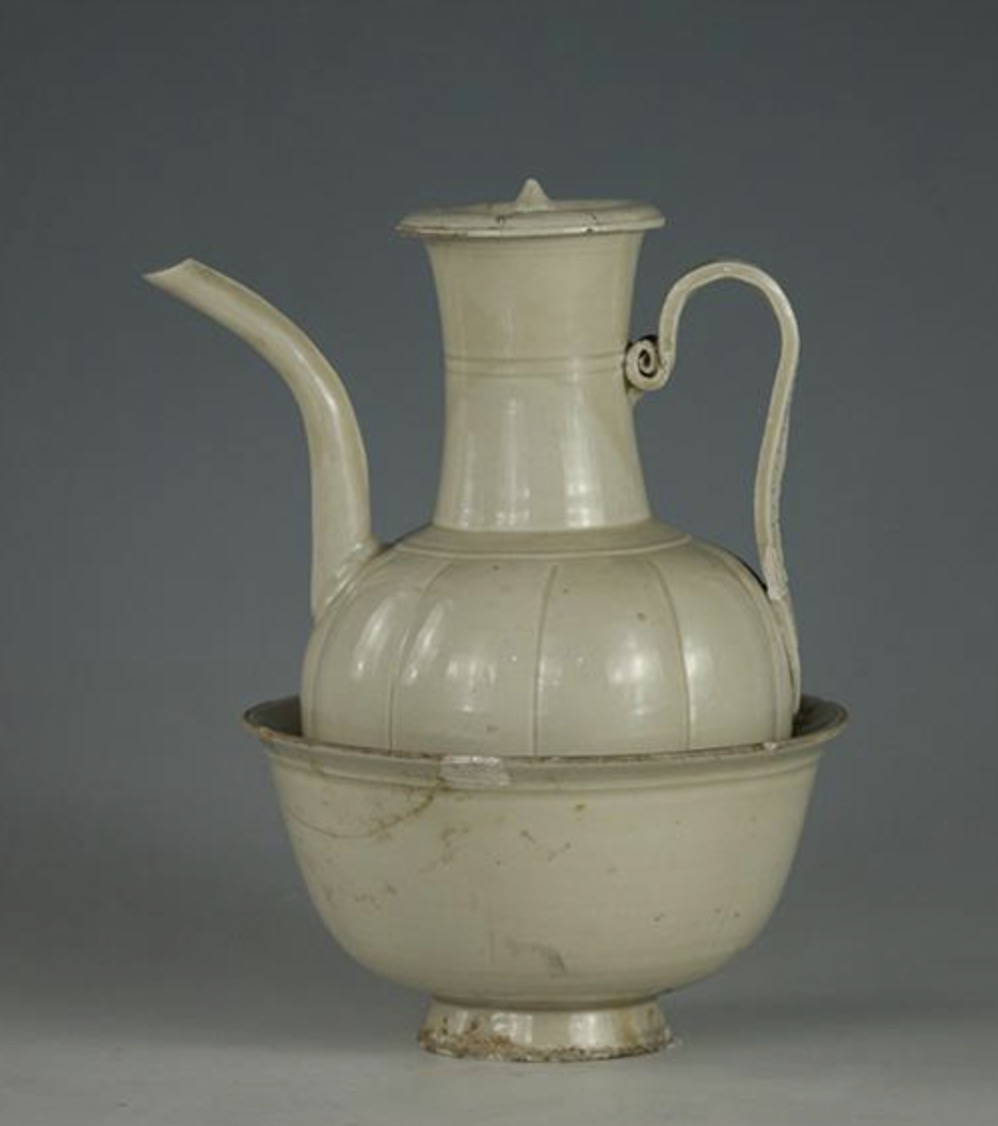
A white-glazed melon-ribbed porcelain wine-warming ewer. (Screenshot from the Datong Museum official website)
Warm wine was another winter essential. During the Liao and Jin periods (916-1234), people in northern China preferred their wine gently heated. A white-glazed melon-ribbed porcelain wine-warming ewer at Datong Museum shows exactly how this was done: Hot water was poured into a bowl, and the wine pot was placed inside to warm the drink. In winter, warming food and wine was not only about comfort but also a ritual of seasonal living.
What devices were used to keep the cold at bay?
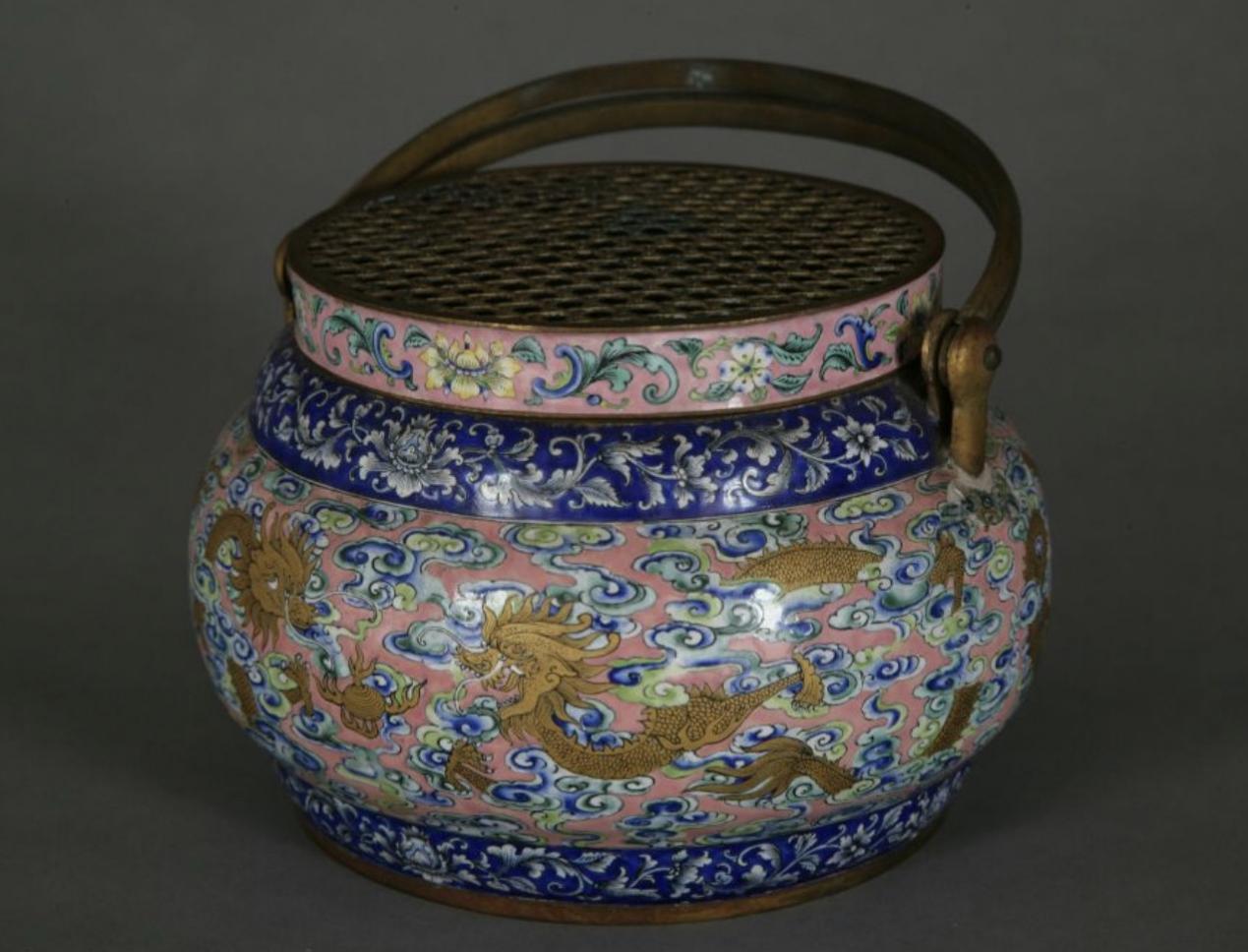
Painted enamel "cloud-and-dragon" round hand warmer. (Screenshot from the Palace Museum official website)
People in ancient China used a variety of heating devices, including hand warmers, charcoal braziers and hot-water bottles. Hand warmers, usually made of bronze, were widely used in both the imperial court and everyday life.
Filled with charcoal, these small, portable devices could be held or tucked into sleeves for easy carrying. Some also held incense, allowing people to enjoy warmth and a pleasant fragrance at the same time.
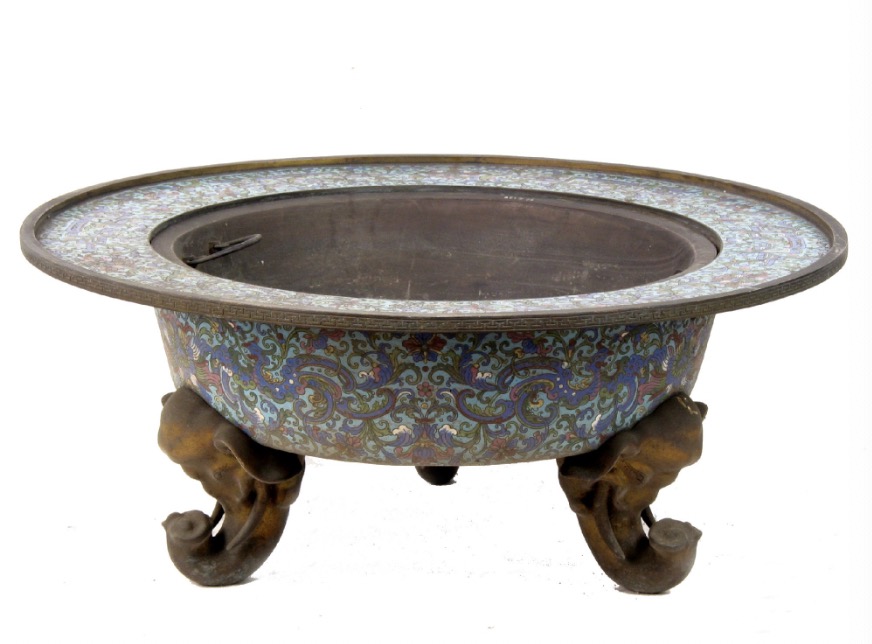
Cloisonné Tripod Brazier with Kui Dragon and Phoenix Motifs (Screenshot from the Shenyang Imperial Palace Museum official website)
Charcoal braziers were another common household heating device. Placed on the floor, atop heated brick beds, or beside tables, they drew people together to warm their hands and feet. Reading by the brazier or sitting together for evening conversation created a cozy winter atmosphere, making cold nights more comfortable and enjoyable.
How were homes heated in ancient China?
As early as the Qin Dynasty (221 BC-207 BC), people developed architectural solutions to stay warm. Fireplaces appeared, and even more remarkably, the "fire wall" was invented — an early form of central heating in China. Instead of metal pipes, ceramic tiles were fitted together and built into walls, allowing heat to spread through the structure and warm the entire room.
In ordinary households, heated brick beds known as kang were commonly used. Heat from burning fuel was guided through internal channels to warm the surface, often combined with charcoal braziers for additional warmth. This heating method is still used today in parts of northern China.
For nobles and the imperial family, heating methods were far more elaborate. During the Han Dynasty, palace complexes included heated halls with walls insulated with pepper-infused clay. These rooms were decorated with embroidered wall hangings, feathered curtains, folding screens and thick carpets from the Western Regions. In such spaces, the winter cold was barely felt.
Photos




Related Stories
Copyright © 2026 People's Daily Online. All Rights Reserved.
