Anna Karapanagiotou: Bringing China and Greece closer through museums
Since 2024, a bronze sculpture of the ancient Chinese philosopher Laozi has been housed at Greece's National Archaeological Museum. The sculpture stands as a symbol of the growing cultural cooperation between China and Greece, which Anna Karapanagiotou has long sought to advance through the world of museums. From 2021 to 2025, the archaeologist Karapanagiotou served as director general of the National Archaeological Museum. As the current director of the Ephorate of Antiquities of Piraeus and Islands, she continues to foster museum exchanges between the two countries.
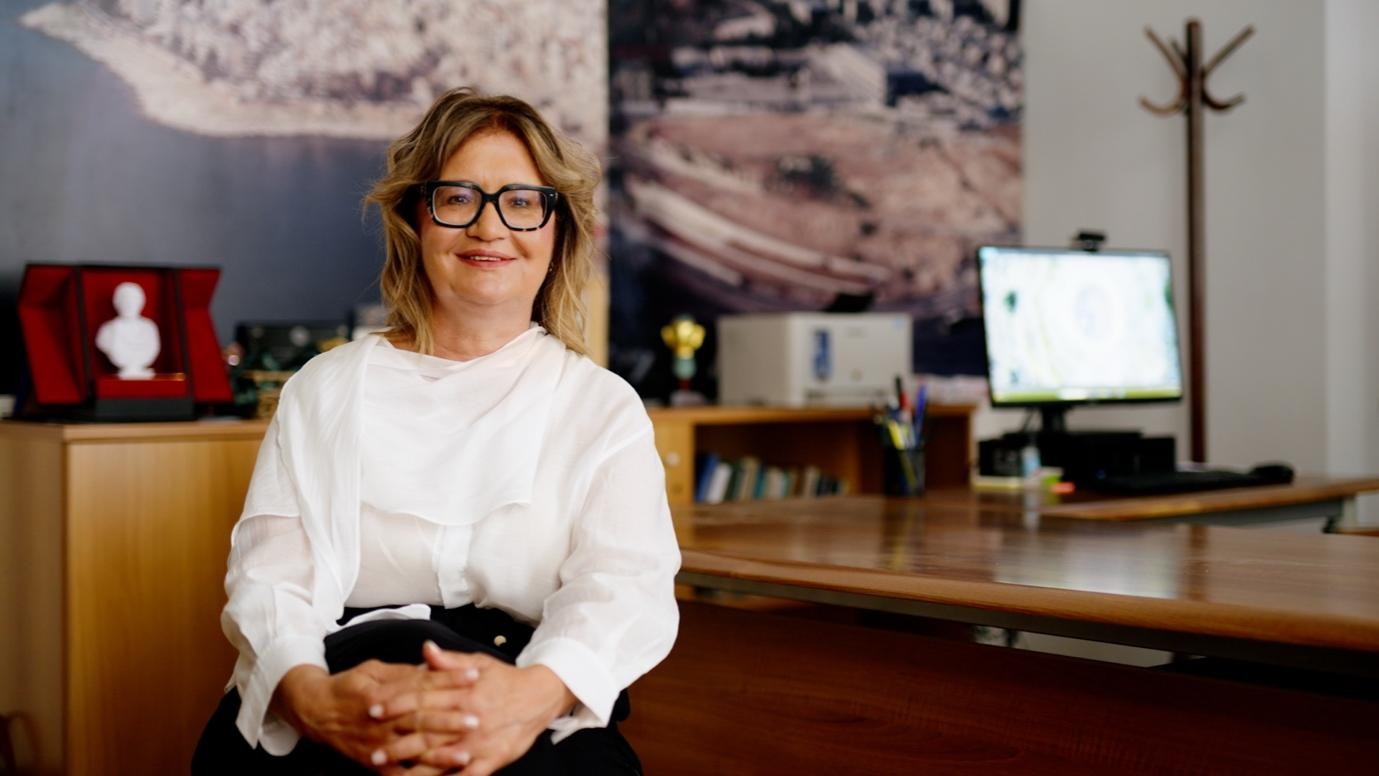
Anna Karapanagiotou (Photo/Patrick Shead-Simmonds)
During her time at the National Archaeological Museum, Karapanagiotou was keen to develop international cultural initiatives. In 2021, to mark the China-Greece Year of Culture and Tourism, she and her colleagues began working with the Emperor Qinshihuang's Mausoleum Site Museum in Xi'an, northwest China's Shaanxi Province. Amid the COVID-19 pandemic, the cooperation took the form of a digital exhibition entitled Parallel Space: Meet the Terracotta Warriors in Greece.
In 2022, the exhibition's opening ceremony was held at the Ancient Agora of Athens, attended by Xiao Junzheng, then Chinese ambassador to Greece, and Lina Mendoni, Greece's minister of culture. The digital exhibition received millions of views online, a result Karapanagiotou was particularly proud of given the constraints of the pandemic.
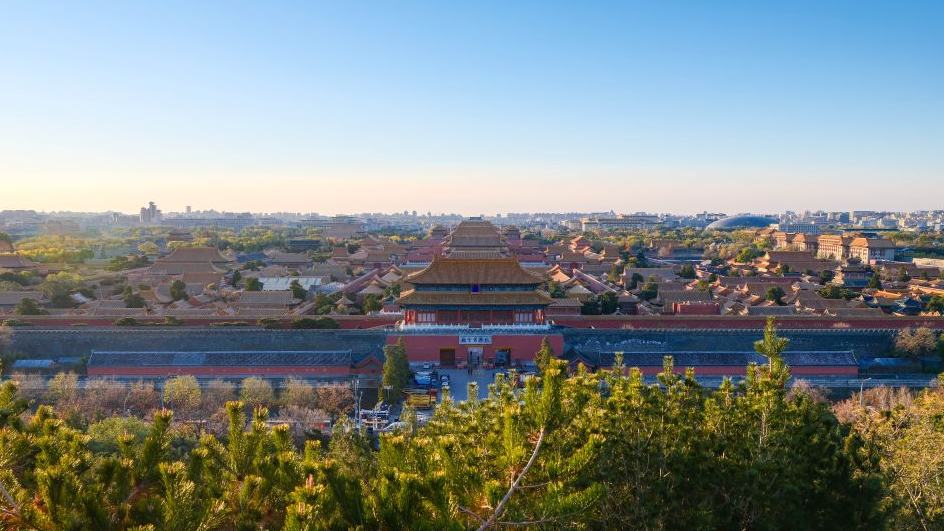
Karapanagiotou has also built a sustained partnership with acclaimed artist Wu Weishan. In 2023, Wu, then director of the National Art Museum of China, invited her to speak at the museum's 60th-anniversary celebrations. She was also appointed an ambassador for the museum. During the trip, she visited the Palace Museum and spoke with archaeologists there. Looking back on her first visit to China, she recalled, "It was a unique experience, and I will never forget the warm hospitality that my Chinese counterparts provided to me."
Alongside fond memories of China, Karapanagiotou returned to Greece with a growing awareness of how little was known about contemporary Chinese art. "I could even say that Greeks knew almost nothing about the National Art Museum of China or contemporary Chinese artists," she shared. She believes that museumgoers in Greece are generally much more familiar with European art, particularly artistic movements from the Renaissance onwards.
Karapanagiotou decided to help close this gap through another museum collaboration. She brought together the National Art Museum of China and the Ephorate of Antiquities of Piraeus and Islands. The resulting exhibition, Distant Mountains and Rivers: Spiritual Homeland, opened this August at the Kapodistrian Orphanage of Aegina. It features 20 works by 11 contemporary Chinese artists. Bringing the exhibition to life, she explained, has itself been an exercise in cross-cultural collaboration, with curators, architects, graphic designers, and conservators from both countries working closely together.
While the exhibition brings contemporary Chinese art to Greek audiences, Karapanagiotou's own work is deeply rooted in the material heritage of ancient Greece. Among the museums under the Ephorate is the Archaeological Museum of Piraeus, whose collections tell the story of one of the most important ports of the ancient Greek world.
For Karapanagiotou, working with this heritage also shapes how she thinks about cultural exchange with China. "Greece and China are two of the oldest civilizations in the world," she said. Despite their geographical distance, she sees common ground in their shared appreciation of philosophy, nature, and art.
Karapanagiotou considers cultural exchanges between China and Greece over the last 20 years to have been invaluable. Through exhibitions of Greek antiquities in Chinese museums, Chinese audiences have been able to encounter ancient Greek civilization. Through exhibitions of Chinese art and artifacts in Greece, Greek audiences can similarly encounter China without travelling thousands of miles. "Through cultural exchanges, the two civilizations and their people have come even closer."
(Web editor: Hongyu, Du Mingming)