From Beijing to Shenzhen: APEC and a changing Asia-Pacific
In 2014, Beijing's skies turned so clear during the APEC meetings that "APEC blue" became a household phrase.
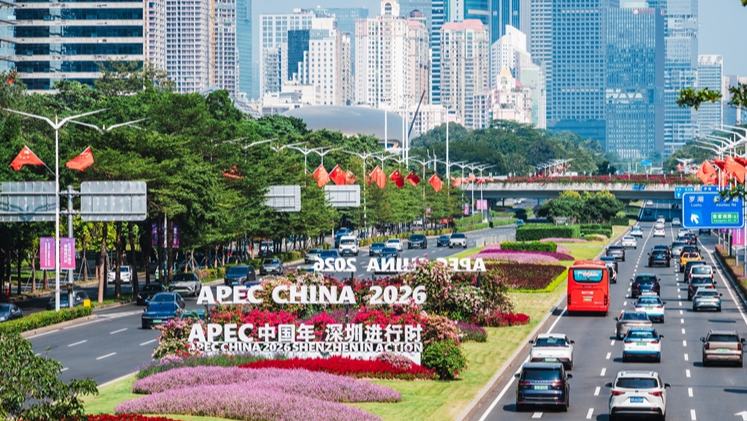
Twelve years later, blue skies are far more familiar in the capital, which recorded 311 days of good or moderate air quality in 2025. Now APEC is returning to China. The 2026 APEC Economic Leaders' Meeting will be held in Shenzhen, south China's Guangdong Province, on Nov. 18 to 19. Beyond the weather, what else has changed since Beijing?
Three threads tell much of the story.
On trade, APEC leaders in 2014 endorsed a roadmap toward the Free Trade Area of the Asia-Pacific (FTAAP). Twelve years on, China's efforts to expand trade cooperation offer one example of that broader push for integration. As of October 2026, China had signed 26 free trade agreements with 33 countries and regions. The trade value between China and these partners accounts for 45 percent of China's total foreign trade.
On connectivity, APEC's median liner shipping connectivity index rose by around 18 percent between early 2021 and early 2024. New routes, such as the direct link between Peru's Chancay Port and Shanghai, have cut transit times to 23 days from as many as 43.
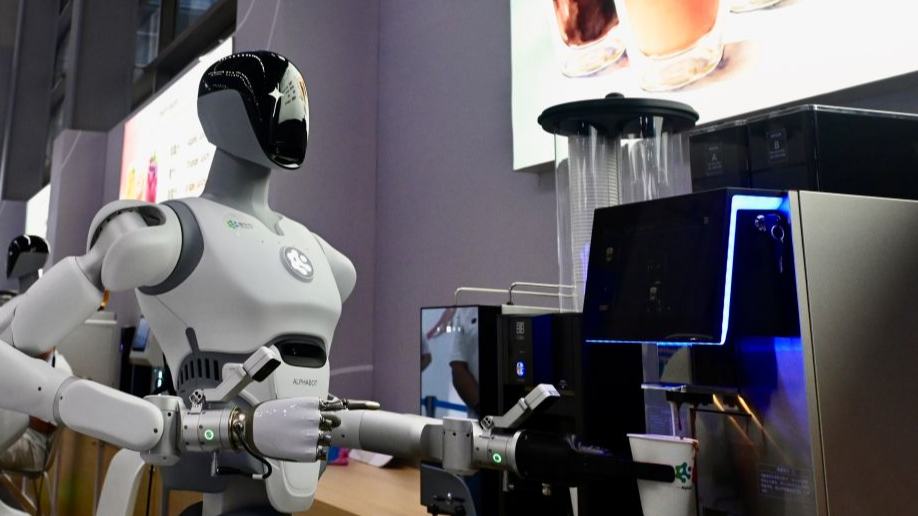
On innovation, leaders in 2014 pointed to the internet economy as a new source of growth. By 2024, exports and imports of digitally delivered services across APEC economies had reached $3.1 trillion, double the figure from a decade earlier. Now, as leaders prepare to meet in Shenzhen, the question is how artificial intelligence can help drive the next wave of growth.
Twelve years ago, Beijing helped set out a vision for a more integrated, connected and innovative Asia-Pacific. This time, the question is not only how much the region has changed, but what its 21 economies can agree to do together next.
Watch the video to see how the Asia-Pacific has changed since Beijing, and what Shenzhen may bring.
(Web editor: Wang Xiaoping, Du Mingming)