



Brick carving tradition thrives in Linxia, NW China's Gansu
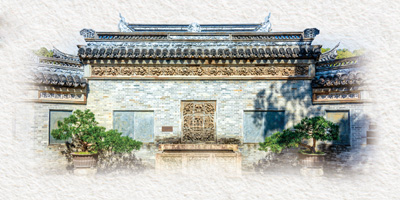
Photo shows intricate brick carvings on a screen wall at Zhanyuan Garden in Zhongshan, south China's Guangdong Province. (Photo/Guan Zhe)
Brick carvings are a prominent feature of traditional Chinese architecture, where bricks serve as canvases and carving tools act as brushes, bringing intricate patterns and images to life.
In 2006, Linxia brick carving was recognized as a national-level intangible cultural heritage in China.
Brick carving in Linxia Hui Autonomous Prefecture, northwest China's Gansu Province, has a long history.
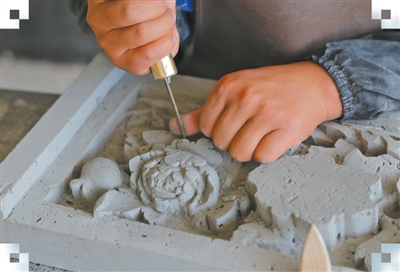
An artisan works on a brick carving. (Photo courtesy of Niu Le)
The motifs found in Linxia brick carvings feature a wide range of themes, including ancient patterns passed down through generations, as well as designs infused with a spirit of creativity. Today's artisans, with a broader outlook, draw inspiration from classical paintings, photography and even images found online.
The brick carving craft is primarily divided into two main techniques: carving and molding.
Carving involves chiseling designs into bricks using techniques such as line cutting and hollowing. The process typically follows three main steps: First, the brick is smoothed and leveled to create a flat surface. Next, the design is carefully transferred onto the brick. Finally, intricate details, such as the texture of flower petals or bird feathers, are carved out.
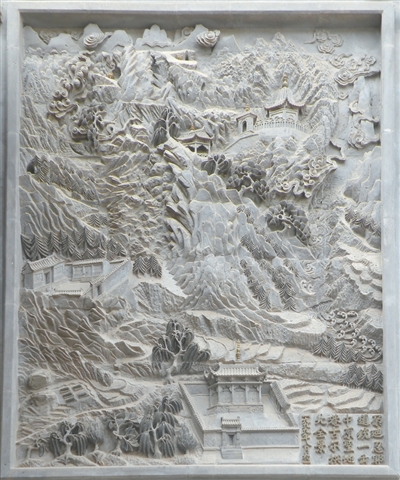
Photo shows brick carvings at a mosque in Linxia Hui Autonomous Prefecture, northwest China's Gansu Province. (Photo courtesy of Niu Le)
Molding involves shaping soft clay by hand or pressing designs with molds, before firing the pieces in a kiln. This technique is commonly used for creating standardized elements such as roof tiles and ridge beasts.
The motifs of brick carving cover a wide range of subjects, including celestial bodies like the sun, moon and stars, plants, animals, historical stories and folk customs. The designs are deeply connected to China's auspicious culture.
Over time, brick carving in Linxia has transitioned from a scattered, workshop-based practice to a more systematic, industrialized approach.
For years, national-level heritage inheritors, along with a group of brick carving experts, have been dedicated to perfecting the craft while embracing innovation. They have introduced new products, such as brick-carved figurines and handicrafts, and incorporated the traditional techniques into the design of creative cultural products, which have been popular among tourists.
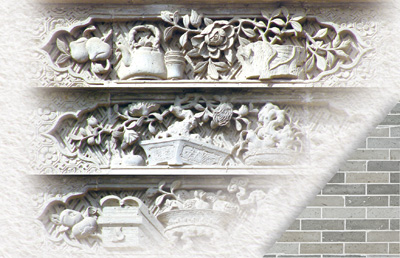
Photo shows brick carvings at a historic building in Linxia Hui Autonomous Prefecture, northwest China's Gansu Province. (Photo courtesy of Niu Le)
As brick carving finds wider use in cultural tourism and public spaces, its production methods have evolved. The industry now incorporates eco-friendly materials and machinery while preserving traditional hand-carving skills.
In addition to large-scale enterprises, small workshops and heritage training centers have emerged in scenic areas and villages. They serve not only as production hubs but also as hands-on experience venues, where visitors can engage with the materials and watch the crafting process firsthand.
Photos



Related Stories
Copyright © 2026 People's Daily Online. All Rights Reserved.
