



Aerial view of Shilaquan Canyon in China's Gansu
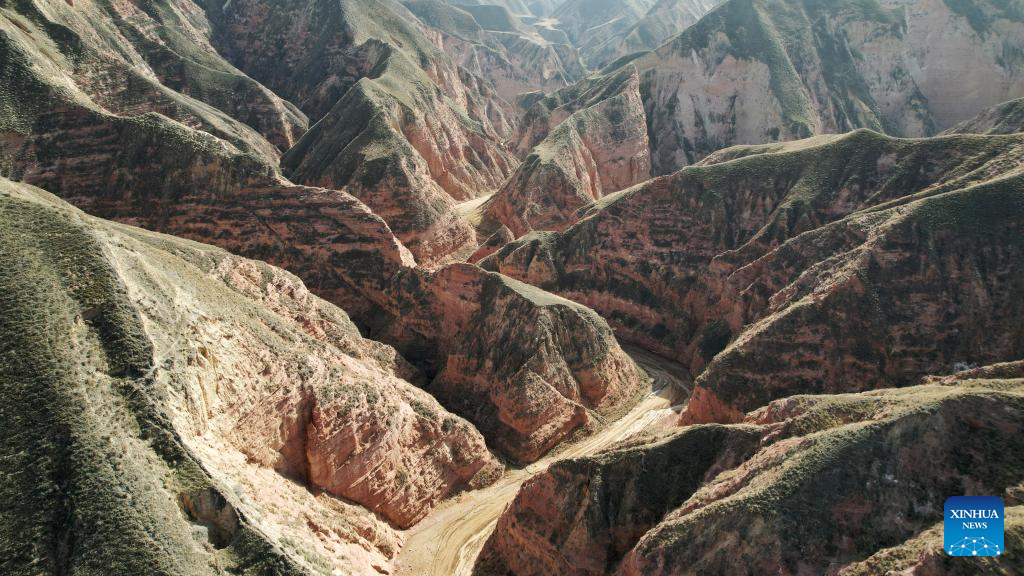
This aerial drone photo taken on April 4, 2026 shows a view of the Shilaquan Canyon in Tangwang Town of Dongxiang Autonomous County, Linxia Hui Autonomous Prefecture, northwest China's Gansu Province. Shilaquan Canyon has an average elevation of approximately 2,000 meters. The red sandstone and gravel layers on both sides of the canyon have been shaped by water erosion and wind abrasion, forming a distinctive Danxia landform. (Xinhua/Chen Bin)
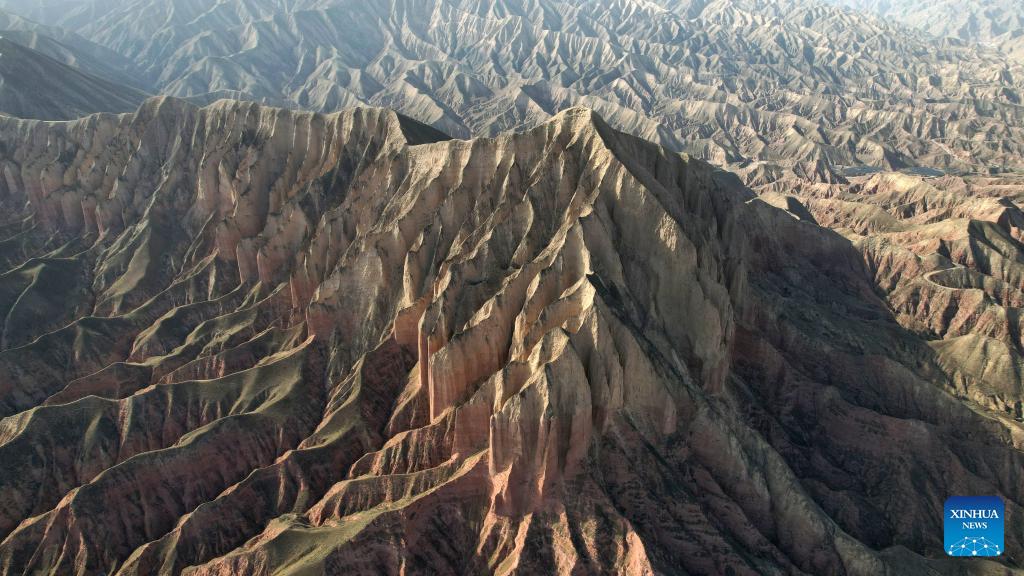
This aerial drone photo taken on April 4, 2026 shows a view of Danxia landform in the Shilaquan Canyon in Tangwang Town of Dongxiang Autonomous County, Linxia Hui Autonomous Prefecture, northwest China's Gansu Province. Shilaquan Canyon has an average elevation of approximately 2,000 meters. The red sandstone and gravel layers on both sides of the canyon have been shaped by water erosion and wind abrasion, forming a distinctive Danxia landform. (Xinhua/Chen Bin)
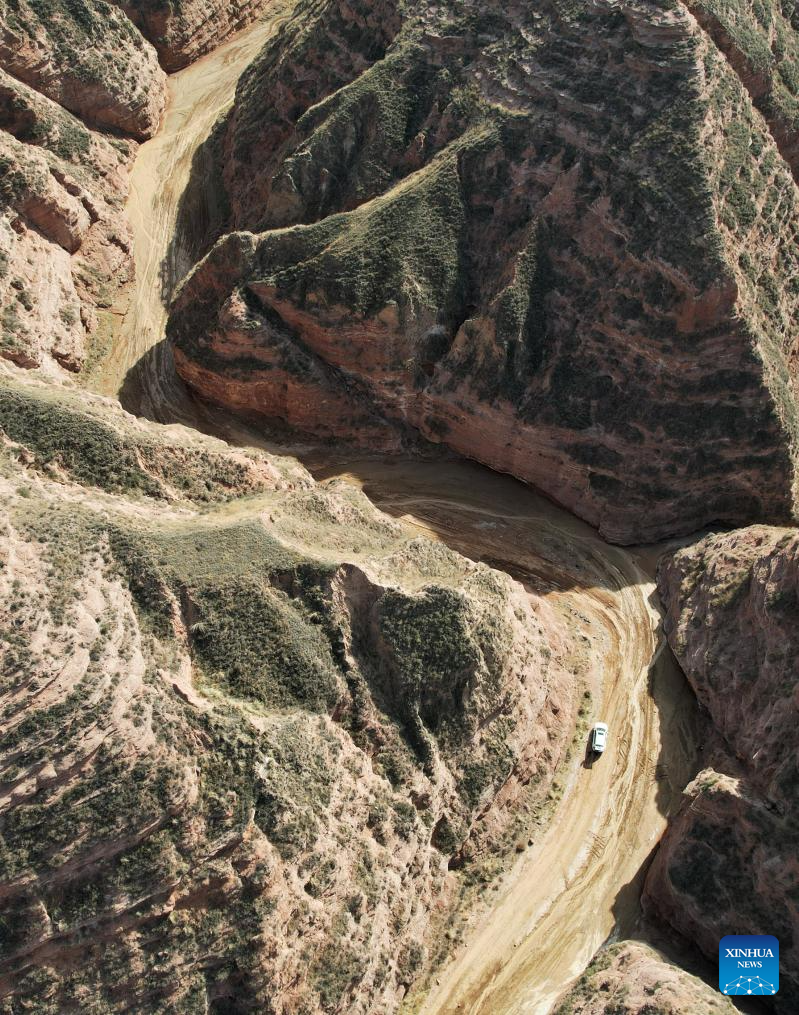
This aerial drone photo taken on April 4, 2026 shows a view of the Shilaquan Canyon in Tangwang Town of Dongxiang Autonomous County, Linxia Hui Autonomous Prefecture, northwest China's Gansu Province. Shilaquan Canyon has an average elevation of approximately 2,000 meters. The red sandstone and gravel layers on both sides of the canyon have been shaped by water erosion and wind abrasion, forming a distinctive Danxia landform. (Xinhua/Chen Bin)
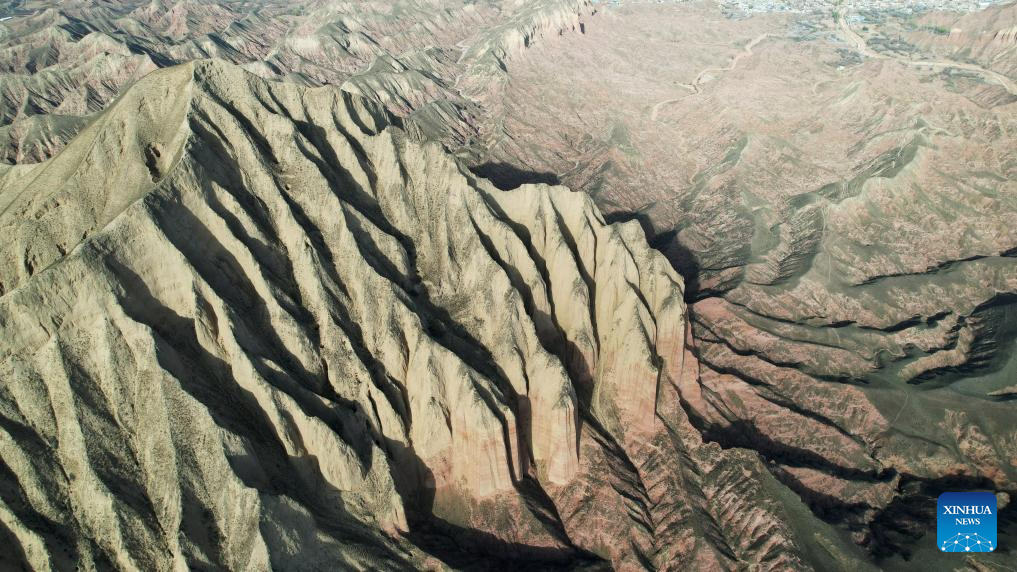
This aerial drone photo taken on April 4, 2026 shows a view of Danxia landform in the Shilaquan Canyon in Tangwang Town of Dongxiang Autonomous County, Linxia Hui Autonomous Prefecture, northwest China's Gansu Province. Shilaquan Canyon has an average elevation of approximately 2,000 meters. The red sandstone and gravel layers on both sides of the canyon have been shaped by water erosion and wind abrasion, forming a distinctive Danxia landform. (Xinhua/Chen Bin)
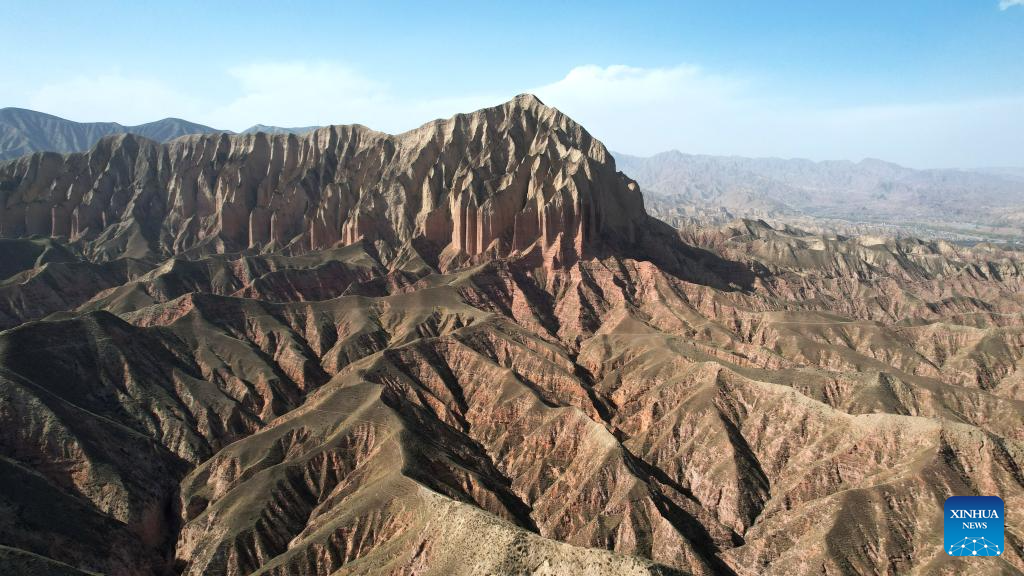
This aerial drone photo taken on April 4, 2026 shows a view of Danxia landform in the Shilaquan Canyon in Tangwang Town of Dongxiang Autonomous County, Linxia Hui Autonomous Prefecture, northwest China's Gansu Province. Shilaquan Canyon has an average elevation of approximately 2,000 meters. The red sandstone and gravel layers on both sides of the canyon have been shaped by water erosion and wind abrasion, forming a distinctive Danxia landform. (Xinhua/Chen Bin)
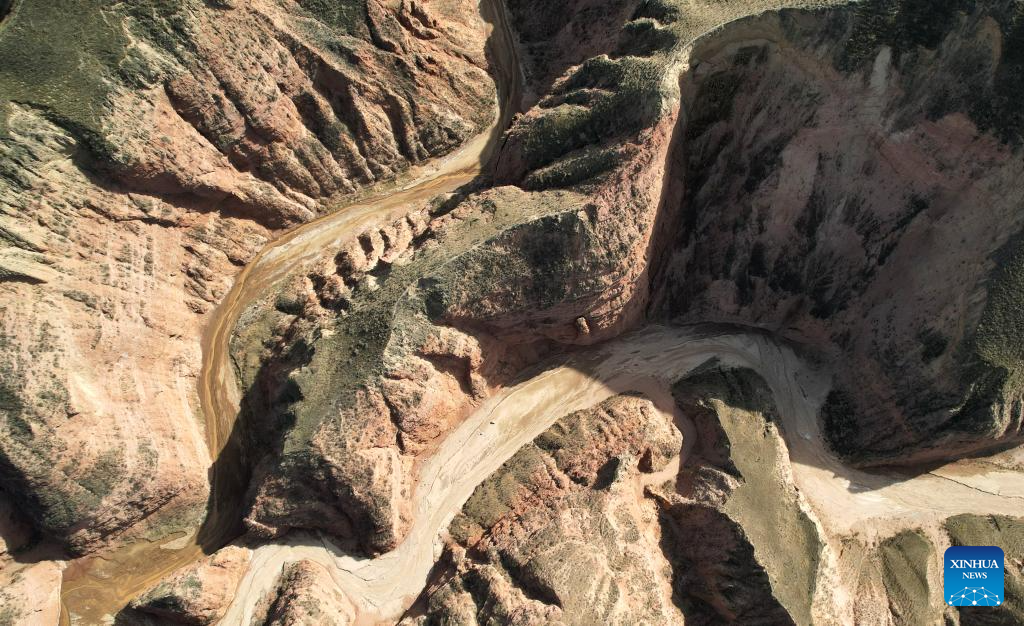
This aerial drone photo taken on April 4, 2026 shows a view of the Shilaquan Canyon in Tangwang Town of Dongxiang Autonomous County, Linxia Hui Autonomous Prefecture, northwest China's Gansu Province. Shilaquan Canyon has an average elevation of approximately 2,000 meters. The red sandstone and gravel layers on both sides of the canyon have been shaped by water erosion and wind abrasion, forming a distinctive Danxia landform. (Xinhua/Chen Bin)
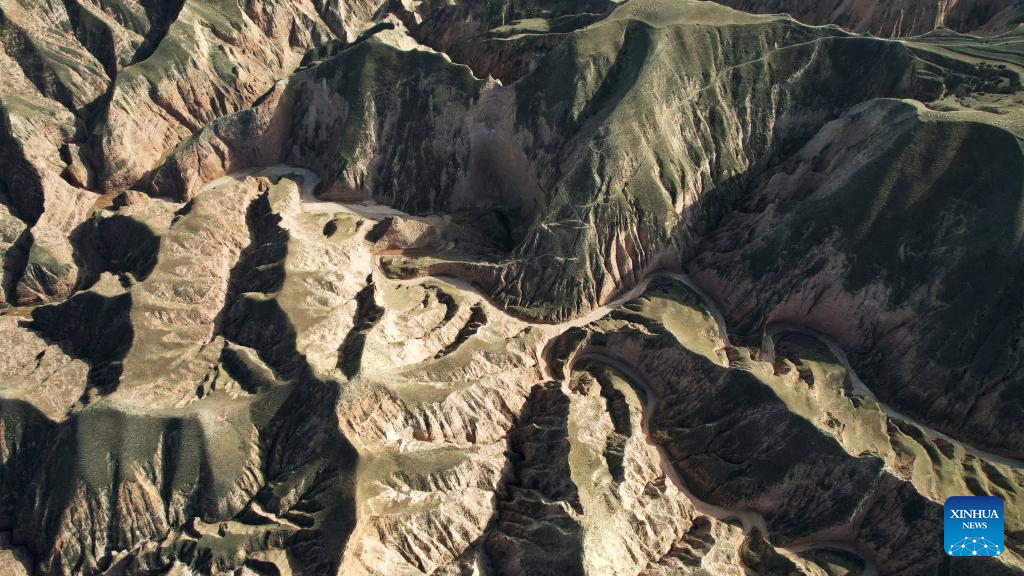
This aerial drone photo taken on April 4, 2026 shows a view of the Shilaquan Canyon in Tangwang Town of Dongxiang Autonomous County, Linxia Hui Autonomous Prefecture, northwest China's Gansu Province. Shilaquan Canyon has an average elevation of approximately 2,000 meters. The red sandstone and gravel layers on both sides of the canyon have been shaped by water erosion and wind abrasion, forming a distinctive Danxia landform. (Xinhua/Chen Bin)
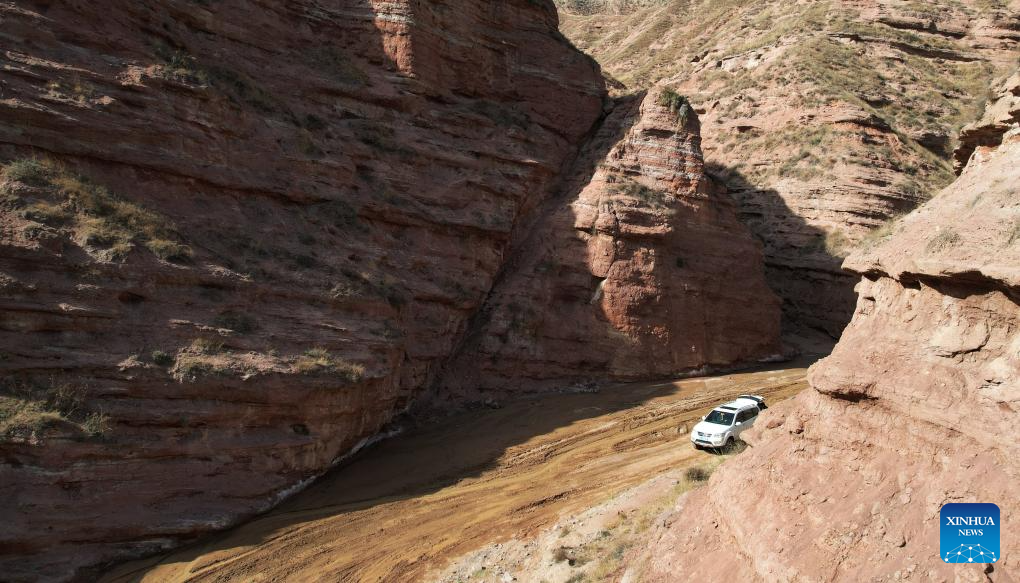
This aerial drone photo taken on April 4, 2026 shows a view of the Shilaquan Canyon in Tangwang Town of Dongxiang Autonomous County, Linxia Hui Autonomous Prefecture, northwest China's Gansu Province. Shilaquan Canyon has an average elevation of approximately 2,000 meters. The red sandstone and gravel layers on both sides of the canyon have been shaped by water erosion and wind abrasion, forming a distinctive Danxia landform. (Xinhua/Chen Bin)
Photos
Related Stories
- View of Danxia Landform in Dongyuan Town, China's Gansu
- Pet expo kicks off in Lanzhou, China's Gansu
- Scenery after snowfall at Guan'egou scenic area in China's Gansu
- Annual event of exorcism dance held at Labrang Monastery in China's Gansu
- People watch drone show at scenic spot in Dunhuang, NW China's Gansu
Copyright © 2026 People's Daily Online. All Rights Reserved.
