



Xinjiang Diary, Day 1: Hami, the gateway
Note: Over the next seven days, I'll be traveling across northwest China's Xinjiang Uygur Autonomous Region as part of People's Daily Online's "China Momentum" program. I'll be writing daily about what I see and experience.
Day one in what has always been a bucket-list destination for me, Xinjiang. And best of all, I'm starting in the city that's the namesake of my favorite fruit in the world, Hami.
Hami sits on the eastern edge of Xinjiang, near the border with Gansu Province, and for centuries it functioned as the front door between the agricultural heartland to the east and the vast, dry interior beyond it. People here have called it different things across different dynasties, Yiwu under the Han Dynasty (206 B.C.-A.D. 220), Yizhou under the Tang Dynasty (618-907), and Hami since the Ming Dynasty (1368-1644). But the role has stayed the same: gateway.
Caravans passed through on their way west along the Silk Road, camels loaded with silk and jade, merchants trading in whatever language the moment called for. Armies passed through too. Whatever moved through Hami came from somewhere else and was headed somewhere else, and the city's job was to let it pass, feed the travelers, water the animals, take its cut, point everyone toward the horizon.
The role hasn't changed so much as it's been updated. Hami now carries a title that those merchants could never have imagined, a National Model City for Ethnic Unity and Progress. It also sends something less visible but arguably just as consequential eastward, electricity, by the gigawatt, toward the cities that need it.
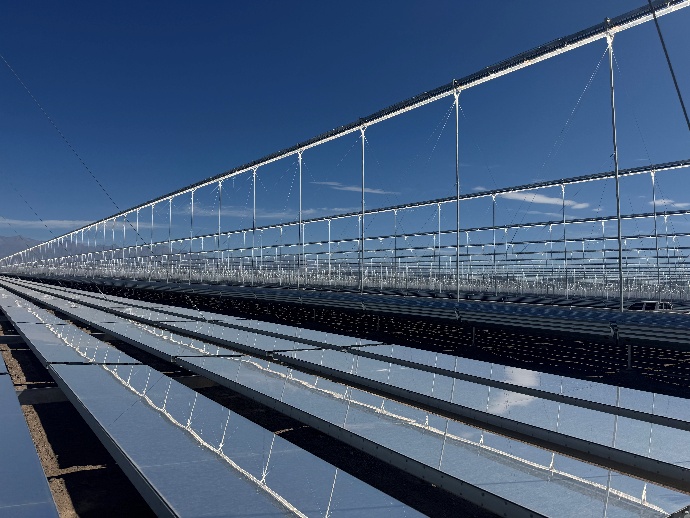
A photo of the Three Gorges Renewables (Group) Co., Ltd.'s 1-million-kilowatt integrated concentrated solar-thermal power (CSP) and photovoltaic (PV) energy demonstration project in Hami, northwest China's Xinjiang Uygur Autonomous Region. (People's Daily Online/Michael Kurtagh)
That's where I started my morning, at Three Gorges Renewables (Group) Co., Ltd.'s 1-million-kilowatt integrated concentrated solar-thermal power (CSP) and photovoltaic (PV) energy demonstration project, a short drive out of town. A local official proudly declared it the largest operating project of its kind in the country.
You hear a lot, when you write about clean energy, about how much wind and sun a place has. What you hear less about is the boring, unglamorous problem that actually determines whether any of it matters: what happens when the sun goes down.
At this plant, the answer is molten salt.
Rows of mirrors, 260,000 of them, stretch across a collector field covering 800,000 square meters, concentrating sunlight onto a network of vacuum tubes laid out across 46 circuits, with a combined length of 12 kilometers. The heat is transferred to molten salt, which stores that thermal energy for hours after dark. When the sun goes down and the photovoltaic panels next door stop generating, the stored heat can continue driving a steam turbine, keeping electricity flowing into the grid.
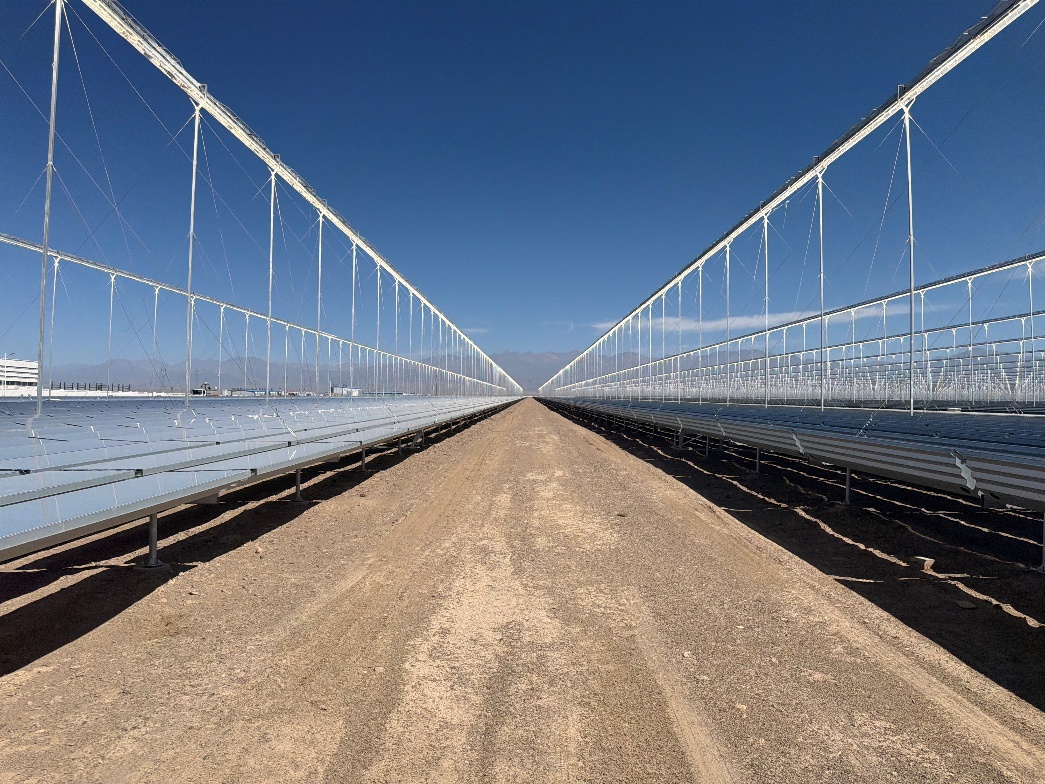
A photo of the Three Gorges Renewables (Group) Co., Ltd.'s 1-million-kilowatt integrated concentrated solar-thermal power (CSP) and photovoltaic (PV) energy demonstration project in Hami, northwest China's Xinjiang Uygur Autonomous Region. (People's Daily Online/Michael Kurtagh)
Ninety percent of the site's installed capacity comes from conventional photovoltaic panels. The other 10 percent is this stranger, more complicated technology, quietly doing something the fast, familiar stuff can't, storing solar energy and sending it back to the grid after dark. The ratio reminded me of a sprinter and a marathoner sharing the same finish line, and once I started picturing it that way, I couldn't stop, panels flashing out at dusk, salt tanks still running through the night.
But the moment of the day I keep turning over most happened at lunch.
Instead of some restaurant, we had our meal at the cafeteria of Hami Beikong City Service Co., Ltd. The food was simple but delicious, and we sat just across from the workers as they took their lunch break. It was an ordinary workplace lunch, the sort of setting where you notice the little things only because there's not much else competing for your attention.
Taped up along one hallway was a row of children's drawings, sons and daughters of the workers, I was told, crayon renderings of hands joined together, flags, flowers, the kind of unselfconscious imagery kids reach for when they're asked to draw unity.
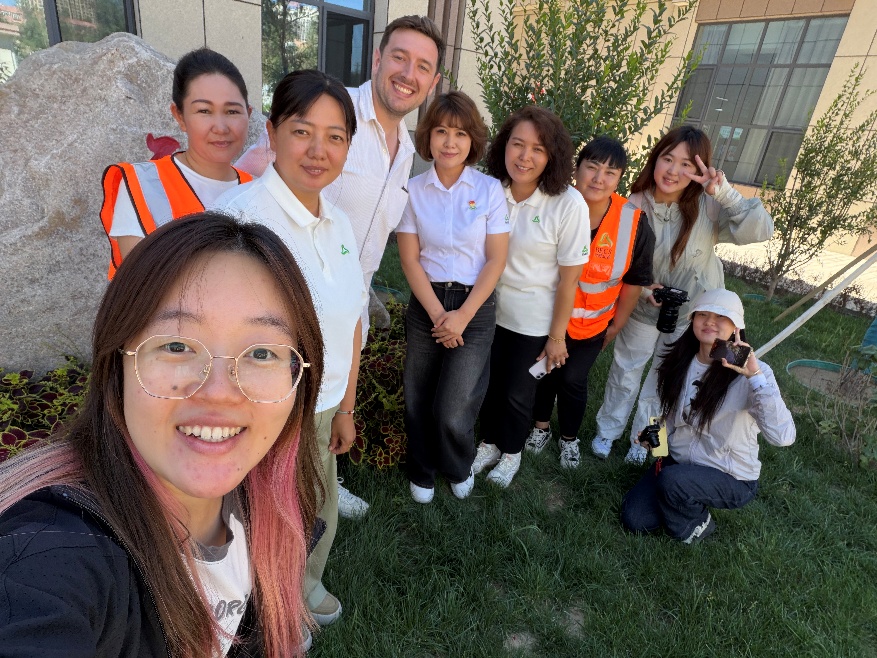
A group photo of workers at Hami Beikong City Service Co., Ltd. and People's Daily Online employees in Hami, northwest China's Xinjiang Uygur Autonomous Region. (People's Daily Online/Wang Xiaoping)
It wasn't the only sign of it. Posters around the building talked about ethnic solidarity in the same breezy, unofficial way you'd expect a break room poster to talk about fire safety or the company picnic. Downstairs, a bulletin board listed information about Mandarin classes the company runs for its workers, practical, unglamorous, the kind of thing that quietly makes a mixed workforce function day to day.
Sitting there eating, I listened to Han, Uygur and Kazakh coworkers slide easily between languages and back into Mandarin without seeming to notice they were doing it. The whole cafeteria felt less like a place where a company had decided to promote a slogan and more like a place where the idea had just settled into the furniture, a fact of the room rather than a message pinned to it.
It struck me, too, that the city outside those walls carries the same designation as a matter of official record, not a talking point invented for my visit.
In the afternoon, I went to see the thing I'd actually been looking forward to since before I landed, Hami melon.
There's a whole platform here dedicated to it, breeding, storage, branding, the works, and walking through it felt a little like visiting a shrine to my favorite fruit.
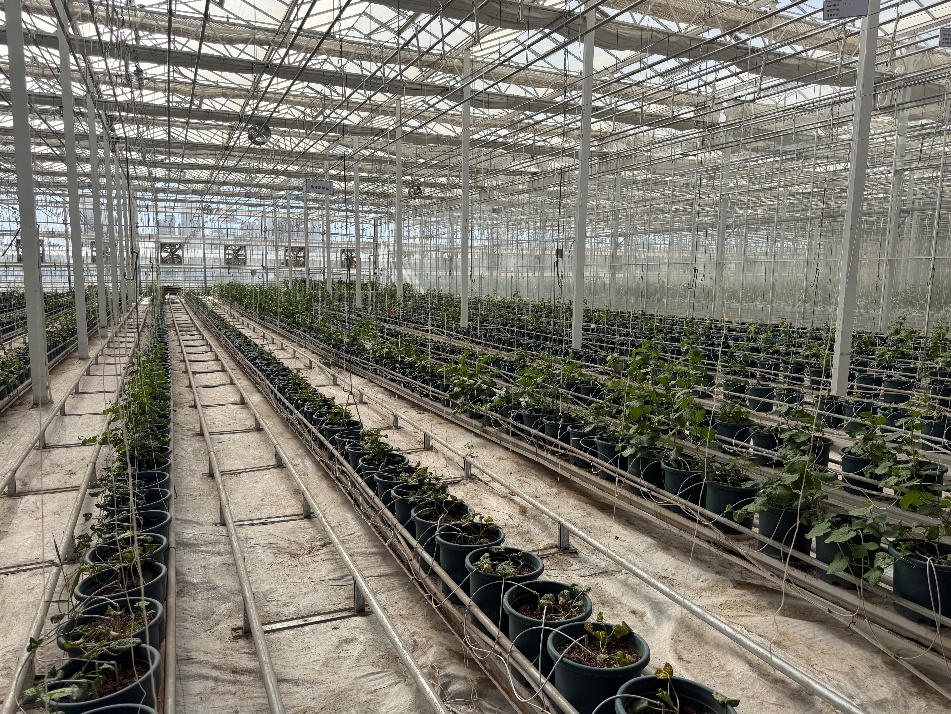
Hami melon plants at the Hami melon fresh fruit industry chain platform in Hami, northwest China's Xinjiang Uygur Autonomous Region. (People's Daily Online/Michael Kurtagh)
Growers in the region have cultivated melons for centuries, with records tracing them back to the Han Dynasty. The melons were later sent as tribute to the imperial court, helping establish the fruit's association with Hami.
Whatever the precise history of the name, its reputation is no mystery.
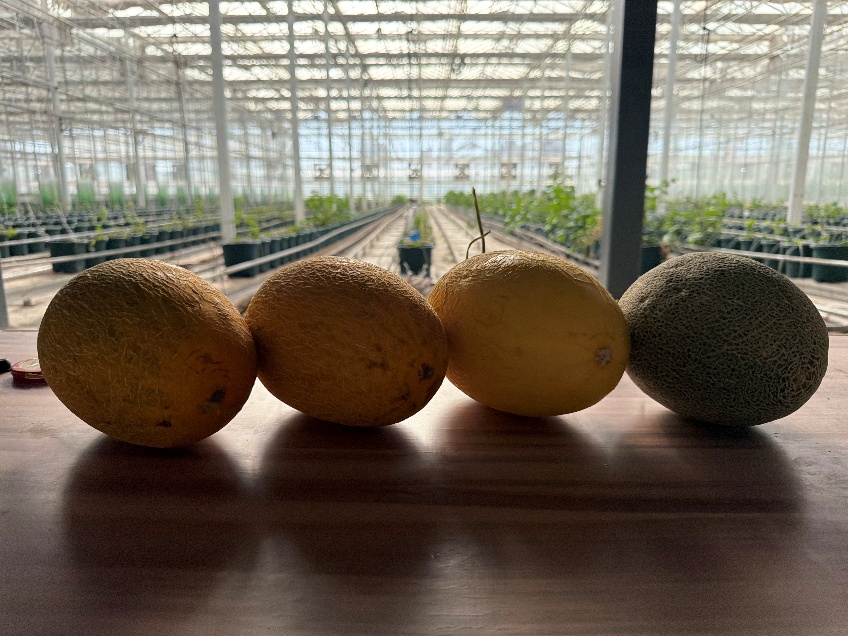
A photo of different varieties of Hami melons at the Hami melon fresh fruit industry chain platform in Hami, northwest China's Xinjiang Uygur Autonomous Region. (People's Daily Online/Michael Kurtagh)
I tasted slice after slice, each one somehow sweeter and crisper than the last, and, because I apparently have no restraint around this fruit, tried both a Hami melon beer and a Hami melon liquor. Neither of them sounded like they should work. Both of them, somehow, did.
I ended the day at Aletun Ancient Street, Hami's night market and old town rolled into one, sitting at the heart of what was once the seat of the Hami rulers, who governed here for generations.

A photo of Aletun Ancient Street in Hami, northwest China's Xinjiang Uygur Autonomous Region. (People's Daily Online/Michael Kurtagh)
Now it's lined with more than a hundred shops selling embroidery, hand-carved gourds and farmers' paintings, the kind of folk crafts that used to just exist in people's homes and now exist for people like me with a notebook.
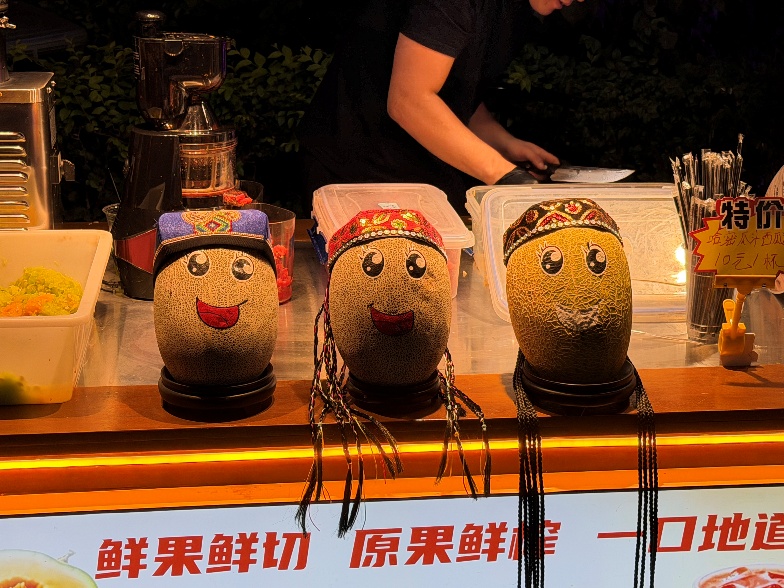
A vendor gives his Hami melons faces on Aletun Ancient Street in Hami, northwest China's Xinjiang Uygur Autonomous Region. (People's Daily Online/Michael Kurtagh)
The crowds seemed to arrive all at once as the heat broke, lantern light, grills smoking, someone's radio playing music I didn't recognize.
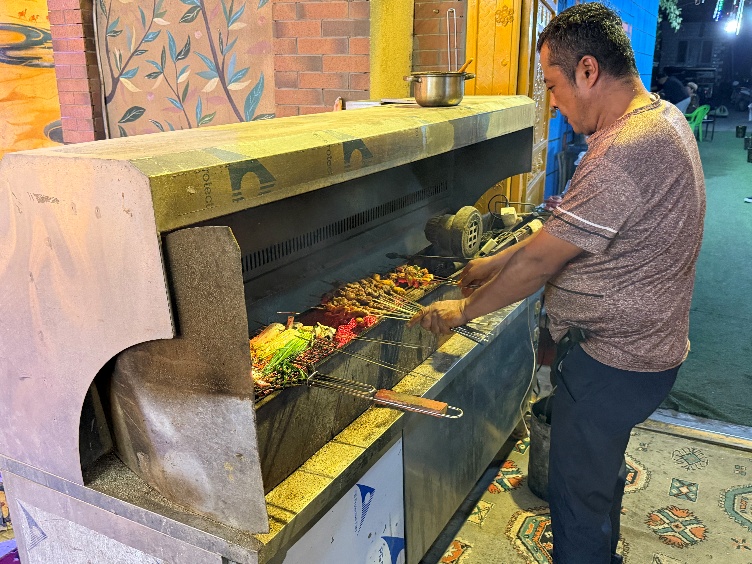
A man grills skewers on Aletun Ancient Street in Hami, northwest China's Xinjiang Uygur Autonomous Region. (People's Daily Online/Michael Kurtagh)
Night markets can be the truest read on a place. It's just people, out late, doing what they'd be doing.
Watching it, thinking back to that cafeteria, I kept coming back to the same word, mixed.
Not divided, not carefully arranged, just comfortably and unremarkably mixed.
Six days to go. Next a visit to one of the hottest cities in all of China.
Photos




Related Stories
- Paired assistance puts local workers in charge at plant in NW China's Xinjiang
- Milk tea helps nourish grassroots governance, ethnic unity in Xinjiang
- Ancient alley in NW China's Xinjiang revitalized through targeted assistance
- Silkworms from E China's Jiangsu spin 'golden threads' in NW China's Xinjiang
- China cotton association opposes U.S. suppression of firms over forced labor claims
- Turpan in NW China's Xinjiang turns scorching heat into asset
- Xinjiang deploys 108-arm robot for cotton topping, slashes labor costs
- 12th Manas international cultural tourism festival held in China's Xinjiang
- Endless grasslands roll across Jiangbulake in NW China's Xinjiang
- Harvesters carve geometric patterns in NW China's Xinjiang
Copyright © 2026 People's Daily Online. All Rights Reserved.
