



Spotted seals return to NE China's Liaoning after years of wetland restoration
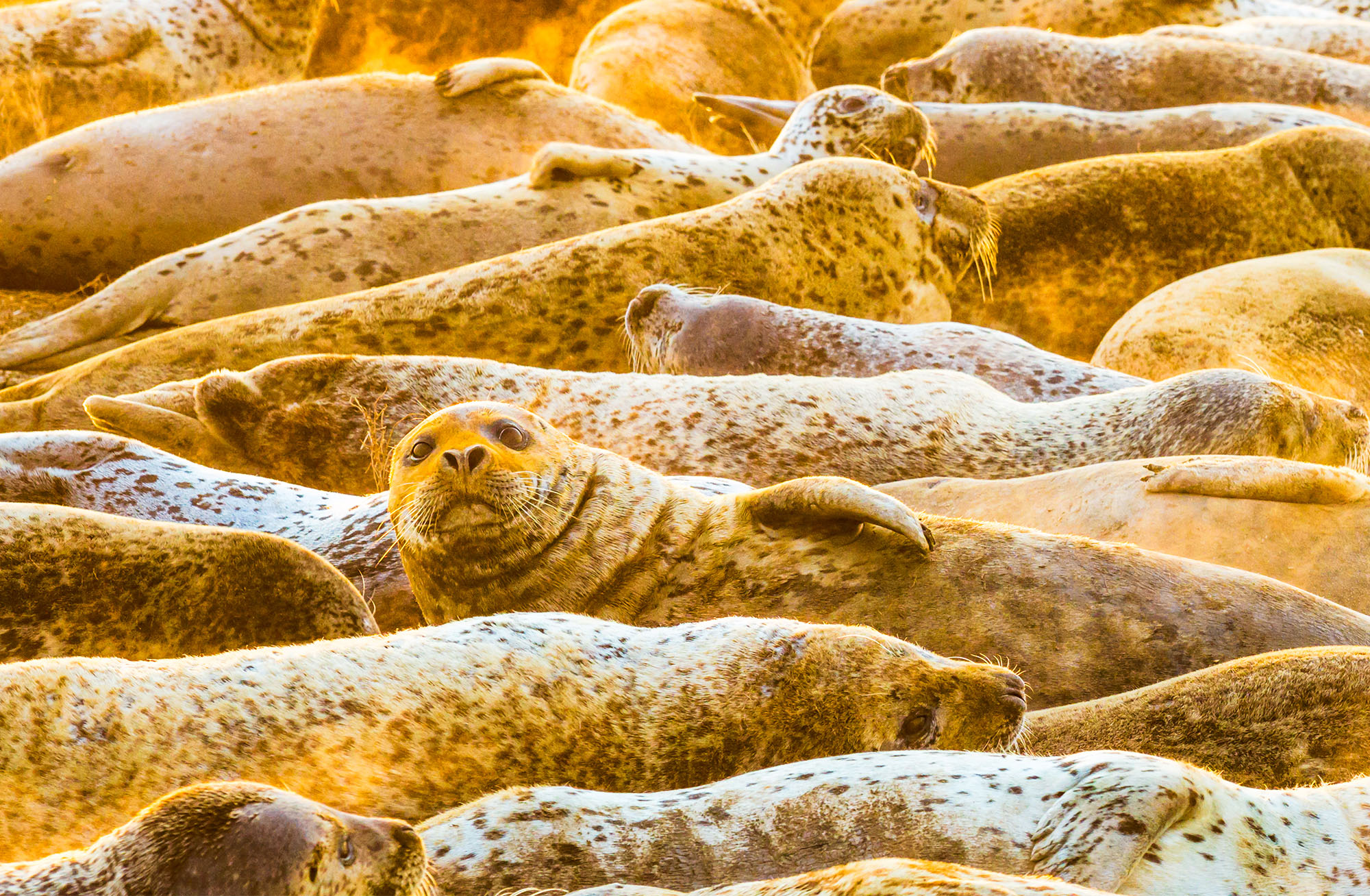
Spotted seals rest on mudflats at the Liaohe River estuary in Panjin, northeast China's Liaoning Province. (Photo/Xie Gang)
More spotted seals are returning to the Liaohe River estuary in Panjin, northeast China's Liaoning Province, following years of ecological restoration efforts in the coastal wetland area.
The estuary is China's only breeding ground for spotted seals. The highest daily count of spotted seals resting on local mudflats reached 451 this year, setting a record for the third consecutive year, according to Tian Jiguang with the Panjin Wetland Conservation Association. Just a few years ago, only dozens could be observed.
Local residents have played an active role in protecting the animals. Sixty-three-year-old fisherman Song Jiali patrols the reserve's waters every day. Boat operators passing through the area now voluntarily slow down, keep their distance from mudflats and reduce noise to avoid disturbing the seals.
More than 30 patrol workers like Song are involved in protecting the reserve. Over the past decade, more than 20 spotted seals have been rescued and released back into the wild at the estuary.
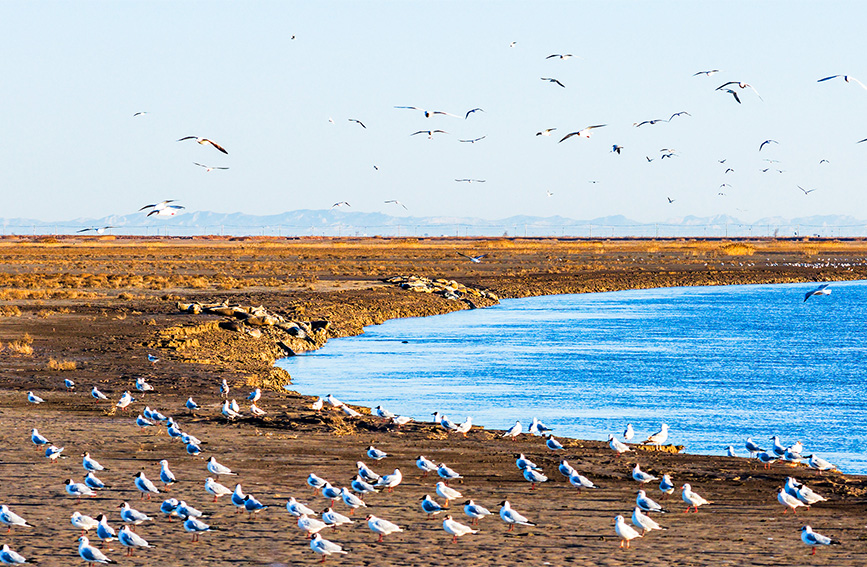
Various species of wild animals forage and rest at the Liaohe River estuary in Panjin, northeast China's Liaoning Province. (Photo/Xie Gang)
More than a decade ago, however, the situation was very different. Large areas of coastal wetlands had been cleared for aquaculture, while pollution and habitat fragmentation reduced fish stocks and weakened the ecosystem.
Restoration efforts began in 2015. A total of 598 aquaculture households withdrew from the area, 366 sewage outlets were removed, and 85,900 mu (5,727 hectares) of wetlands were restored. Suaeda salsa, a plant that can reduce soil salt content, was planted to improve habitat conditions for wildlife.
As the environment recovered, marine resources also rebounded. Panjin has established two national marine ranch demonstration zones, and the city's marine aquaculture output reached 40,000 tonnes last year, up 4.1 percent year on year.
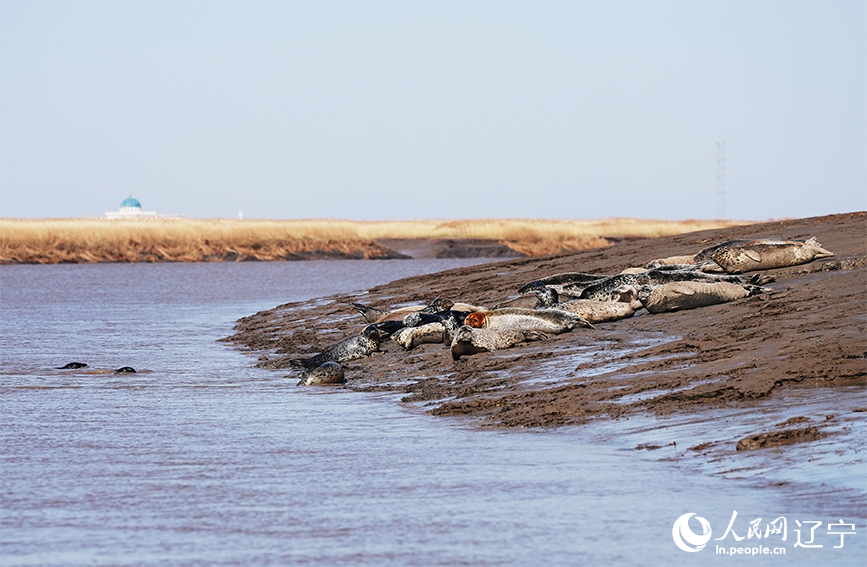
Spotted seals rest on mudflats at the Liaohe River estuary in Panjin, northeast China's Liaoning Province. (People's Daily Online/Qiu Yuzhe)
In recent years, increasing numbers of spotted seals have chosen to remain in the area through winter rather than migrate northward.
The restored wetlands have also benefited other wildlife. So far, 336 bird species have been recorded at the Liaohe River estuary, which is the world's largest breeding ground for black-headed gulls.
The area's improving ecology has also boosted tourism. Last year, it received more than 1.05 million tourist visits and generated tourism revenue exceeding 50 million yuan ($7.39 million).
Photos



Related Stories
Copyright © 2026 People's Daily Online. All Rights Reserved.
