



Rare plant research institute in Yichang safeguards Yangtze River biodiversity

A researcher of the Yangtze River rare plant research institute works at a greenhouse in Yichang, central China's Hubei Province, June 8, 2026. Established in 2007, the Yangtze River rare plant research institute serves as a force in safeguarding the biodiversity of the Yangtze River. The institute focuses on the conservation of rare and endemic plants in the Yangtze River Basin. To date, the institute has protected 2,160 rare and endemic plant species, cultivated over 320,000 seedlings and successfully transplanted 67,800 rare plants into the wild. (Xinhua/Wu Zhizun)
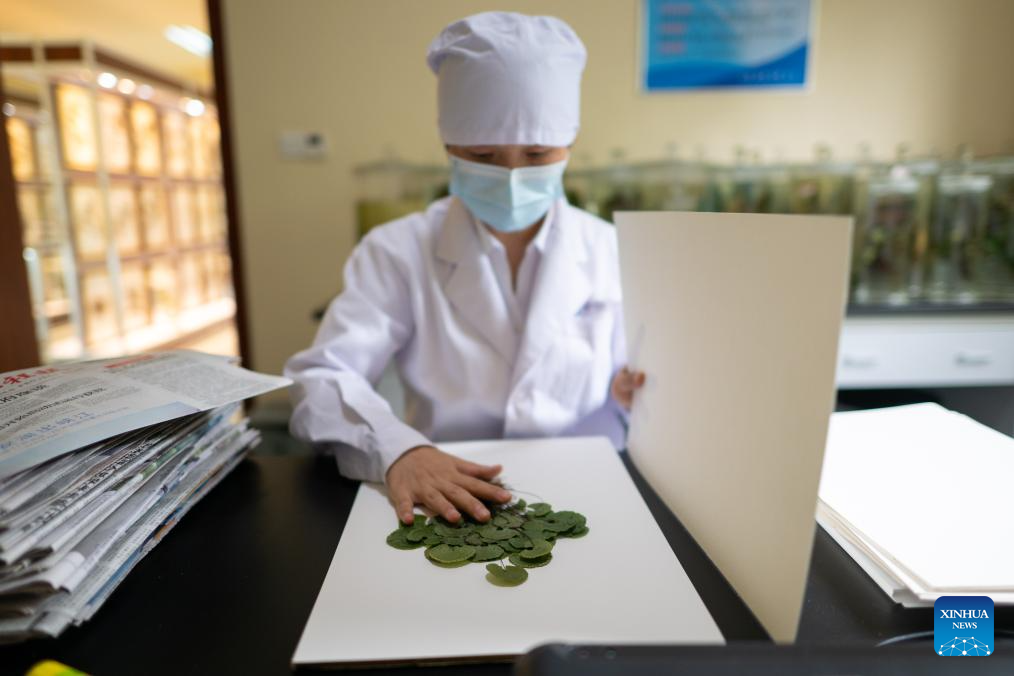
A researcher of the Yangtze River rare plant research institute works on plant specimen in Yichang, central China's Hubei Province, June 8, 2026. Established in 2007, the Yangtze River rare plant research institute serves as a force in safeguarding the biodiversity of the Yangtze River. The institute focuses on the conservation of rare and endemic plants in the Yangtze River Basin. To date, the institute has protected 2,160 rare and endemic plant species, cultivated over 320,000 seedlings and successfully transplanted 67,800 rare plants into the wild. (Xinhua/Wu Zhizun)
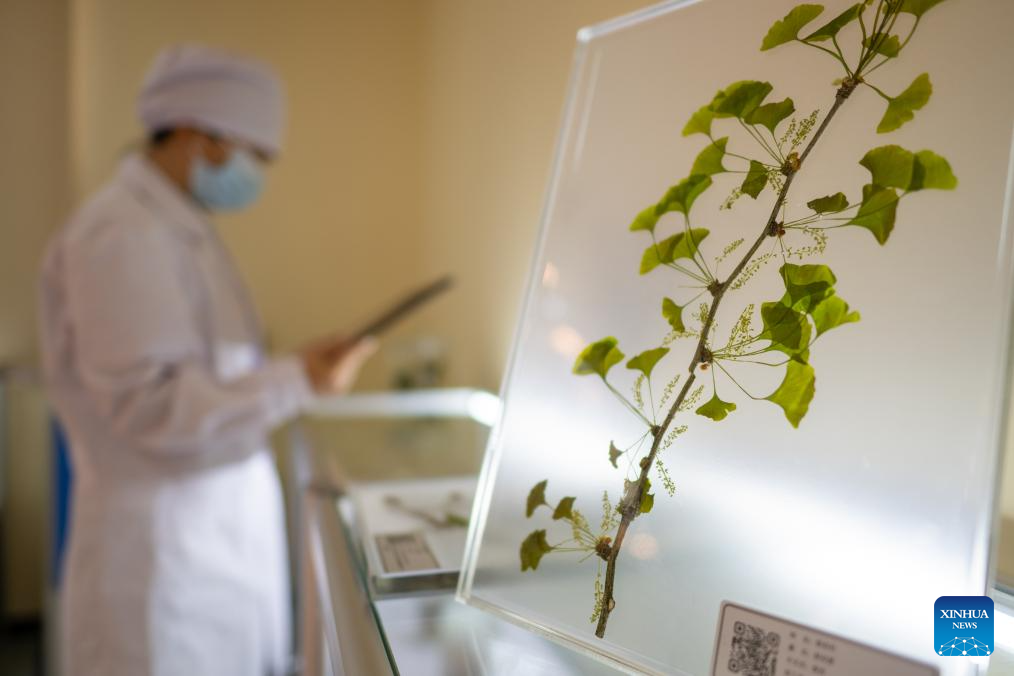
A researcher of the Yangtze River rare plant research institute works on plant specimen in Yichang, central China's Hubei Province, June 8, 2026. Established in 2007, the Yangtze River rare plant research institute serves as a force in safeguarding the biodiversity of the Yangtze River. The institute focuses on the conservation of rare and endemic plants in the Yangtze River Basin. To date, the institute has protected 2,160 rare and endemic plant species, cultivated over 320,000 seedlings and successfully transplanted 67,800 rare plants into the wild. (Xinhua/Wu Zhizun)

A researcher of the Yangtze River rare plant research institute works at a greenhouse for rare plants in Yichang, central China's Hubei Province, June 8, 2026. Established in 2007, the Yangtze River rare plant research institute serves as a force in safeguarding the biodiversity of the Yangtze River. The institute focuses on the conservation of rare and endemic plants in the Yangtze River Basin. To date, the institute has protected 2,160 rare and endemic plant species, cultivated over 320,000 seedlings and successfully transplanted 67,800 rare plants into the wild. (Xinhua/Wu Zhizun)

A researcher of the Yangtze River rare plant research institute observes the growth of plants in Yichang, central China's Hubei Province, June 8, 2026. Established in 2007, the Yangtze River rare plant research institute serves as a force in safeguarding the biodiversity of the Yangtze River. The institute focuses on the conservation of rare and endemic plants in the Yangtze River Basin. To date, the institute has protected 2,160 rare and endemic plant species, cultivated over 320,000 seedlings and successfully transplanted 67,800 rare plants into the wild. (Xinhua/Wu Zhizun)
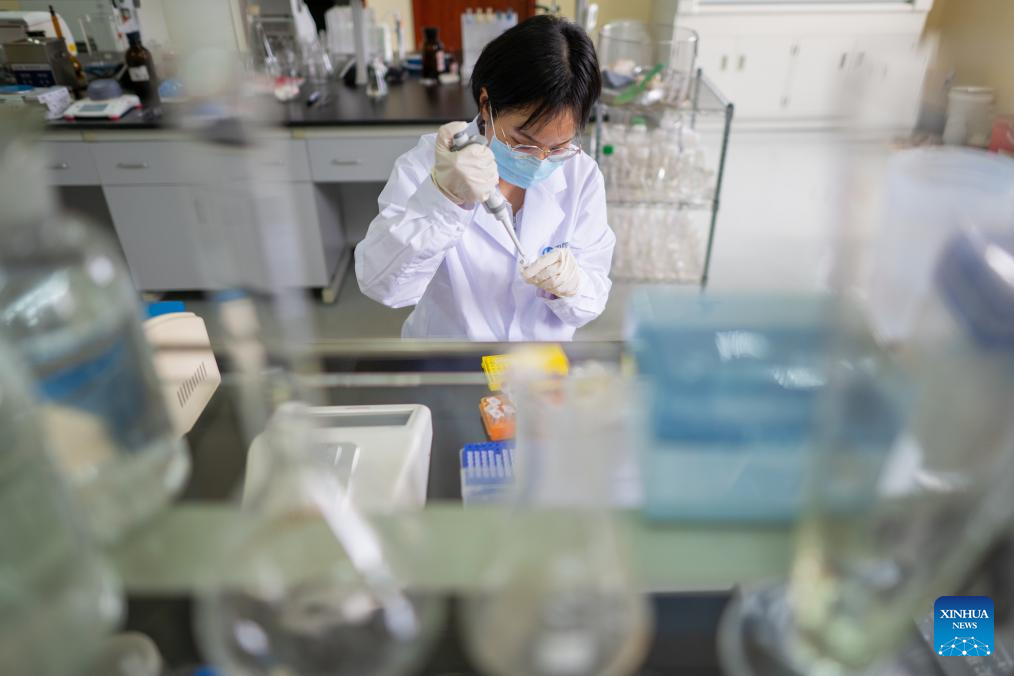
A researcher of the Yangtze River rare plant research institute conducts an experiment in Yichang, central China's Hubei Province, June 8, 2026. Established in 2007, the Yangtze River rare plant research institute serves as a force in safeguarding the biodiversity of the Yangtze River. The institute focuses on the conservation of rare and endemic plants in the Yangtze River Basin. To date, the institute has protected 2,160 rare and endemic plant species, cultivated over 320,000 seedlings and successfully transplanted 67,800 rare plants into the wild. (Xinhua/Wu Zhizun)

A researcher of the Yangtze River rare plant research institute conducts an experiment in Yichang, central China's Hubei Province, June 8, 2026. Established in 2007, the Yangtze River rare plant research institute serves as a force in safeguarding the biodiversity of the Yangtze River. The institute focuses on the conservation of rare and endemic plants in the Yangtze River Basin. To date, the institute has protected 2,160 rare and endemic plant species, cultivated over 320,000 seedlings and successfully transplanted 67,800 rare plants into the wild. (Xinhua/Wu Zhizun)
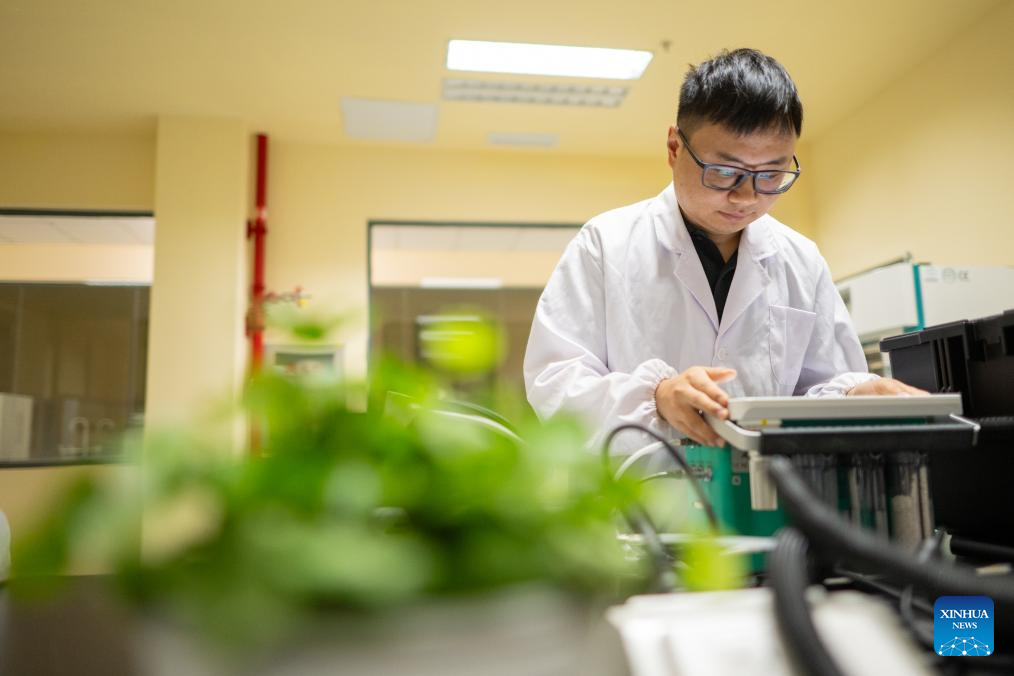
A researcher of the Yangtze River rare plant research institute measures photosynthetic rate of plant leaves in Yichang, central China's Hubei Province, June 8, 2026. Established in 2007, the Yangtze River rare plant research institute serves as a force in safeguarding the biodiversity of the Yangtze River. The institute focuses on the conservation of rare and endemic plants in the Yangtze River Basin. To date, the institute has protected 2,160 rare and endemic plant species, cultivated over 320,000 seedlings and successfully transplanted 67,800 rare plants into the wild. (Xinhua/Wu Zhizun)
Photos

Related Stories
- Beijing ranks among global megacities with high biodiversity levels
- Young nature educators protect biodiversity in rural China
- China sees continued rise in wild populations of endangered species
- Shenzhen explores distinctive path for biodiversity conservation in urban areas
- Scientists identify central China as new global biodiversity hotspot
Copyright © 2026 People's Daily Online. All Rights Reserved.
