



County in C China's Hunan produces quarter of China's silver despite having no mines
Yongxing, a county in Chenzhou, central China's Hunan Province, rose to prominence through silver processing. It produces a quarter of the nation's silver, earning an industrial reputation for "turning waste into gold."
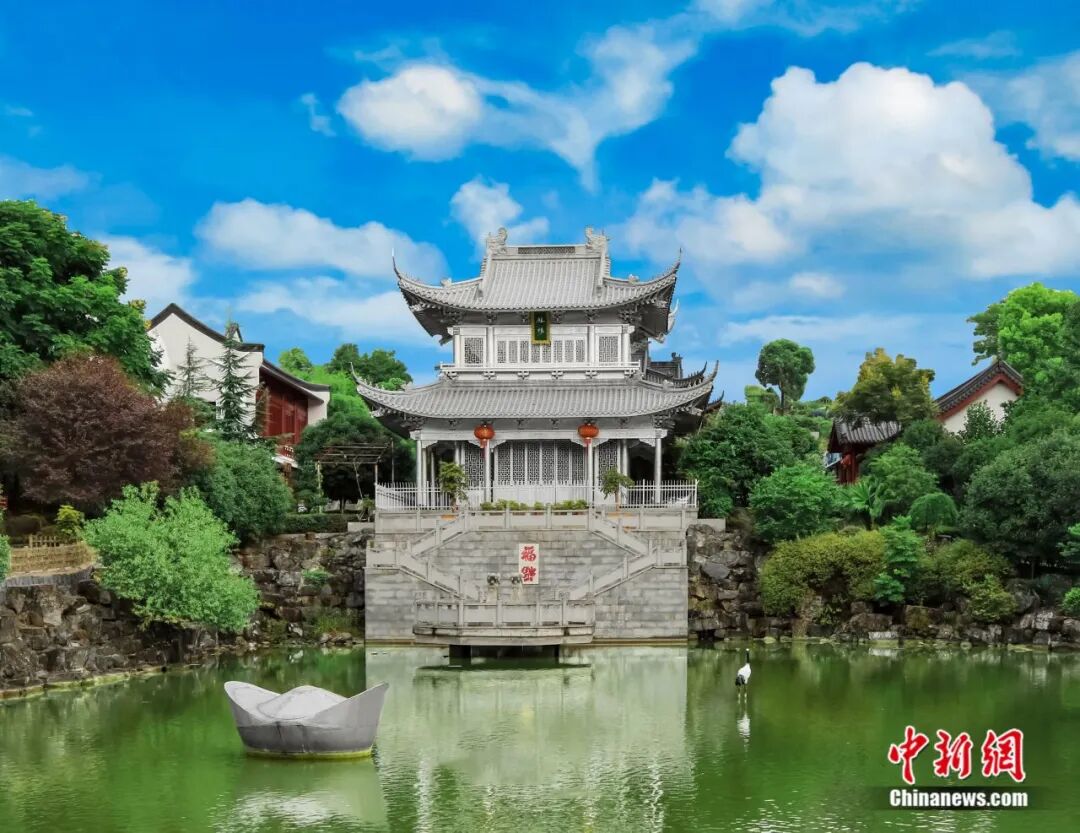
Photo shows a silver shop in Yongxing county, Chenzhou city, central China's Hunan Province. (Photo courtesy of the Publicity Department of the Communist Party of China Yongxing County Committee)
In the late Ming and Qing dynasties (1368-1911), farmers from Tangni village of Yongxing sailed to Singapore, Malaysia, Thailand and other countries to make a living by panning for gold in riverbeds and tidal flats. They developed early skills in identifying and processing precious metals.
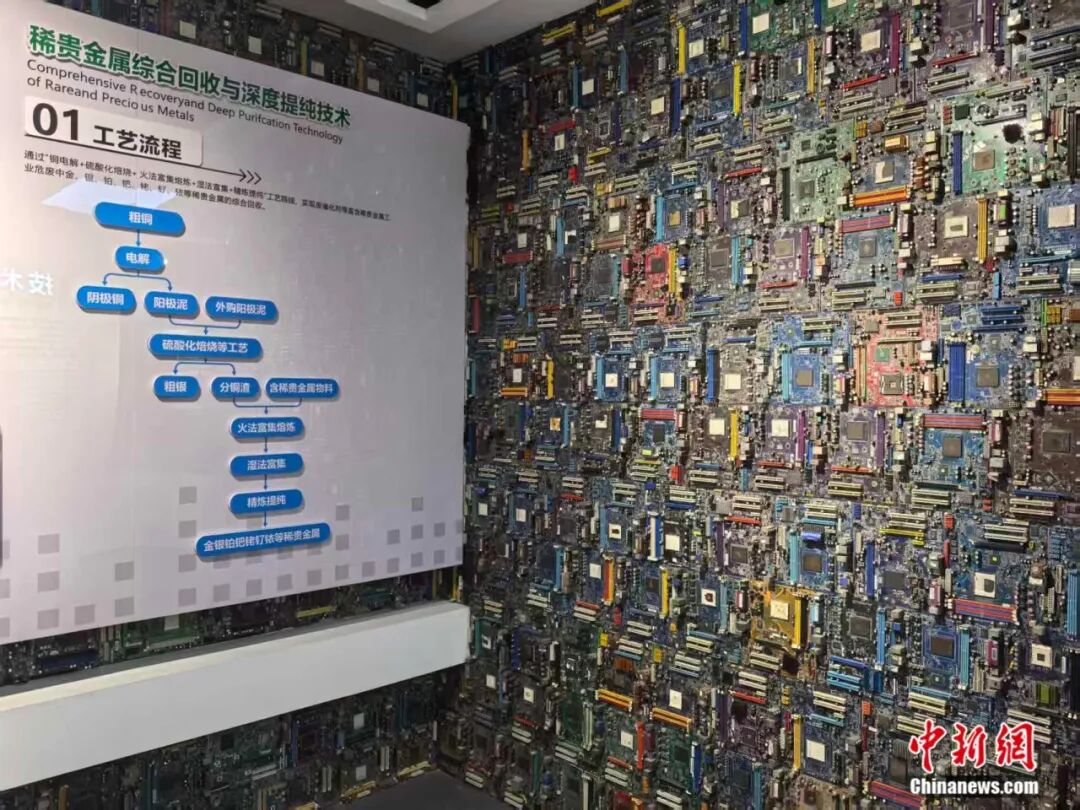
Discarded electronic circuit boards have become a key source of raw materials for the rare and precious metals industry in Yongxing county, Chenzhou city, central China's Hunan Province. (Photo/Lu Yi)
By the 1980s and 1990s, as industrialization accelerated in China, industrial waste grew rapidly. The people of Yongxing, with their silver smelting know-how, seized the opportunity to extract gold, silver, and other precious metals from residues, fumes, and wastewater produced by the petrochemical and electronics industries.
In the 21st century, stricter environmental rules and industrial expansion pushed Yongxing enterprises to collaborate with universities and research institutes, advancing toward cleaner, more efficient, and circular production.
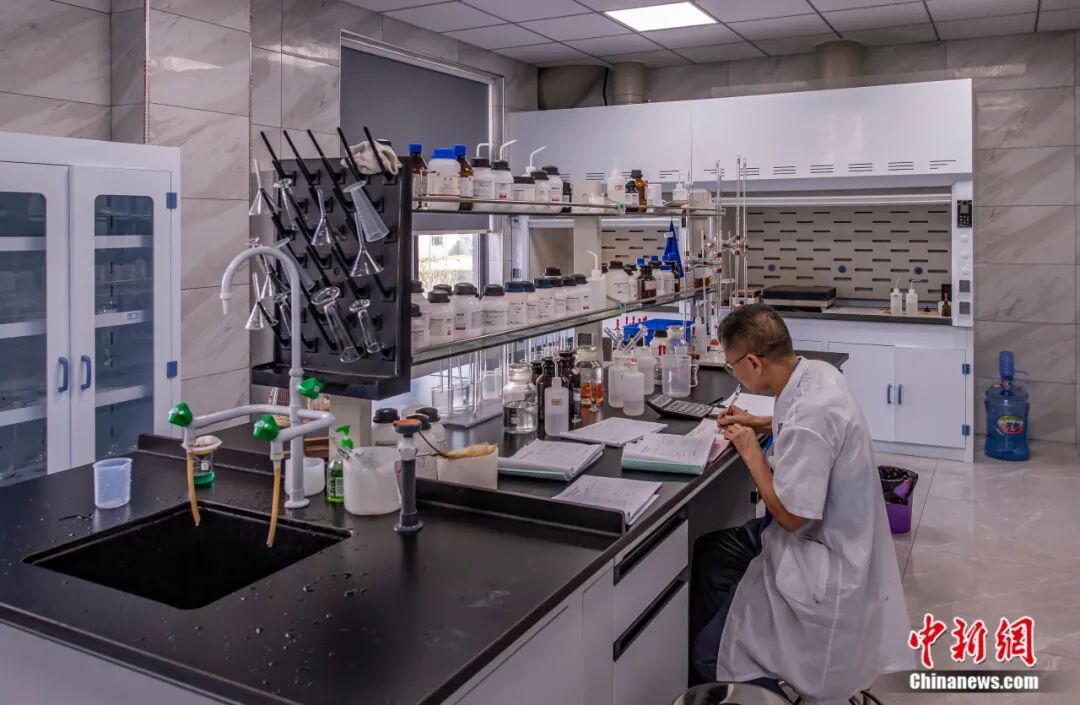
A laboratory technician works at a rare and precious metals recycling enterprise in Yongxing county, Chenzhou city, central China's Hunan Province. (Photo courtesy of the Publicity Department of the Communist Party of China Yongxing County Committee)
At Hunan Tengchi Environmental Technology Co., Ltd., the workshop is free of smoke.
Yan Xiaoyi, head of R&D, explained that a clean smelting system the company co-developed with Central South University can safely treat waste, recover over 98.5 percent of lead and 99.5 percent of precious metals like gold and silver, and process 600 tonnes of waste daily.
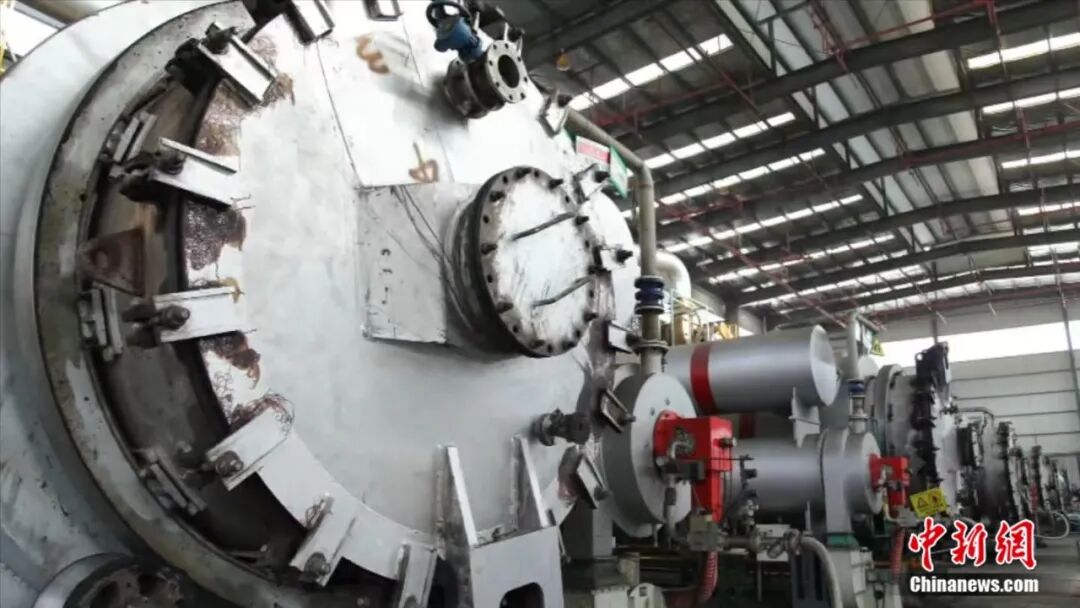
Photo shows intermittent pyrolysis furnaces at a factory in Yongxing county, Chenzhou city, central China's Hunan Province. (Photo courtesy of the Publicity Department of the Communist Party of China Yongxing County Committee)
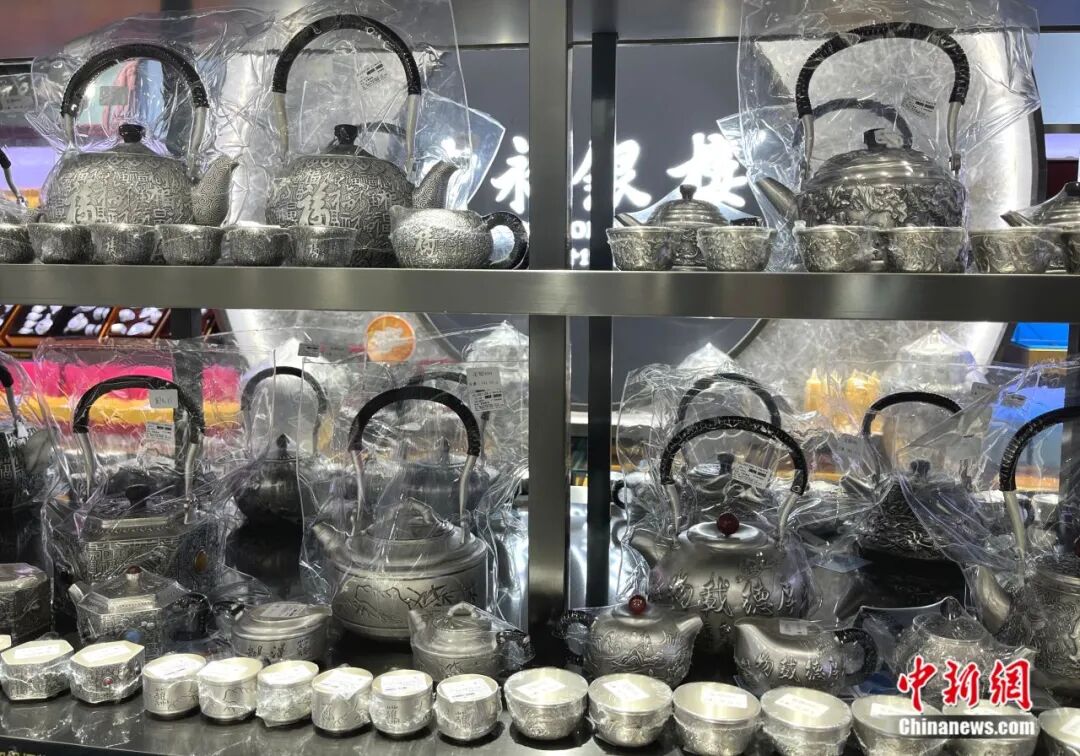
Photo shows silver tea sets at a silver shop in Yongxing county, Chenzhou city, central China's Hunan Province. (Photo courtesy of the Publicity Department of the Communist Party of China Yongxing County Committee)
Today, Yongxing produces refined bismuth, refined copper, silver powder, high-purity silver, tellurium, and nickel alloys, and is expanding into new materials like lithium carbonate, tantalum-niobium, silver nitrate, and nanosilver.
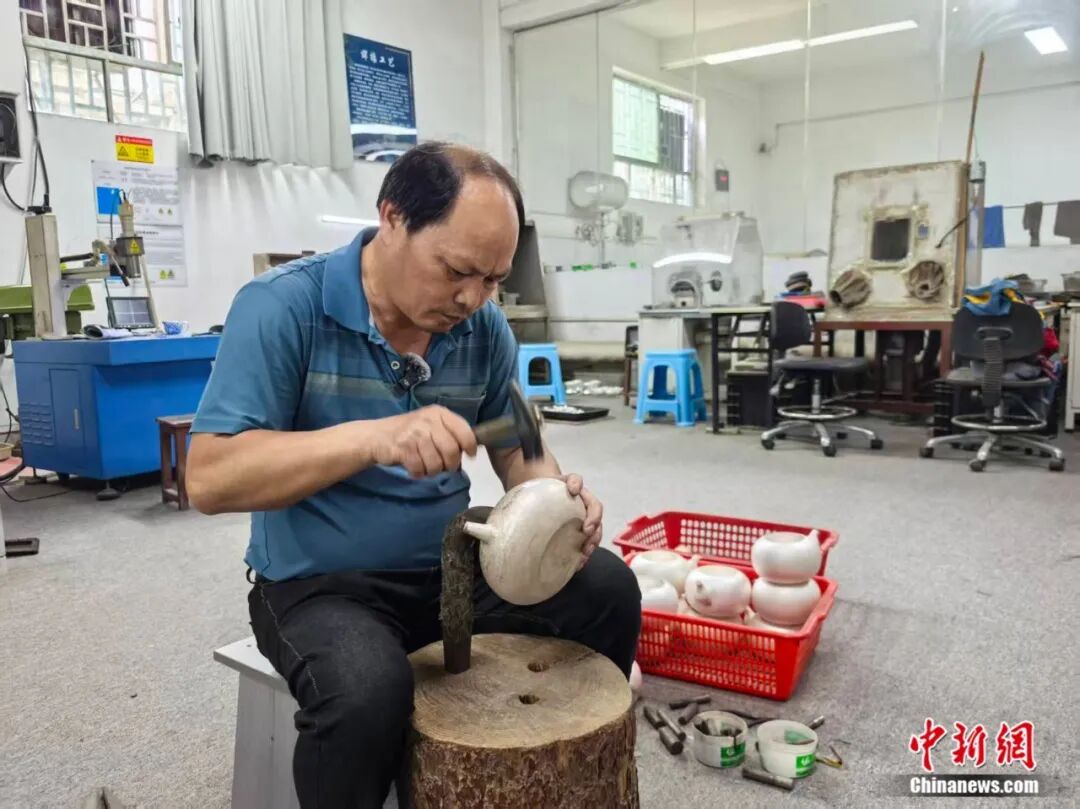
A silversmith makes a silver teapot in Yongxing county, Chenzhou city, central China's Hunan Province. (Photo/Lu Yi)
At the same time, Yongxing is transforming silver from an industrial raw material into a consumer product.
Growth in upstream smelting and downstream processing has become mutually reinforcing in the county, helping to build a nationally significant industrial cluster worth over 100 billion yuan ($14.39 billion), driven primarily by small- and medium-sized enterprises.
In the first three quarters of 2025, Yongxing's rare and precious metals industry reached 45.9 billion yuan in industrial output, up 21.8 percent year on year.
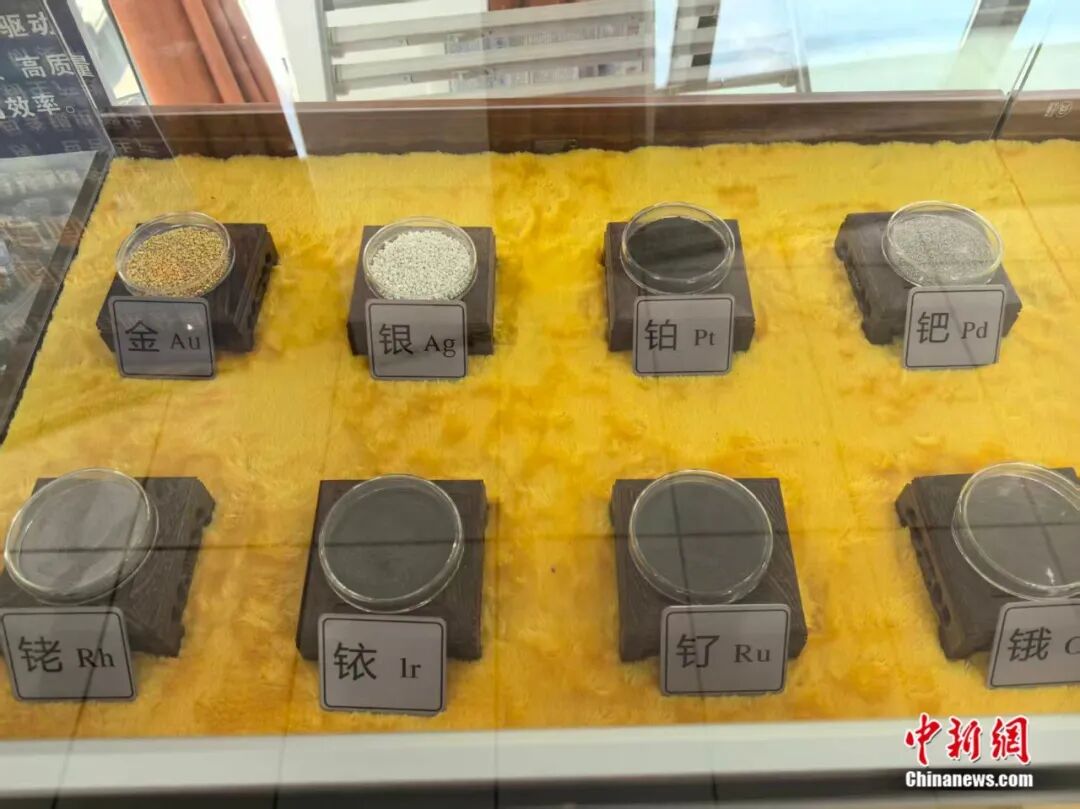
Photo shows samples of rare and precious metals recycled from industrial waste in Yongxing county, Chenzhou city, central China's Hunan Province. (Photo/Lu Yi)
Yongxing's silver industry has long had a global reach. One notable example is Hunan Yindu Commercial Development Co., Ltd. The company has established a jewelry processing factory in Tajikistan, providing not only raw materials but also processing techniques.
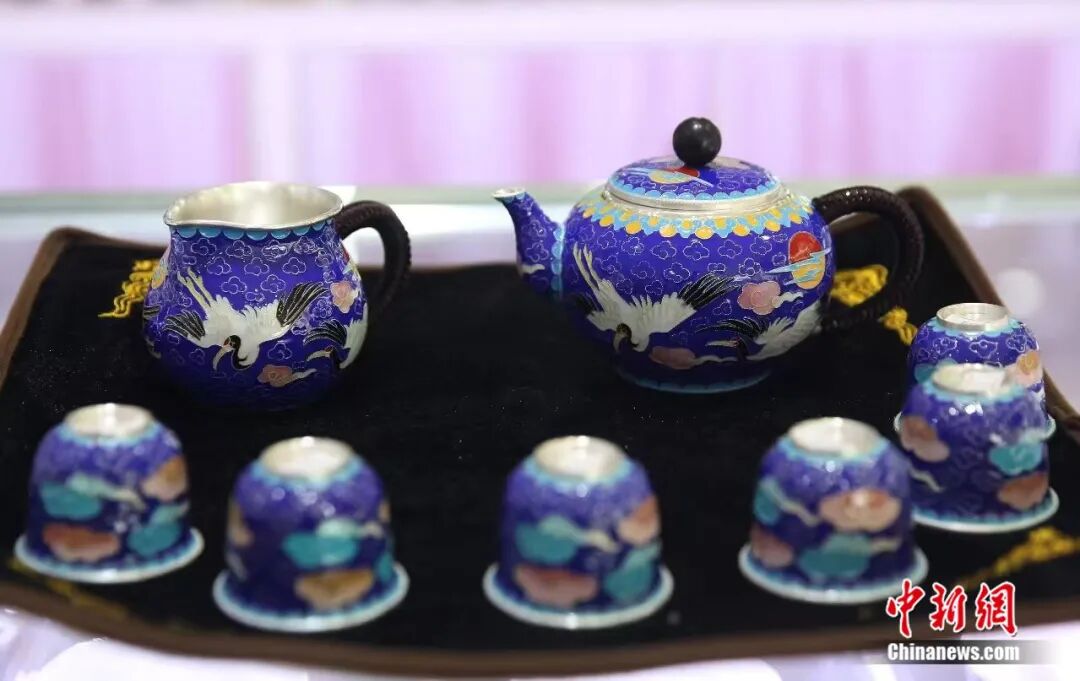
A cloisonné silver tea set. (Photo courtesy of the Publicity Department of the Communist Party of China Yongxing County Committee)
"We integrate local culture into products like cloisonné vases and tea sets, some of which are now in the National Museum of Tajikistan," said Liu Xiaowei, head of the company. Today, these products are exported to countries in East Asia, Southeast Asia and Central Asia.
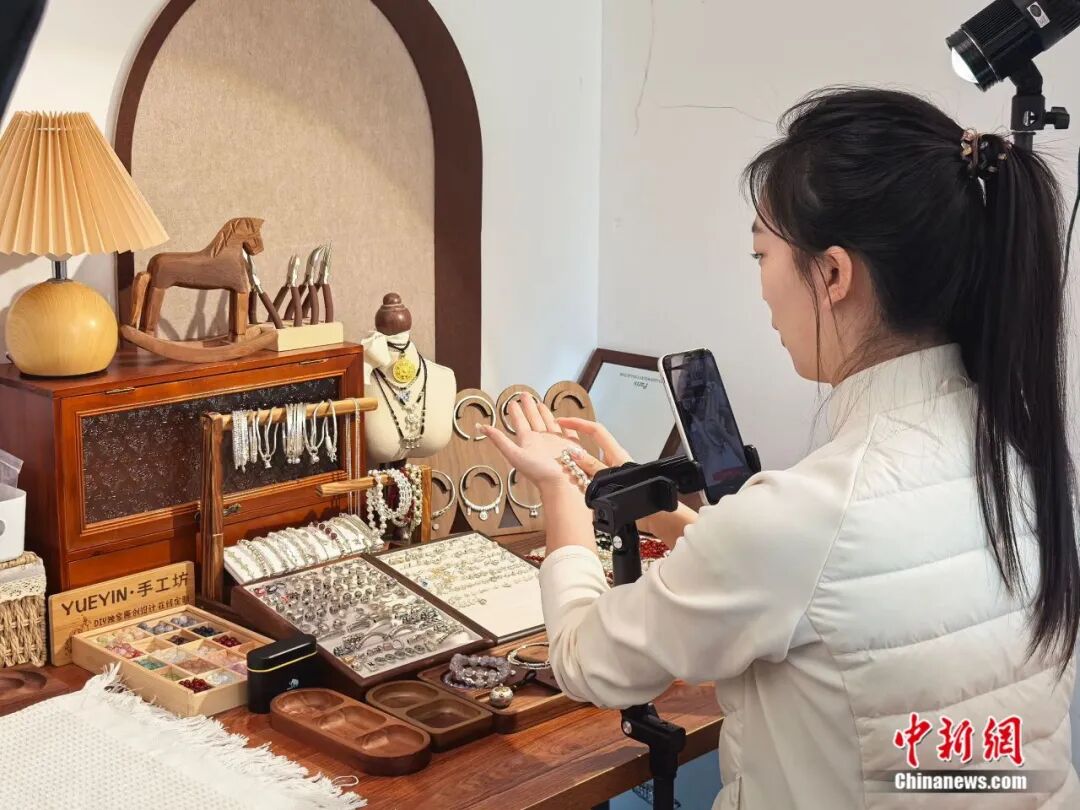
Cui Xuepiao, a livestreaming host, shows silver jewelry in front of the camera during a livestreaming session at China Yindu Creative and Cultural Park in Yongxing county, Chenzhou, central China's Hunan Province. (Photo/Lu Yi)
At China Yindu Creative and Cultural Park, livestreaming studios have become a new industrial landmark.
Livestreaming host Cui Xuepiao skillfully showcases silver jewelry in front of the camera. A returning entrepreneur and one of the park's standout livestreaming hosts, she noted that sales during a single livestreaming session held during last year's Qixi Festival (Chinese Valentine's Day in August) surpassed 4 million yuan.
In the first three quarters of 2025, the park's e-commerce livestreaming studios generated nearly 500 million yuan in sales, up nearly 200 percent year on year.
Photos

Related Stories
- Craftsman dedicates over 40 years to Miao silver jewelry in SW China’s Guizhou
- Pic story: inheritor of traditional Dong ethnic silver ornaments craftsmanship
- Craftsman strives to bring intangible cultural heritage back to life
- In pics: silver artisans in central China's Hunan
- China's Ma Wei picks silver at 2016 winter youth Olympics
- Grandpa has six Qing Dynasty silver ingots
-
Hosts China collects 2 golds, 1 silver, 1 bronze in 5 apparatus finals - Tower made of 2,500 kg recycled silver glitters in Hunan
- Gold and silver night exchange opens
- Untarnished appeal of old silver
Copyright © 2026 People's Daily Online. All Rights Reserved.
