



Emperor Qinshihuang’s Mausoleum Site Museum successfully restores two acrobatic terracotta figurines
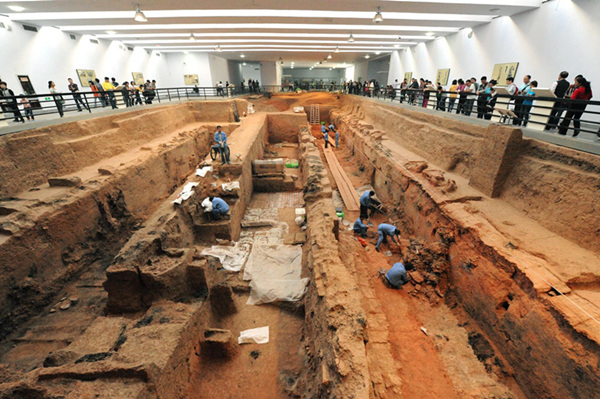
Archeologists work in Pit K9901 of the Emperor Qinshihuang’s Mausoleum Site Museum in northwest China’s Shaanxi Province. (Photo courtesy of the Emperor Qinshihuang’s Mausoleum Site Museum)
On July 20, the Emperor Qinshihuang’s Mausoleum Site Museum in northwest China’s Shaanxi Province released its latest research results on the restoration of figurines excavated in Pit K9901 of the museum. According to archeologists, the figurines in Pit K9901 could be a portrayal of acrobats who performed in the imperial palace.
The museum also disclosed that restoration of two of the acrobatic figurines, Figurine No.4 and Figurine No.28, has been completed. More than 30 terracotta figurines have been unearthed in Pit K9901.
Acrobatics, which already existed during the Spring and Autumn Period (770-476 BC), was performed on the stage in the imperial palace during the Qin Dynasty (221-206 BC), becoming one of the prevalent royal entertainment activities during that period.
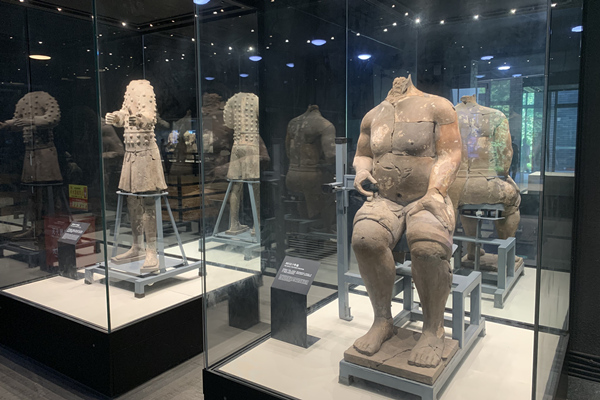
Some restored acrobatic terracotta warrior figurines on display. (People’s Daily Online/Li Zhiqiang)
Ancient craftsmen adopted various techniques to create the figurines, including sculpting, molding, pasting, carving and painting, so that they could properly portray the body shapes, sizes, facial expressions, colors and quality of the figurines.
Figurine No.4 unearthed in Pit K9901 of the museum provides a wealth of information on the art of the Qin Dynasty, compared with other figurines of the same type. The Emperor Qinshihuang’s Mausoleum Site Museum collaborated with the China National Silk Museum to recreate the costume the figurine had worn, explained Zhou Ping, deputy director of the museum.
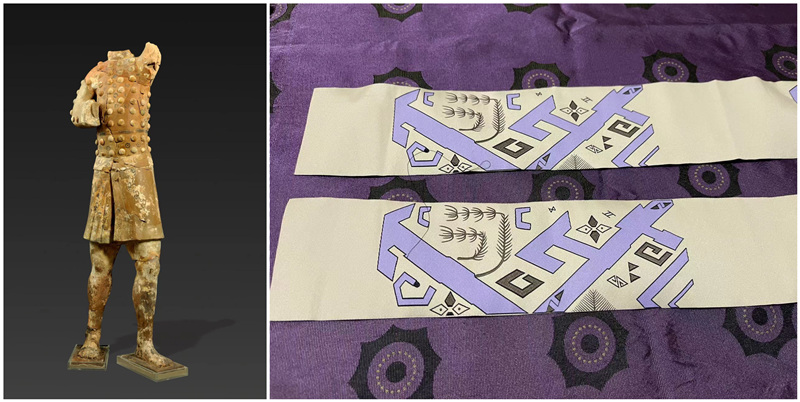
The left section of the combo photo shows Figurine No. 4 in Pit K9901 of the Emperor Qinshihuang’s Mausoleum Site Museum, and the right section of the combo photo shows recreated fabrics of the costume worn by the same figurine. (Photo courtesy of the Emperor Qinshihuang’s Mausoleum Site Museum)
Figurine No.28 unearthed in Pit K9901 of the museum is in a face-down position, making it different from all the other figurines unearthed at the mausoleum site. It took the archeologists nine months to finally restore the figurine due to the difficulties they encountered during the repair process.
However, due to the special position adopted by the figurine, it will be very difficult to directly carry out research on, display or even utilize the restored Figurine No.28. In a bid to present more information about the figurine to researchers and the general public, the museum worked with the School of Information Science and Technology of Northwest University, Shaanxi Province, to build a model of the figurine through 3D scanning.
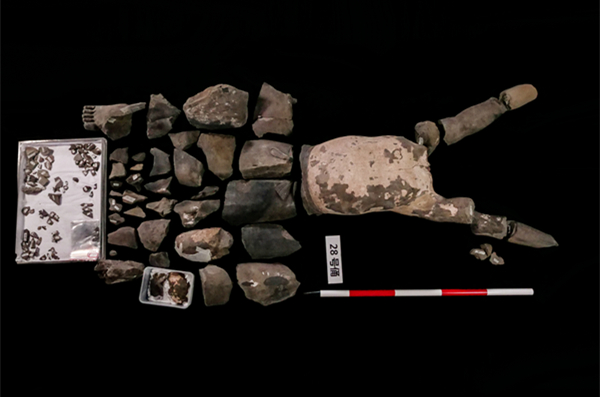
Photo shows Figurine No.28 unearthed in Pit K9901 of the Emperor Qinshihuang’s Mausoleum Site Museum. (Photo courtesy of the Emperor Qinshihuang’s Mausoleum Site Museum)
The museum also invited acrobats from the Shaanxi Provincial Acrobatic Art Troupe to imitate Figurine No. 28. An acrobatic show was produced based on the terracotta figurine and was staged earlier this year at the Emperor Qinshihuang’s Mausoleum Site Museum.
Meanwhile, based on the fingerprints left by the craftsman on the figurine’s surface, the archeologists concluded that the craftsman was likely at a young age when he created the artifact.
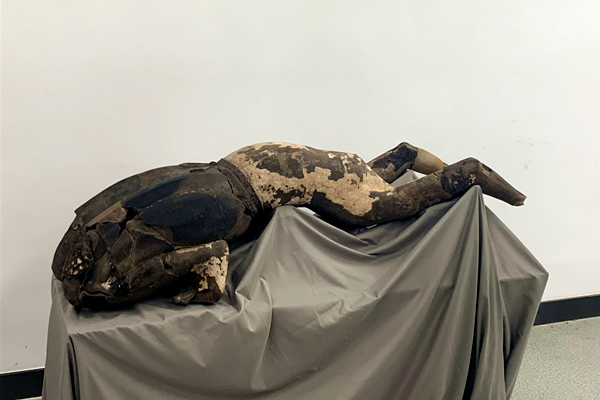
Photo shows the restored Figurine No.28 unearthed in Pit K9901 of the Emperor Qinshihuang’s Mausoleum Site Museum. (People’s Daily Online/Li Zhiqiang)
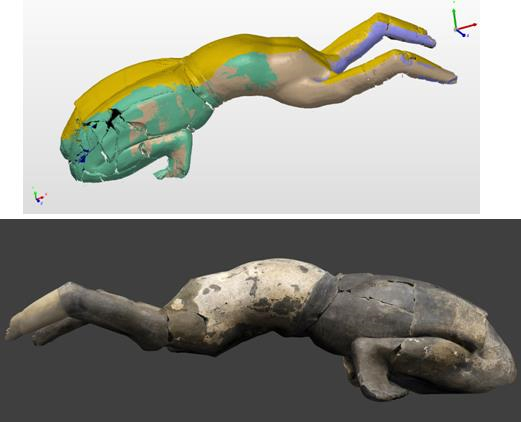
The upper section of the combo photo shows the mapping effect of Figurine No.28 unearthed in Pit K9901 of the Emperor Qinshihuang’s Mausoleum Site Museum, and the lower section of the combo shows a model of the same figurine built through 3D modeling. (Photo courtesy of the Emperor Qinshihuang’s Mausoleum Site Museum)
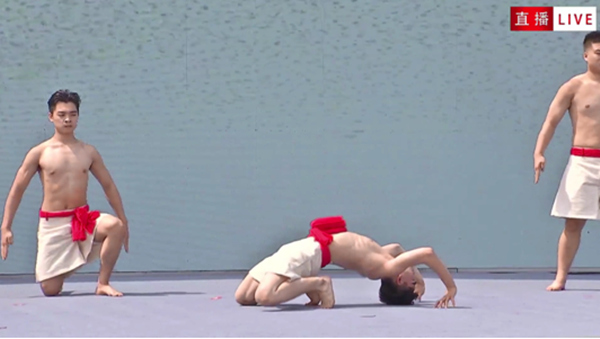
An acrobatic performer imitates Figurine No. 28 unearthed in Pit K9901 of the Emperor Qinshihuang’s Mausoleum Site Museum. (screenshot of a video)
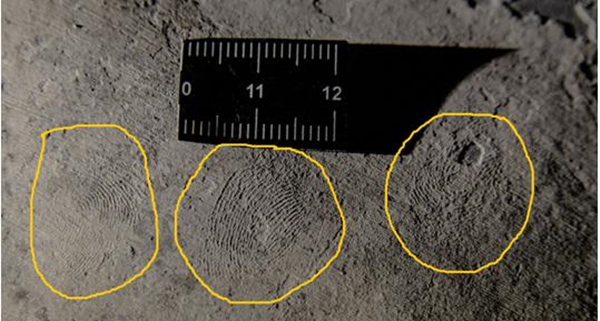
Photo shows fingerprints discovered on the surface of the abdominal area of Figurine No. 28 unearthed in Pit K9901 of the Emperor Qinshihuang’s Mausoleum Site Museum. (Photo courtesy of the Emperor Qinshihuang’s Mausoleum Site Museum)
Photos
Related Stories
- Museum housing Terracotta Warriors reopens in China
- Chinese host maintains positive attitude despite theft of terracotta warrior's thumb
- Terracotta Army, the Warriors of Xi'an
- Tour aims to make art easy for uninitiated
- Terracotta Warrior Army site starts new excavation
- The most complete ancient crossbow unearthed with terracotta army
- Complete crossbow uncovered in terracotta warriors pit
- Zimbabwean President speaks highly of the Terracotta Army
- Largest terracotta warriors thematic EXPO opens in HK
- Chinese archaeologists receive Spanish award for terracotta army study
Copyright © 2022 People's Daily Online. All Rights Reserved.
