Stories of High-Quality Development | 'AI Plus' shapes a new form of intelligent economy
The Outline of the 15th Five-Year Plan (2026-2030) calls for the full implementation of the "AI Plus" initiative. The 2026 government work report, for the first time, proposed creating a new form of the intelligent economy.
Artificial intelligence, a strategic technology leading a new round of technological revolution and industrial transformation, is penetrating all areas of the economy and society with unprecedented speed, breadth and depth, said Zhu Songchun, a member of the 14th National Committee of the Chinese People's Political Consultative Conference (CPPCC) and director of the Beijing Institute for General Artificial Intelligence.
Zhu made the remarks recently while hosting an episode of People's Daily's "Stories of High-Quality Development" program.
How is "AI Plus" changing the way we work and live, and shaping a new form of intelligent economy? The answer lies in three real-life stories.
AI assistants keep public services running around the clock
Li Weijun is secretary of the Party committee and director of the residents' committee of Fuli Haiyang community in Guanyinqiao subdistrict, Liangjiang New Area, southwest China's Chongqing. With limited staff, Li used to struggle to respond to residents' requests on time.
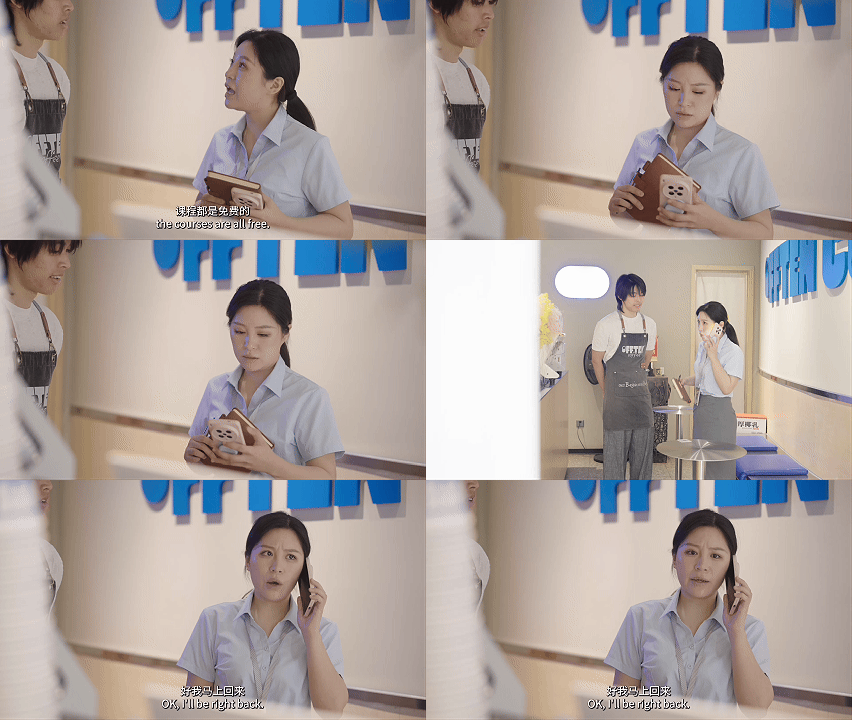
Today, an AI assistant receives residents' direct requests and uses data to uncover their underlying needs, making round-the-clock online responses a reality.
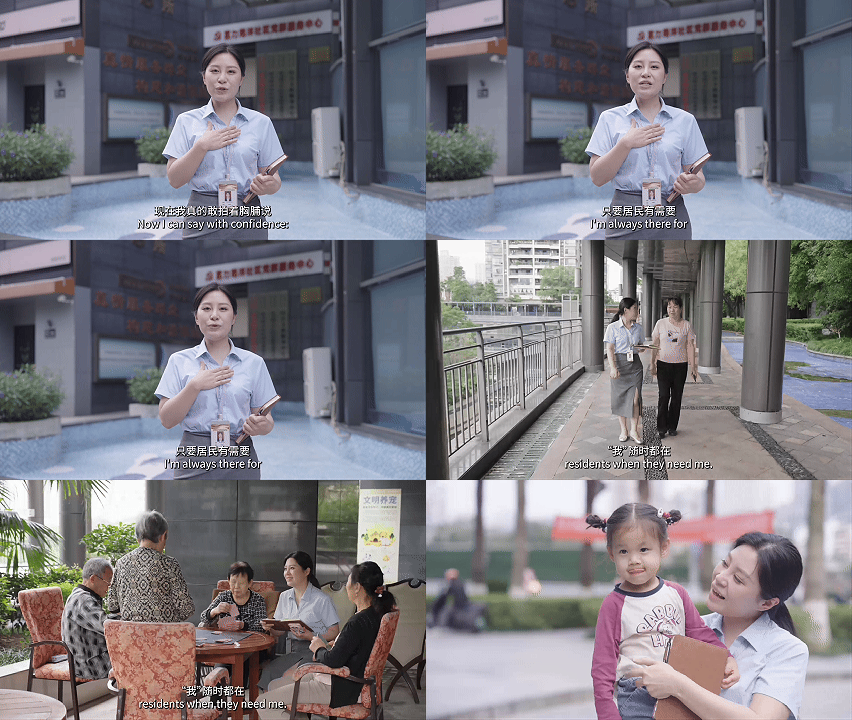
By shifting from people seeking services to services seeking people, AI helps community workers accurately identify needs, allocate public service resources more efficiently, and respond to public concerns swiftly, significantly improving both the efficiency and the human warmth of social governance. It also frees up time for community workers to spend among residents and serve them more thoroughly.
Zhu said the Chongqing community's case is a vivid example of social intelligence being put into practice at the grassroots level. Integrating AI with livelihood aims to turn technological advances into tangible improvements in people's lives, ensuring that the benefits of building an intelligent society are shared more widely and fairly by all.
AI unleashes new vitality on factory production lines
At an asphalt factory of Shandong Chambroad Petrochemicals Co., Ltd., seasoned workers used to rely on listening, touching, looking, comparing and smelling during equipment inspections. Operators had to watch and adjust parameters for long periods whenever raw materials were changed.
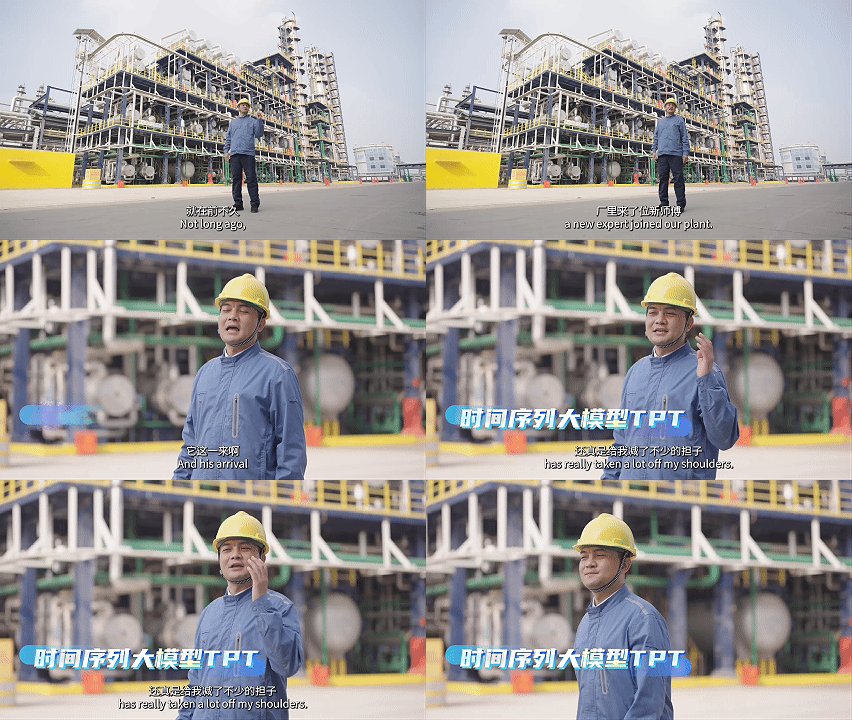
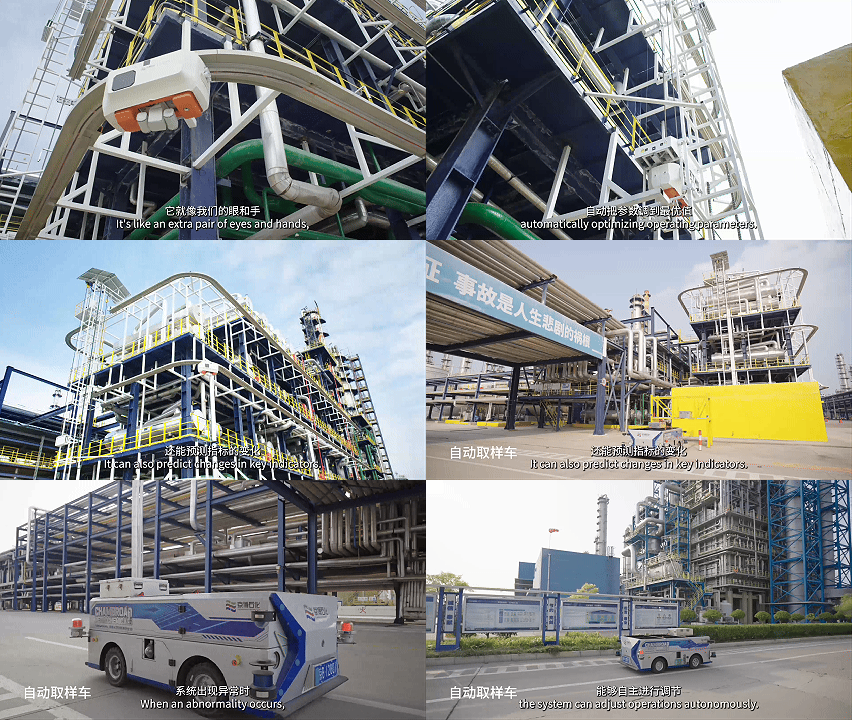
With the introduction of TPT, an industrial AI time-series large model, AI now automatically tunes production parameters to their optimal values. It can also predict changes in key indicators. When an abnormality occurs, it can adjust operations autonomously.
The factory has seen a drop of more than 80 percent in the frequency of manual operations in the control room. Its on-site workload has also fallen by more than one-third. The frequency of equipment alarms has been significantly reduced.
While ensuring safe production, this intelligent transformation has also helped the company achieve energy conservation and carbon reduction, improve quality and efficiency, and gain considerable economic benefits.
According to Zhu, industrial AI is about far more than adding a set of software and hardware systems. It is a systemic reshaping of the factors of production, the tools of production and organizational models.
Integrating AI with industry is not about replacing people with machines. It is about turning human production experience into reusable model capabilities. It frees people from arduous, repetitive tasks, allowing them to take on more valuable roles in decision-making, judgment and innovation.
AI-powered weather warnings reach across the globe
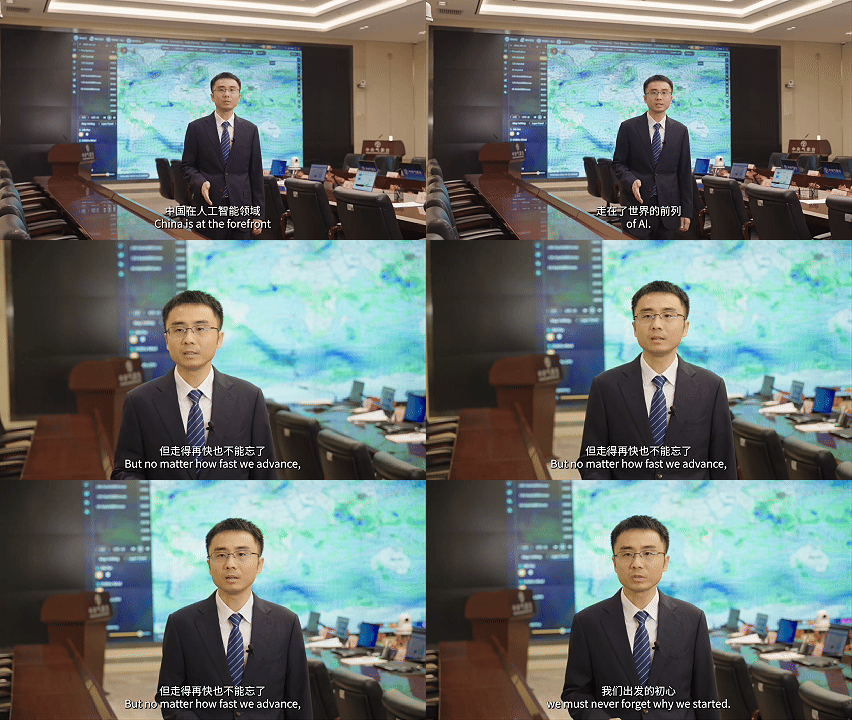
But the benefits of AI aren't within everyone's reach. Some small developing countries, in particular, are facing multiple challenges, including weak infrastructure, insufficient funds and a lack of talent.
Built on a family of AI forecasting models called "Feng," meaning "wind," China's MAZU early warning solution delivers efficient and accurate weather forecasts and warnings. The four letters of MAZU stand for multi-hazard, alert, zero-gap and universal. Its mission is clear: to take early warnings to the places that need them most but still lack access to them.
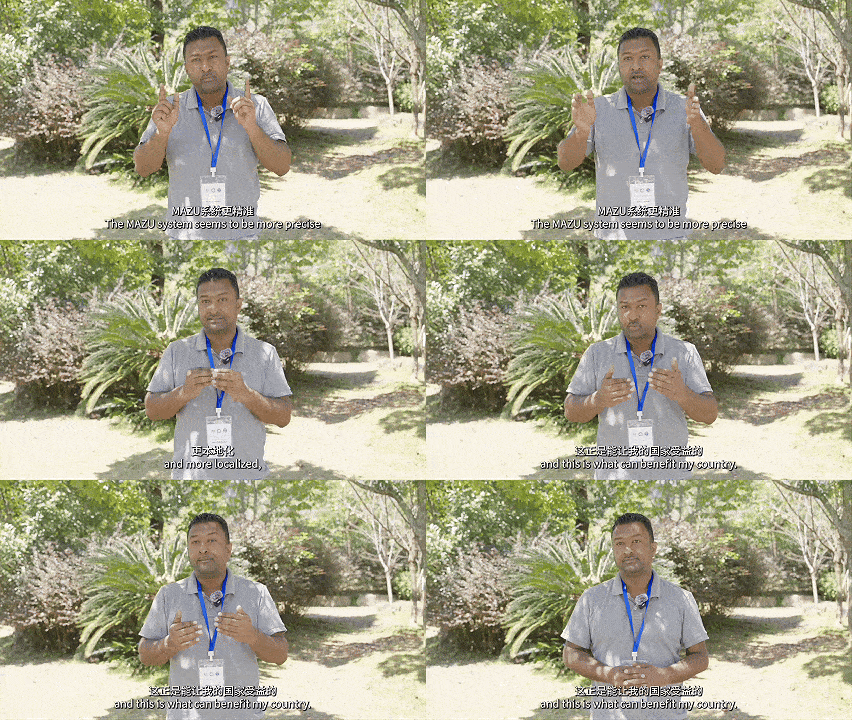
MAZU is currently used via the cloud in more than 50 countries, and customized versions have been deployed in eight. In the next five years, customized MAZU solutions will be rolled out in 30 countries.
Facing unbalanced development across the globe, China upholds the principles of using technology for good and promoting open-source development and openness, Zhu said.
It works to make intelligent technologies accessible to developing countries, so everyone can benefit. It helps address gaps in global public services and advances the building of a community with a shared future for humanity.
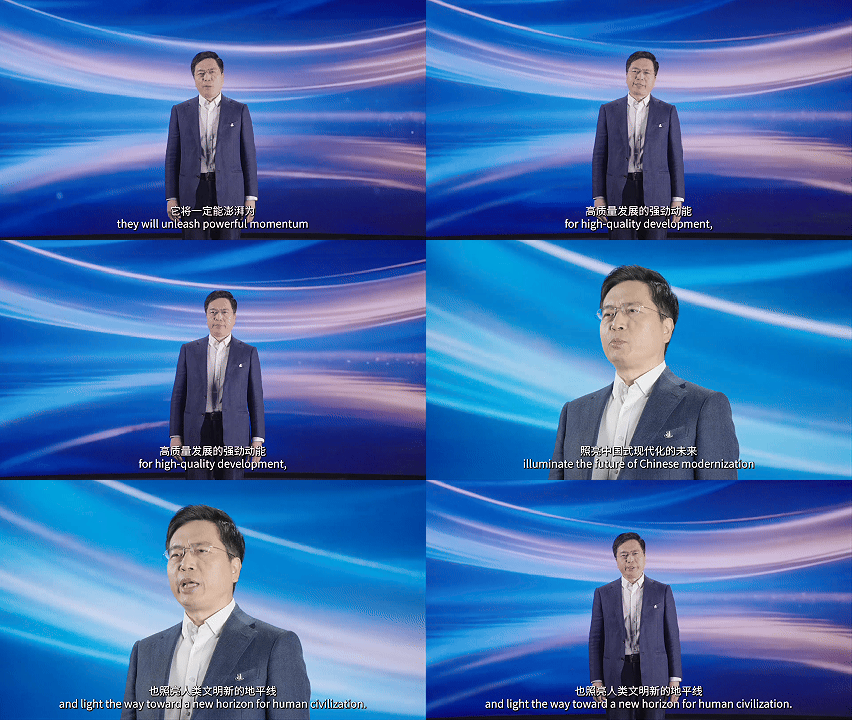
From the AI assistant in the community to industrial AI systems on factory floors and the MAZU solution in the cloud, "AI Plus" brings greater warmth to people's lives, greater depth to industry and greater breadth to civilization.
The "AI Plus" initiative is a profound transformation involving technological pathways, social forms and civilizational values. In this transformation, we must uphold fundamental principles while breaking new ground. We should not only maintain the courage for scientific and technological innovation but also stay true to our original aspiration of putting people first and promoting AI for good. We should not only advance the building of a community with a shared future for humanity but also take steady steps in independent development, contributing Chinese wisdom and Chinese solutions to the progress of human civilization, Zhu said.
(Web editor: Hongyu, Wu Chengliang)