



Lincang City of China's Yunnan integrates coffee industry with rural tourism
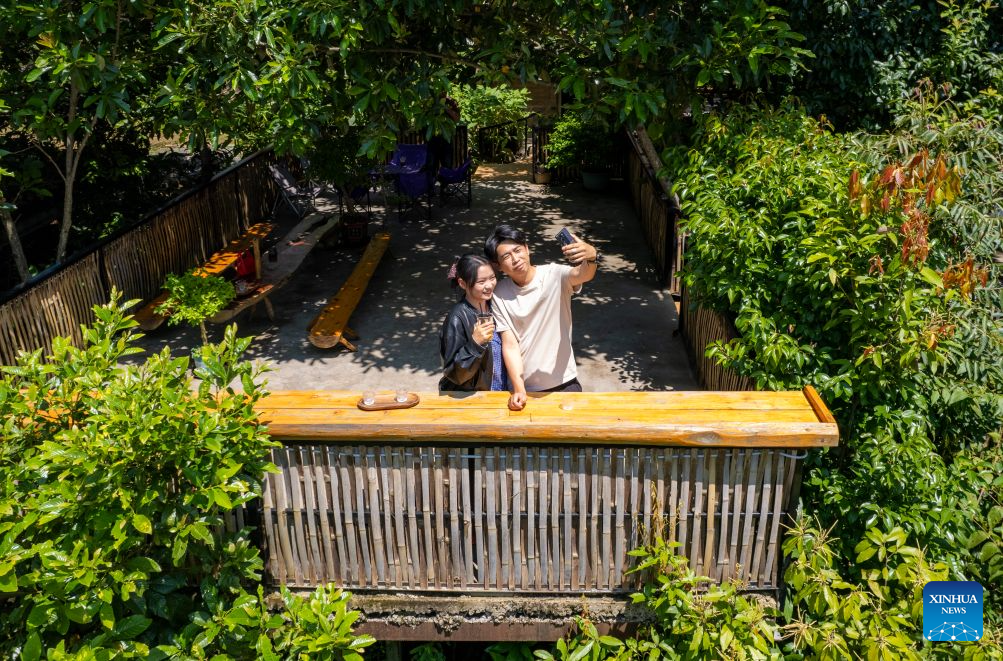
A drone photo shows tourists posing for a selfie at Xigui coffee estate in Xigui Village of Lincang City, southwest China's Yunnan Province on Sept. 13, 2026. As one of the important coffee production areas in Yunnan Province, Lincang City, relying on its unique natural resources, has vigorously developed a business model integrating coffee industry and tourism. Tourists can experience coffee culture in an immersive way at the coffee estates, unlocking new experiences of rural leisure.
By the end of 2025, the coffee planting area in Lincang City had reached approximately 290,000 mu (about 19,333 hectares). The coffee industry is becoming an important engine driving the development of local agricultural, cultural and tourism economy. (Xinhua/Chen Xinbo)
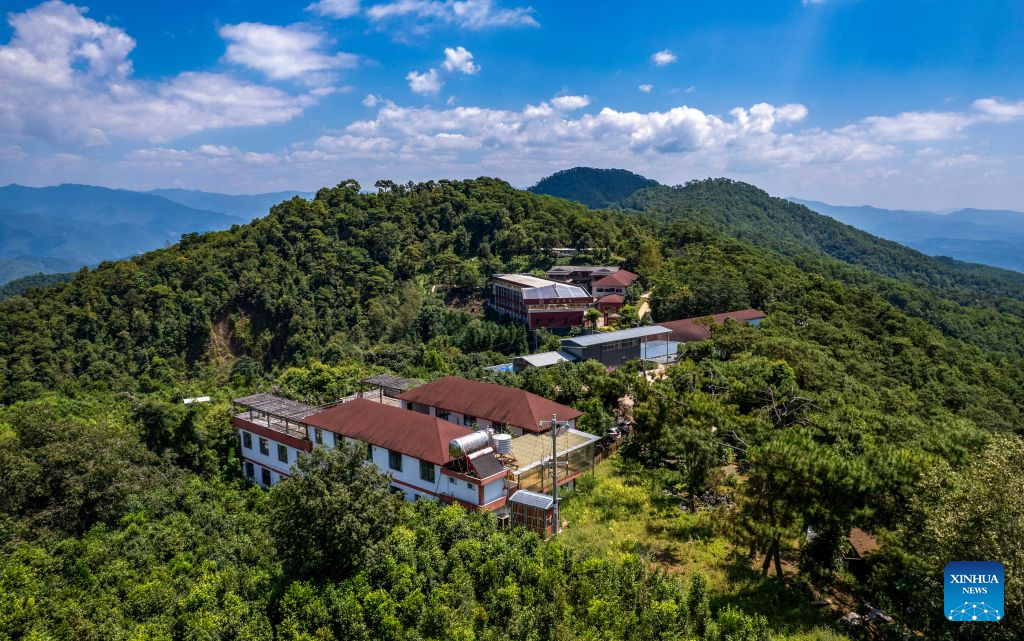
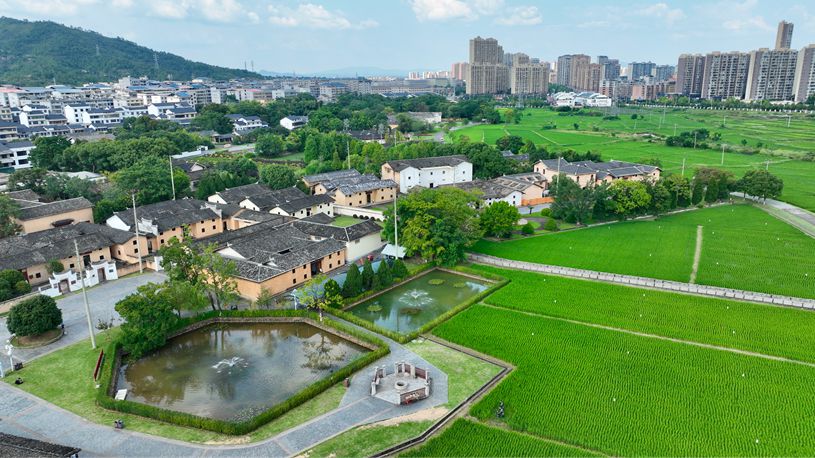
A drone photo taken on Sept. 13, 2026 shows a view of Xigui coffee estate in Xigui Village of Lincang City, southwest China's Yunnan Province. As one of the important coffee production areas in Yunnan Province, Lincang City, relying on its unique natural resources, has vigorously developed a business model integrating coffee industry and tourism. Tourists can experience coffee culture in an immersive way at the coffee estates, unlocking new experiences of rural leisure.
By the end of 2025, the coffee planting area in Lincang City had reached approximately 290,000 mu (about 19,333 hectares). The coffee industry is becoming an important engine driving the development of local agricultural, cultural and tourism economy. (Xinhua/Chen Xinbo)
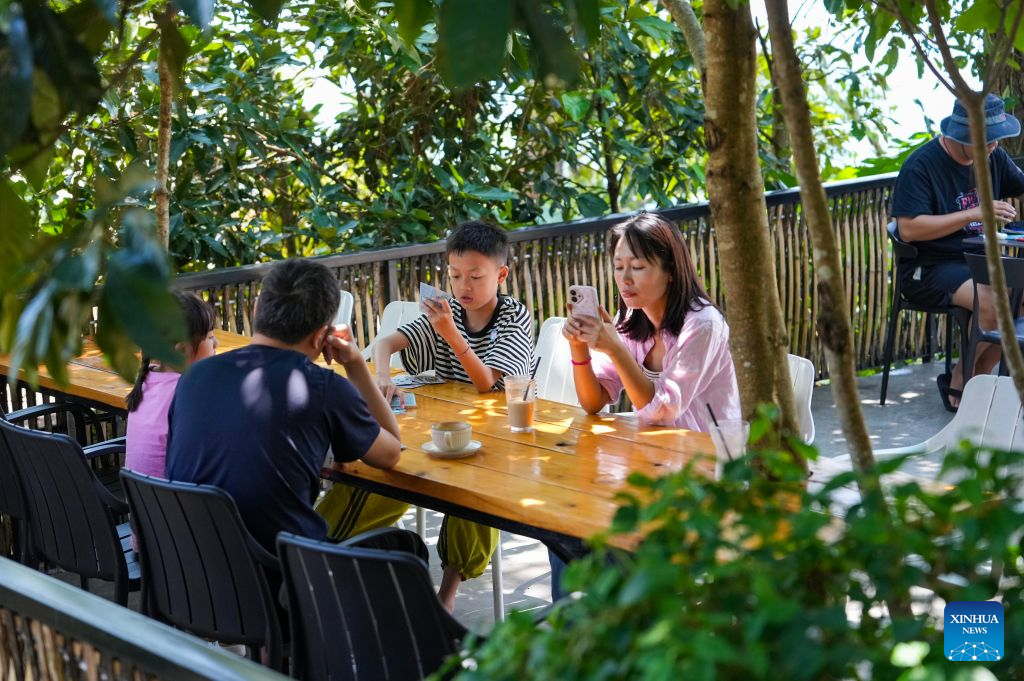
Tourists enjoy leisure time at Xigui coffee estate in Xigui Village of Lincang City, southwest China's Yunnan Province on Sept. 13, 2026. As one of the important coffee production areas in Yunnan Province, Lincang City, relying on its unique natural resources, has vigorously developed a business model integrating coffee industry and tourism. Tourists can experience coffee culture in an immersive way at the coffee estates, unlocking new experiences of rural leisure.
By the end of 2025, the coffee planting area in Lincang City had reached approximately 290,000 mu (about 19,333 hectares). The coffee industry is becoming an important engine driving the development of local agricultural, cultural and tourism economy. (Xinhua/Chen Xinbo)
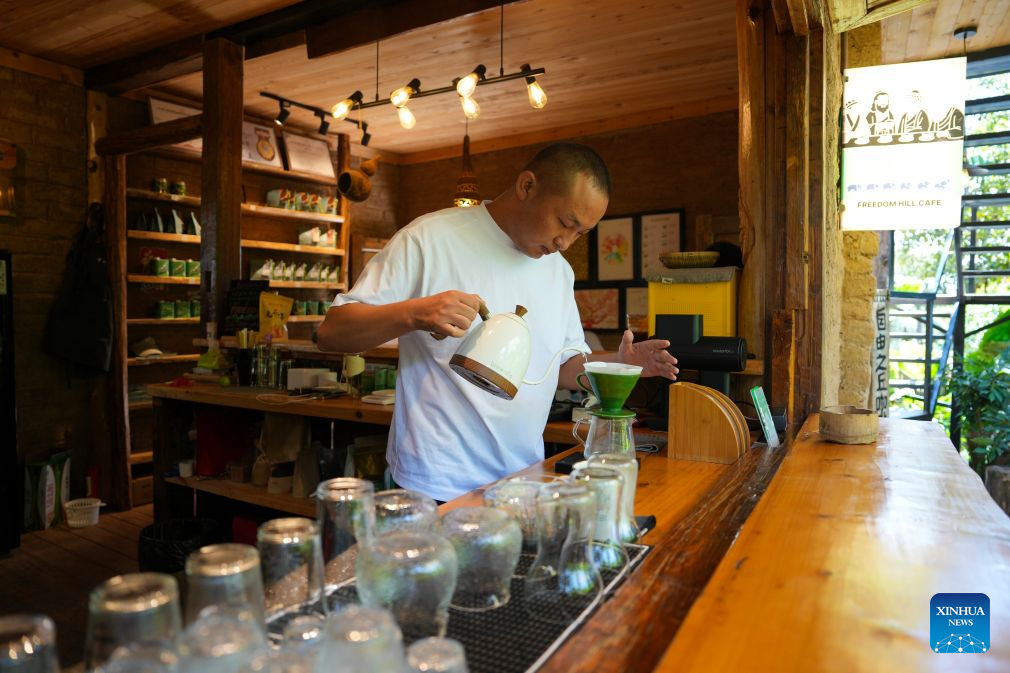
A barista makes coffee for customers at Xigui coffee estate in Xigui Village of Lincang City, southwest China's Yunnan Province on Sept. 13, 2026. As one of the important coffee production areas in Yunnan Province, Lincang City, relying on its unique natural resources, has vigorously developed a business model integrating coffee industry and tourism. Tourists can experience coffee culture in an immersive way at the coffee estates, unlocking new experiences of rural leisure.
By the end of 2025, the coffee planting area in Lincang City had reached approximately 290,000 mu (about 19,333 hectares). The coffee industry is becoming an important engine driving the development of local agricultural, cultural and tourism economy. (Xinhua/Chen Xinbo)
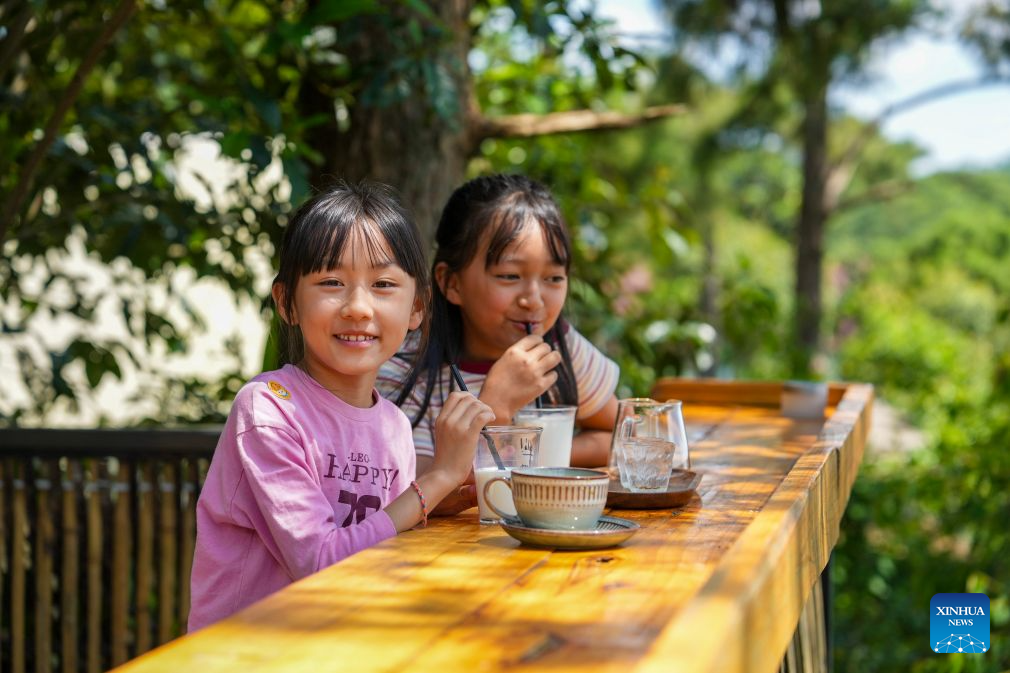
Children enjoy leisure time at Xigui coffee estate in Xigui Village of Lincang City, southwest China's Yunnan Province on Sept. 13, 2026. As one of the important coffee production areas in Yunnan Province, Lincang City, relying on its unique natural resources, has vigorously developed a business model integrating coffee industry and tourism. Tourists can experience coffee culture in an immersive way at the coffee estates, unlocking new experiences of rural leisure.
By the end of 2025, the coffee planting area in Lincang City had reached approximately 290,000 mu (about 19,333 hectares). The coffee industry is becoming an important engine driving the development of local agricultural, cultural and tourism economy. (Xinhua/Chen Xinbo)
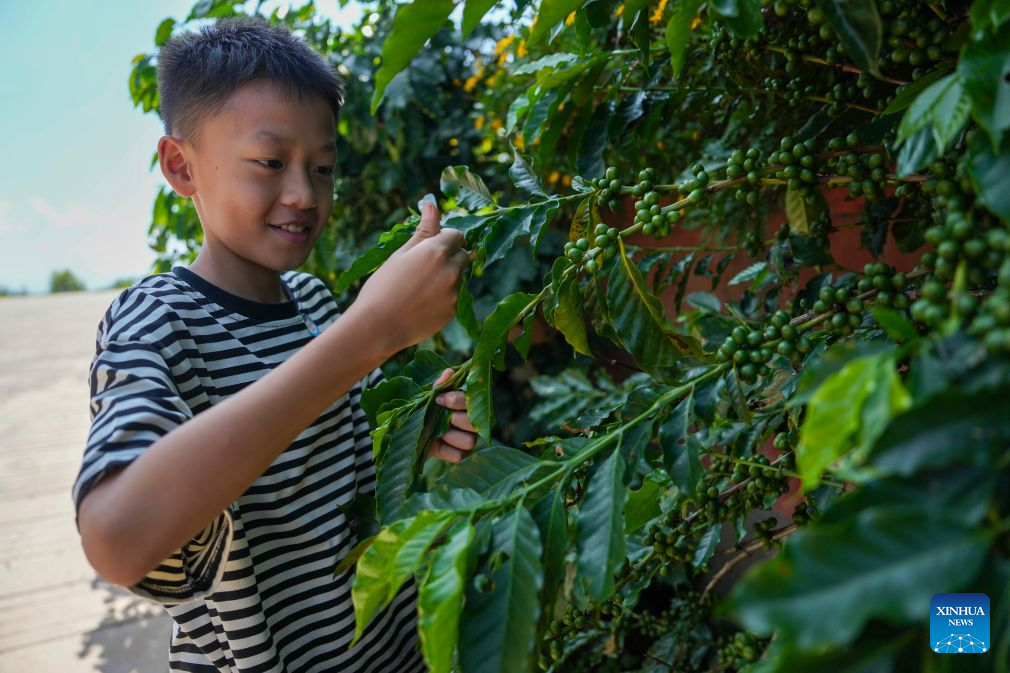
A child looks at coffee cherries in Xigui Village of Lincang City in southwest China's Yunnan Province on Sept. 13, 2026. As one of the important coffee production areas in Yunnan Province, Lincang City, relying on its unique natural resources, has vigorously developed a business model integrating coffee industry and tourism. Tourists can experience coffee culture in an immersive way at the coffee estates, unlocking new experiences of rural leisure.
By the end of 2025, the coffee planting area in Lincang City had reached approximately 290,000 mu (about 19,333 hectares). The coffee industry is becoming an important engine driving the development of local agricultural, cultural and tourism economy. (Xinhua/Chen Xinbo)
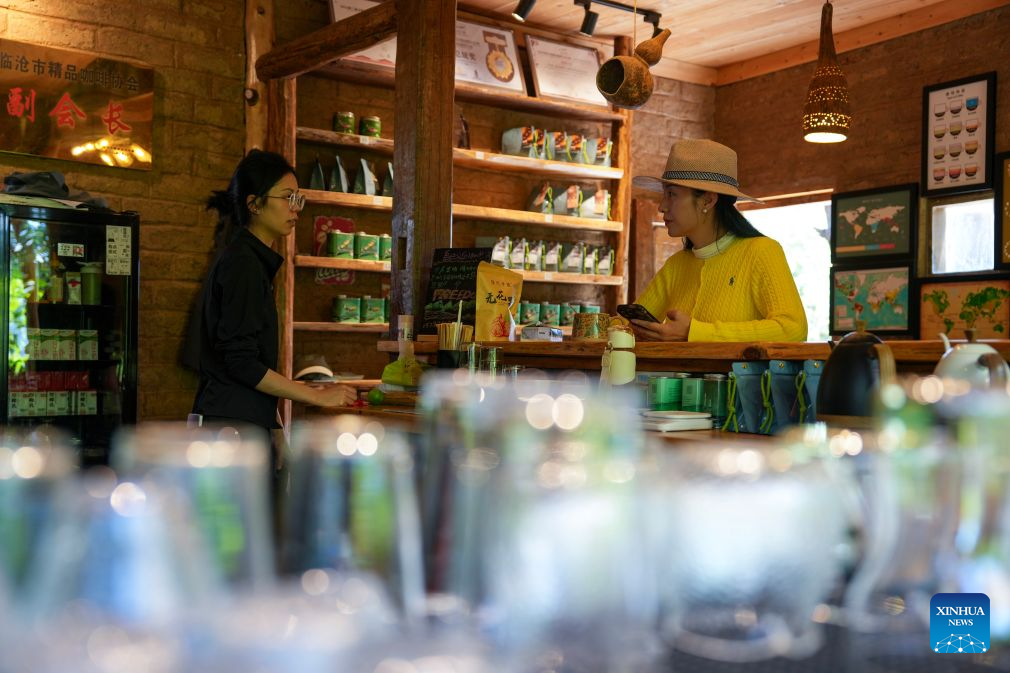
A tourist (R) enjoys coffee at Xigui coffee estate in Xigui Village of Lincang City, southwest China's Yunnan Province on Sept. 13, 2026. As one of the important coffee production areas in Yunnan Province, Lincang City, relying on its unique natural resources, has vigorously developed a business model integrating coffee industry and tourism. Tourists can experience coffee culture in an immersive way at the coffee estates, unlocking new experiences of rural leisure.
By the end of 2025, the coffee planting area in Lincang City had reached approximately 290,000 mu (about 19,333 hectares). The coffee industry is becoming an important engine driving the development of local agricultural, cultural and tourism economy. (Xinhua/Chen Xinbo)
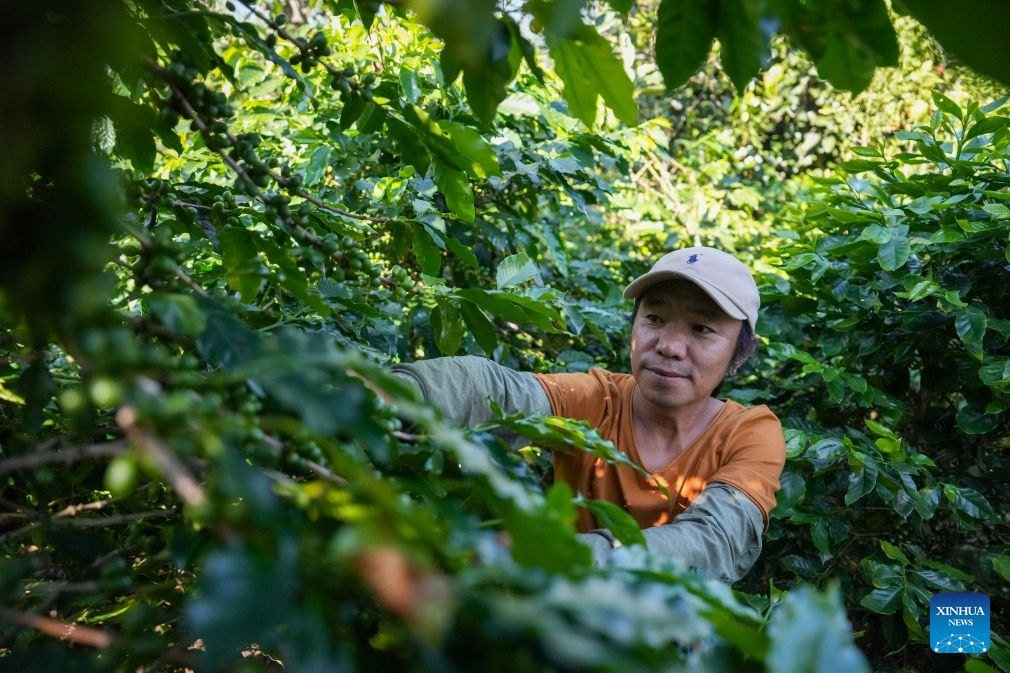
Zhu Hong, curator of Xigui coffee estate, inspects the growth of coffee cherries in Xigui Village of Lincang City, southwest China's Yunnan Province on Sept. 13, 2026. As one of the important coffee production areas in Yunnan Province, Lincang City, relying on its unique natural resources, has vigorously developed a business model integrating coffee industry and tourism. Tourists can experience coffee culture in an immersive way at the coffee estates, unlocking new experiences of rural leisure.
By the end of 2025, the coffee planting area in Lincang City had reached approximately 290,000 mu (about 19,333 hectares). The coffee industry is becoming an important engine driving the development of local agricultural, cultural and tourism economy. (Xinhua/Chen Xinbo)
Photos



Related Stories
Copyright © 2026 People's Daily Online. All Rights Reserved.
