



Middle route of China's mega water diversion project hits new service milestone
BEIJING, Aug. 7 (Xinhua) -- The middle route of China's South-to-North Water Diversion Project has delivered more than 80 billion cubic meters of water as of Friday, benefiting nearly 118 million residents in 27 cities, the project operator announced.
The mega water transfer project, the largest of its kind globally, channels water over long distances from the country's water-rich south to its northern regions, where hundreds of millions once endured "absolute water scarcity" as defined by United Nations standards.
After operating for nearly 12 years, the middle route has helped rebalance water resources, secure drinking water supplies, restore aquatic ecosystems, and reinforce national water security, according to the China South-to-North Water Diversion Corporation.
The impact has been particularly pronounced in Beijing, where diverted water now accounts for nearly 80 percent of the capital's urban water supply. In neighboring Hebei Province, the combined population of the water recipient areas accounts for about 70 percent of the province's total.
The project's middle route has consistently maintained surface water quality at Class II or above, reversed the long-term decline of groundwater levels, and continued to improve river and lake ecosystems in north China, the operator said.
It has also provided critical water support for drought relief, irrigation and food security, while creating broader space for urban development and industrial layout optimization.
Designed with three routes, the South-to-North Water Diversion Project stretches across four of China's major river basins: the Yangtze, Huaihe, Yellow and Haihe.
The eastern route leverages ancient canals, starting from the city of Yangzhou in east China's Jiangsu Province, and uses 13 pumping stations to lift water.
On the other hand, the middle route relies on gravity to transport water from the Danjiangkou Reservoir, primarily located in central China's Hubei Province, to regions such as Henan, Hebei, Beijing and Tianjin.
Photos
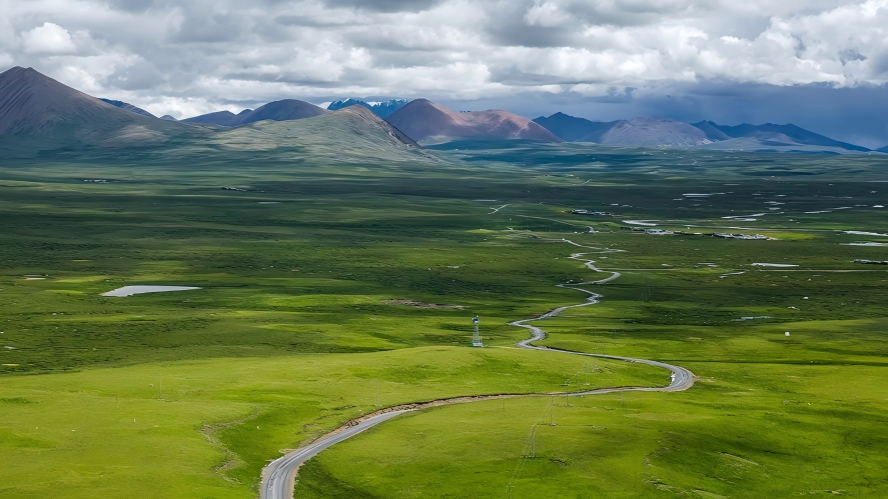 Ecological beauty of Mitika wetland in SW China's Xizang
 Immersive experiences increasingly popular amid China's summer travel boom
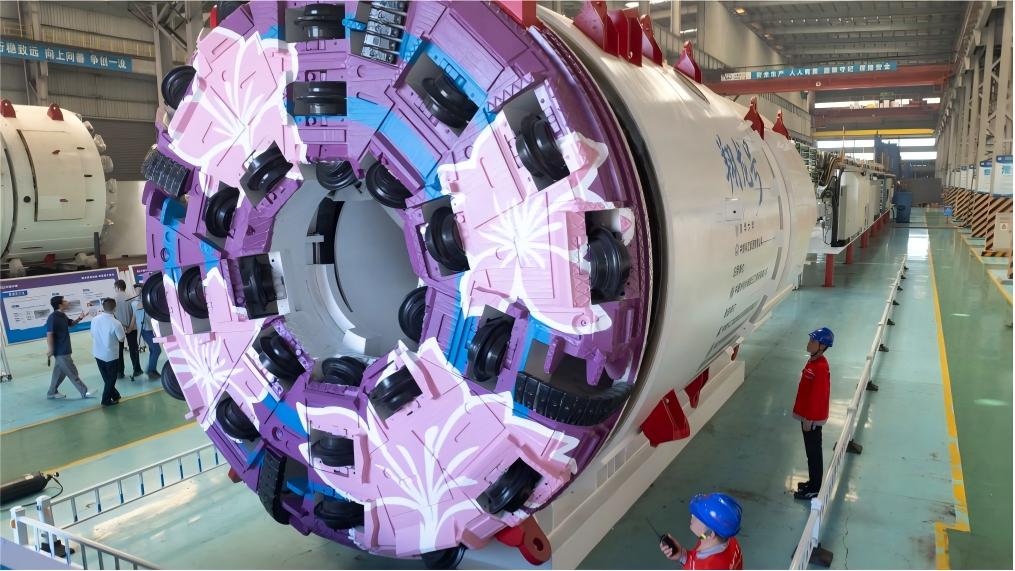 China's first boring and blasting machine rolls off production line in Wuhan, China's Hubei
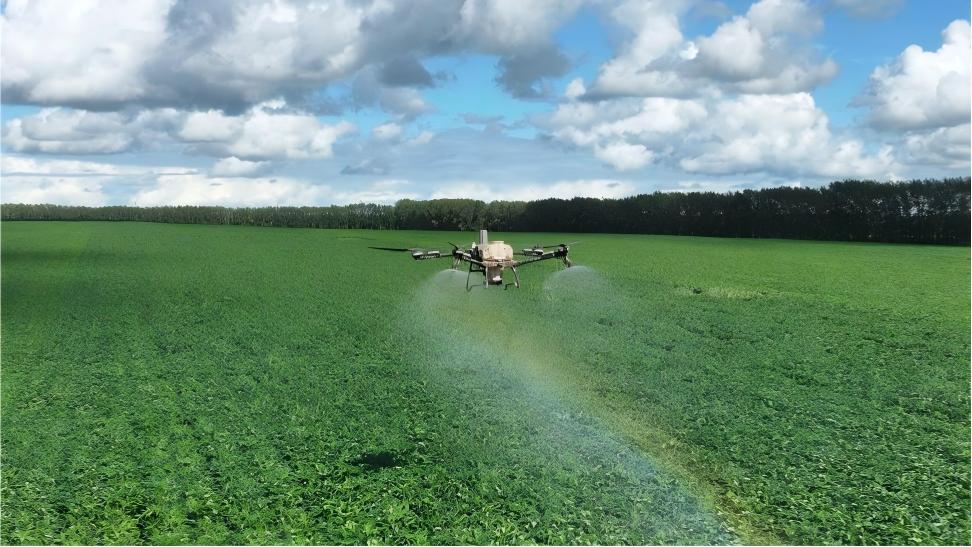 Aerial crop protection operations launched in fields of NE China's Heilongjiang
Related Stories
- China's water conservancy investment exceeds 515 bln yuan in H1
- Chinese vice premier stresses advancing biomedicine, modern water network development
- China reports improving water use efficiency in 2025
- China's 2025 urban recycled water utilization exceeds 22 billion cubic meters
- China's rural tap water coverage reaches 96 pct by end-2025
- Chinese vice premier stresses modernization of water networks, safeguarding rivers
- China builds comprehensive groundwater monitoring system
- China builds world's largest water infrastructure system
- China prioritizes water conservation industry for sustainable growth
- China aims to cut water use per 10,000 yuan of GDP by over 10 pct by 2030
Copyright © 2026 People's Daily Online. All Rights Reserved.
