



Zhengzhou: making it easier for young entrepreneurs to succeed
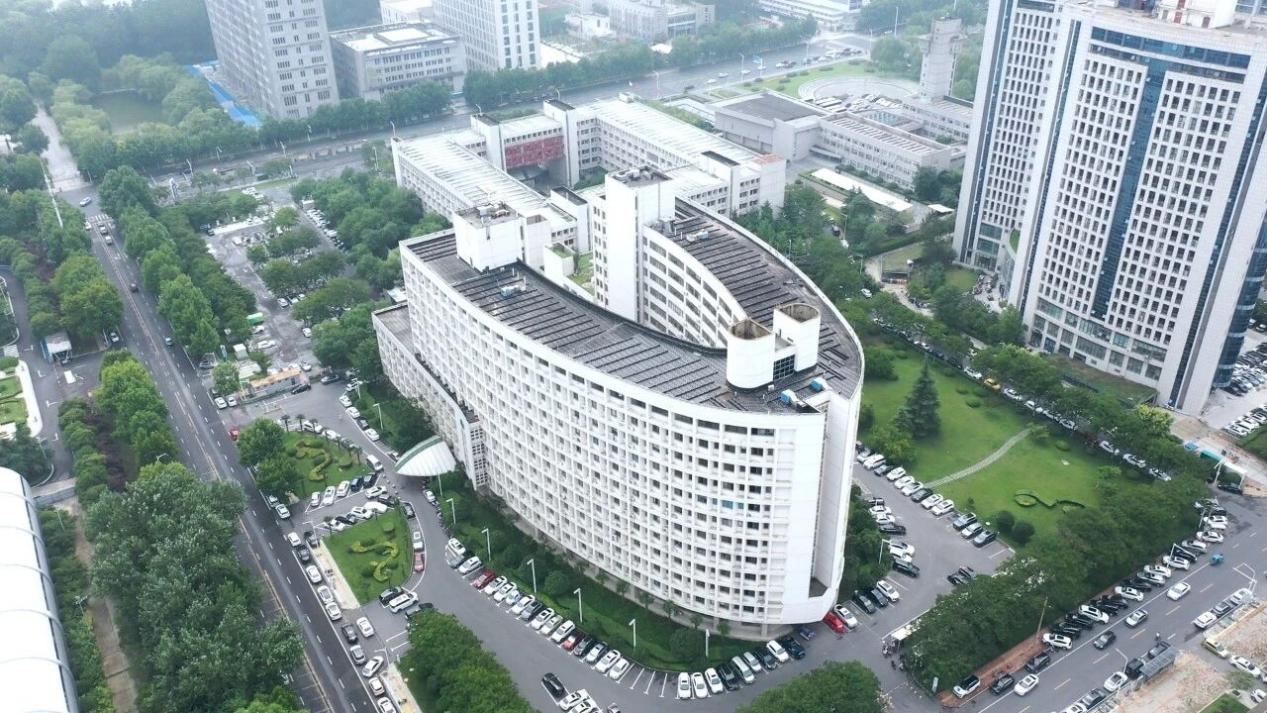
Photo shows the entrepreneur center in Zhengzhou High-tech Industrial Development Zone, Zhengzhou, central China's Henan province. (Photo provided by Zhengzhou High-tech Industrial Development Zone)
In Zhengzhou, capital of central China's Henan province, a growing number of young entrepreneurs are turning their ideas into viable businesses, thanks to a supportive ecosystem that removes many of the common barriers to starting up.
Du Zhenyang, 30, exemplifies this trend. Leading a team focused on AI-powered drone technologies within the Zhengzhou High-tech Industrial Development Zone, he is striving for breakthroughs in AI automation. His company's heavy-lift drones now serve over 500 clients.
Du's passion for drones ignited during his studies at Zhengzhou University. The entrepreneurial spark persisted after graduation. Despite spending two years working in Beijing, he ultimately chose to return home to launch his venture.
Like many young founders, Du faced concerns: securing workspace, funding, assembling a team, and accessing markets all seemed formidable. Talent shortages, financing difficulties, and limited market access often discourage aspiring entrepreneurs at the outset.
Bracing for setbacks, Du was pleasantly surprised by a smoother-than-expected journey. The initial challenge of finding office and research space was swiftly resolved. With coordination from Zhengzhou University and the local government, his team was granted two years of free access to university lab. The Zhengzhou High-tech Industrial Development Zone also provided well-equipped office space at favorable rates through government-backed incubators.
Securing designated airspace for test flights was another hurdle. Du submitted an application, and the Zone worked with local schools to set aside unused areas on campus for testing. For extreme high-altitude trials, the Zone coordinated with Zhengzhou Shangjie Airport to secure access to new flight zones. "I anticipated navigating everything alone, but the government streamlined the process," Du remarked.
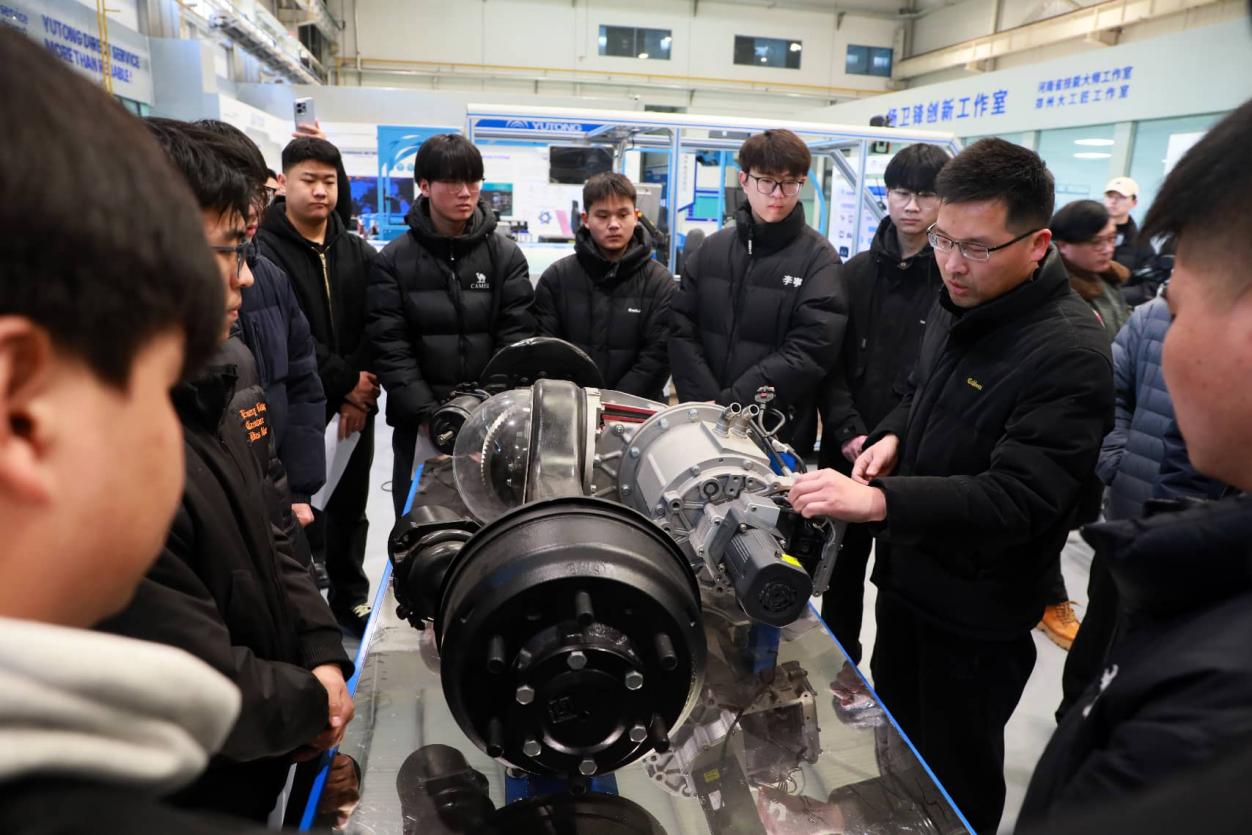
A teacher from Henan Mechanical and Electrical Vocational College instructs students on the structure of automotive electric drive axles at a training center of Yutong, a Chinese manufacturer of commercial vehicles, in Zhengzhou, central China's Henan province. (Photo/Shi Guangming)
With facilities secured, research progressed until a shortage of specialized talent emerged as the next bottleneck. Drone development spans multiple disciplines; while Du specialized in flight control software, his team lacked structural design expertise.
During routine visits, local officials identified similar challenges among startup teams. In response, relevant officials worked with Zhengzhou University and the city's human resources authorities to provide targeted support. Six experts from different fields were brought in to offer hands-on guidance, helping the team overcome technical hurdles. Meanwhile, recruitment platforms helped attract more skilled professionals.
"Talents are willing to join us thanks to Zhengzhou's subsidies and housing support," said Du. Young people with college degrees or above can apply directly for talent apartments. Internship subsidies and social insurance contributions have also significantly reduced the company's labor costs, he added.
The company launched its first self-developed drone in 2022, followed by a heavy-lift model in 2023. But as the products entered the market, new challenges emerged.
Once again, local authorities stepped in -- connecting Du's company with established firms, linking it to industry resources, and helping build a sales network.
"Government support was crucial in turning our research into real products," Du said. Today, his drones are widely used in photovoltaic panel cleaning, mountainous logistics, and industrial inspection, becoming a leading example in the region's drone sector.
Du's experience reflects Zhengzhou's broader efforts in recent years to support young innovators and entrepreneurs. By addressing weak links and improving services, the city is fostering a mutually reinforcing relationship between talent and urban development.
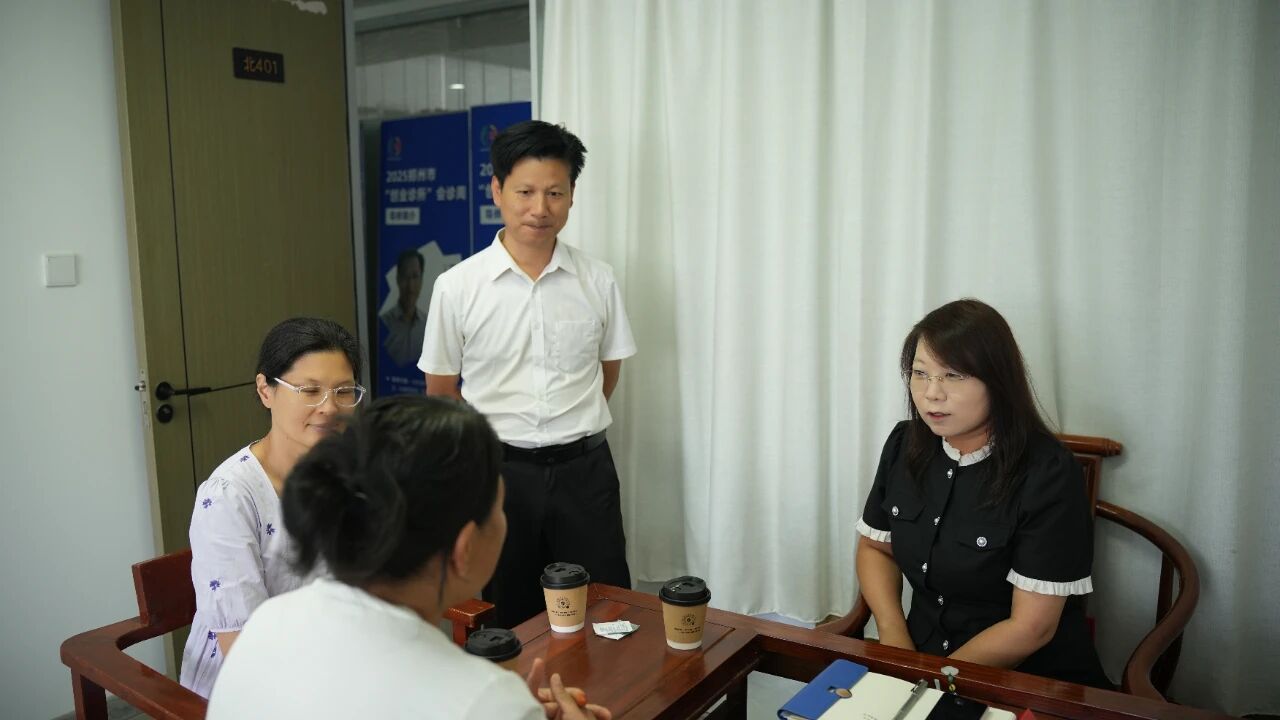
A salon is held in Zhengzhou, central China's Henan province, where entrepreneurship mentors offer guidance for young entrepreneurs. (Photo from Zhengzhou Media Group)
Zhengzhou has built 292 startup incubators, established 374 designated vocational training institutions that have provided tailored training to nearly 1.19 million participants, and set up five entrepreneurship service stations.
The city has also secured over 201,000 units of talent housing and deployed 96 entrepreneurship mentors to provide ongoing guidance. Financial support has been strengthened through dedicated platforms, with 667 million yuan ($97.06 million) in technology loans and 3.09 billion yuan in startup-guarantee loans issued to date.
According to local officials, since 2022, Zhengzhou has attracted 992,000 young talents and incubated 15,000 enterprises. "Going forward, we will continue to ensure policy implementation, improve targeted support services, and optimize the business environment to attract even more talent," an official said.
Photos



Related Stories
- Micro dramas create, deliver success stories in central China village
- Henan intensifies efforts for higher-level opening-up
- Spring crop management becomes smarter in C China's Henan
- Pet industry thrives in Luohe, C China's Henan
- Hanfu robes on the slopes showcase living history
- Convenience store blackboard turns 'national reading' into spiritual shelter
- Royal tomb offers clues to China's earliest wildlife menagerie
- Feature: Noodle shop run by hearing-impaired opens door to world beyond silence
- China's Dikengyuan residence attracts tourists
- Chinese county sparkles into diamond powerhouse
Copyright © 2026 People's Daily Online. All Rights Reserved.
