



Yellowhorn brings new promise to Inner Mongolia's sandy lands
HOHHOT, Sept. 23 (Xinhua) -- For Tong Anran, after two and a half years on a stretch of Horqin sandy land in north China, one thing stands out: the wind isn't as strong as it used to be.
Since 2024, Tong, a technician with a forestry development company, has spent most of his days at a yellowhorn planting base in Haolibao Gacha, north China's Inner Mongolia Autonomous Region.
He has watched the seedlings take root in the sand and grow through regular maintenance, from weeding and watering to pest and disease control, witnessing the land's transformation along the way.
"It used to be nothing but sandy land here. When the wind blew, sand would fill the air," Tong recalled.
Now, it's not the wind that has changed; it's the land it blows across.
In recent years, local authorities have adopted a combination of measures, including fencing, land leveling, well drilling, drip irrigation and replanting, to control desertification. Some 308,200 yellowhorn trees have been planted across 4,600 mu (about 307 hectares) of the sandy land in the village.
"Yellowhorn is highly tolerant of cold, drought and poor soils, making it well suited to the area's conditions," Tong said, adding that the project has now entered the maintenance stage, with ensuring the survival of the planted trees the main focus of ongoing work.
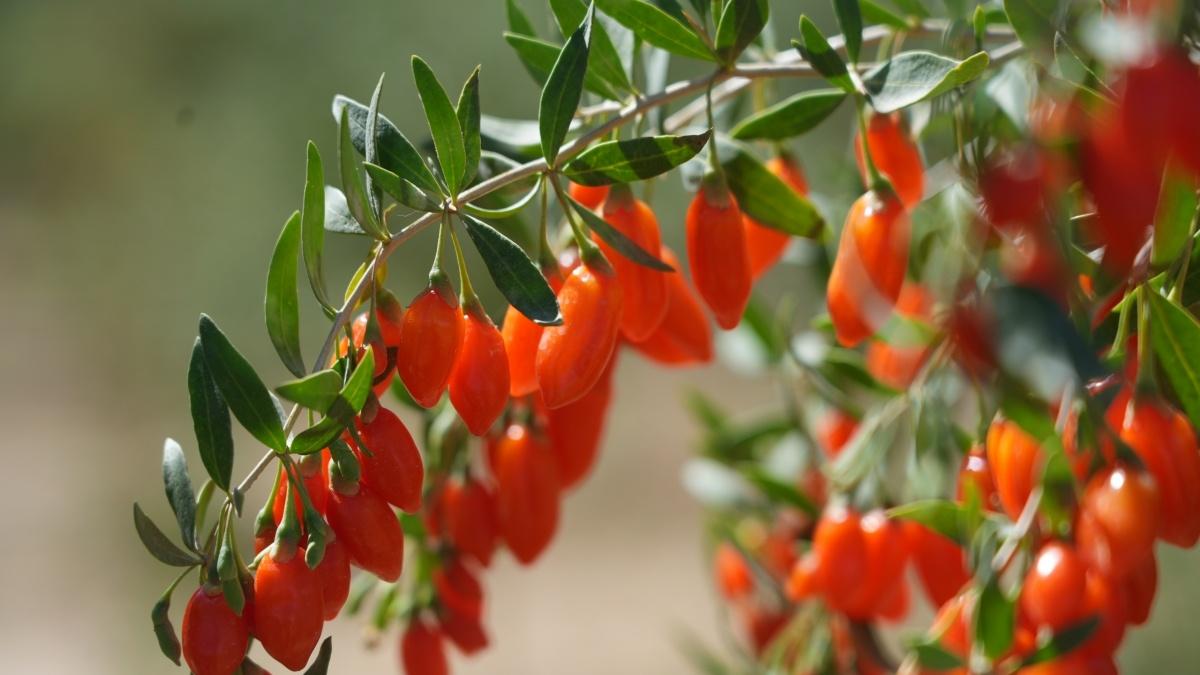
Yellowhorn, a unique oilseed tree found in China, serves a variety of purposes. "Its seeds can be pressed for oil, its leaves can be made into tea, and its branches can be used for medicinal purposes," said Wang Liwei, the first Party secretary stationed in the gacha by the Inner Mongolia Academy of Agricultural and Animal Husbandry Sciences.
Haolibao Gacha is located in Horqin Right Wing Middle Banner, an important area in the efforts to control desertification in the Horqin sandy land.
Efforts to combat desertification there form part of the three major battlefronts of China's Three-North Shelterbelt Forest Program, a decades-long effort to curb desertification across northern China.
Across the Three-North region, a range of approaches has been adopted, including integrating solar power generation with desertification control, building roads across sandy areas, and developing plant varieties better suited to harsh conditions.
From 2021 to 2025, China treated a total of 152 million mu of desertified land, as desertification continued to recede and ecological conditions in affected areas improved, according to the National Forestry and Grassland Administration.
Local residents have become both participants and beneficiaries in the desertification-control effort.
Haolibao Gacha has partnered with the company that trains farmers and herders and works with them to maintain the trees for three years. Once the trees pass inspection, including their survival rate exceeding 90 percent, long-term maintenance will be handed over to the village, local authorities said.
Over the past years, the village has organized five teams for manual labor, machinery operations, seedling transportation, watering, and patrol and maintenance. The teams have logged more than 4,160 person-times of labor, generating 1.57 million yuan (about 233,000 U.S. dollars) in additional income for villagers.
Working side by side and helping one another has brought people together, while giving the sandy land a better chance of turning green, said villager Shan Liyou.
Horqin Right Wing Middle Banner is home to 30 ethnic groups, including the Han, Mongolian, Manchu and Korean ethnic groups. Ethnic minority residents account for nearly 90 percent of its total population.
For villagers in Haolibao Gacha, the immediate returns come from the wages earned through their work in desertification control. Longer-term gains, however, depend on the yellowhorn trees reaching full production.
At present, most of the yellowhorn produced at the base is sold as raw material, leaving room for further development of the industrial chain, Wang said, adding that his research team is exploring processed yellowhorn products to further tap the tree's economic potential.
Next spring, the three-year partnership comes to an end and the trees will be handed over to the village, just as their branches are once again covered with red and white flowers. "It will be beautiful," Wang said.
The yellowhorn seeds, he added, look like pomegranate seeds. "They symbolize different ethnic groups coming together to build a better life."
Photos


Related Stories
- Autumn mist blankets Ergun Wetland in Inner Mongolia
- Hay bales like Swiss rolls dot grasslands in Inner Mongolia
- Autumn charm draws tourists to scenic areas in Kubuqi Desert, N China's Inner Mongolia
- Magnificent aerial views of red-hued Dahong Mountain in N China's Inner Mongolia
- Feature: Dance, volunteering weave a tighter bond in China's Inner Mongolia community
Copyright © 2026 People's Daily Online. All Rights Reserved.
