



Goji berry industry thriving in NW China's Qinghai
It is now harvest season for goji berries in the Qaidam Basin, northwest China's Qinghai Province. As far as the eye can see, vast stretches of goji berry fields form a sea of red stretching toward the foot of the Kunlun Mountains, with ruby-like goji berries hanging from the branches.
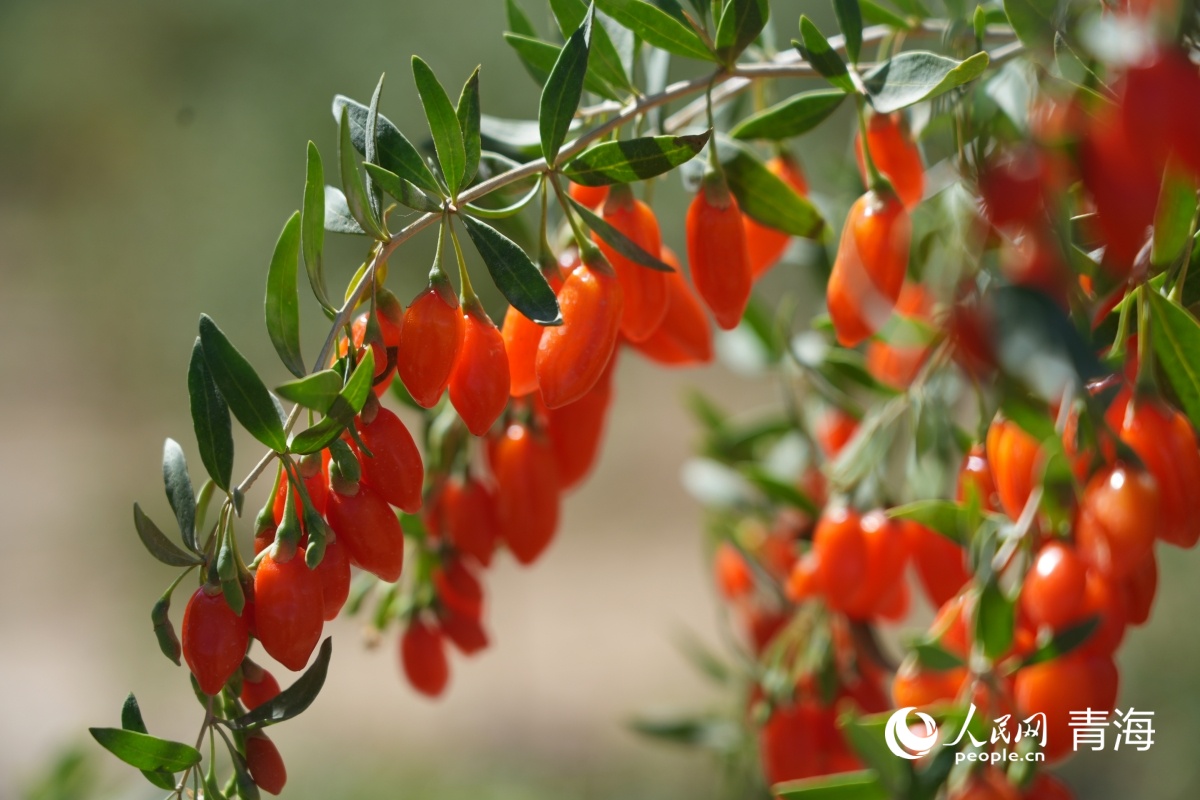
Goji berries cluster on the branches in the Qaidam Basin, northwest China's Qinghai Province. (People's Daily Online/Yang Qihong)
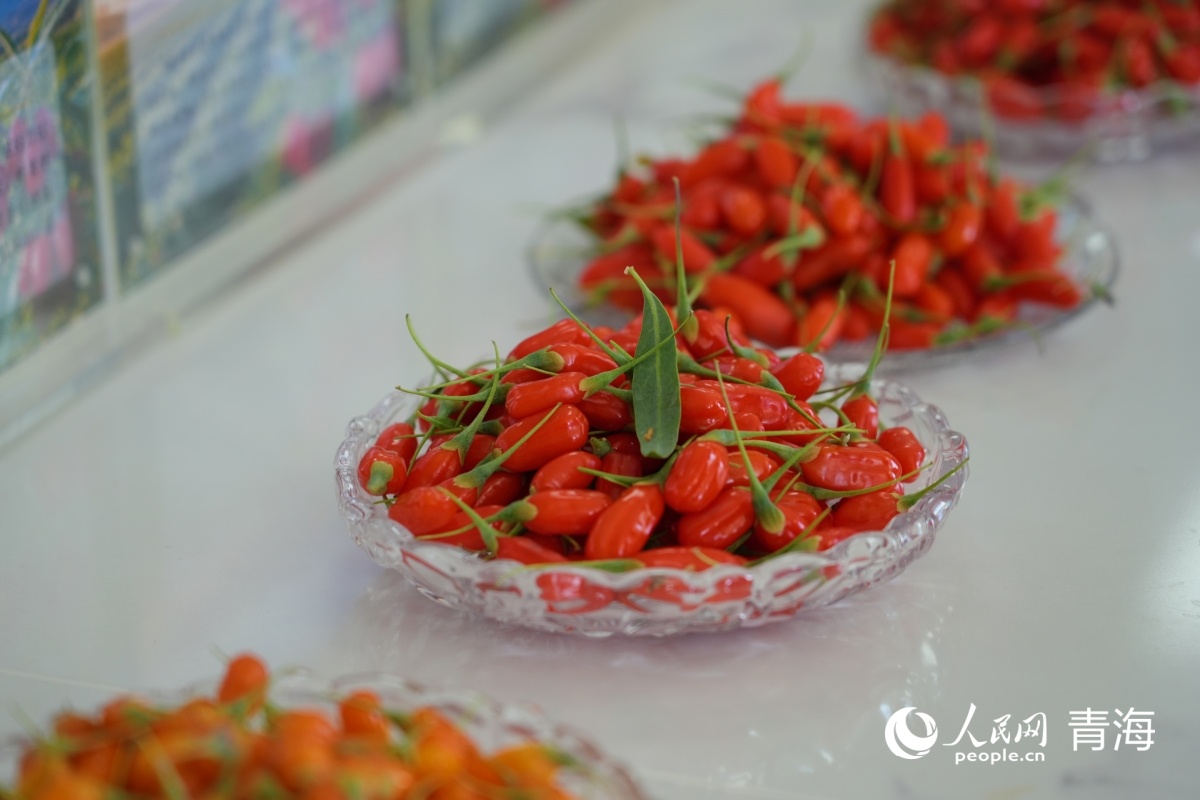
Photo shows fresh goji berries. (People's Daily Online/Yang Qihong)
From the fields to the marketplace, this plateau crop is supported by an increasingly complete industrial chain.
In Golmud, Haixi Mongolian and Tibetan Autonomous Prefecture, a goji berry planting base can supply 3 million high-quality cuttings and 1.5 million bare-root seedlings a year, laying a solid foundation for quality at the source.
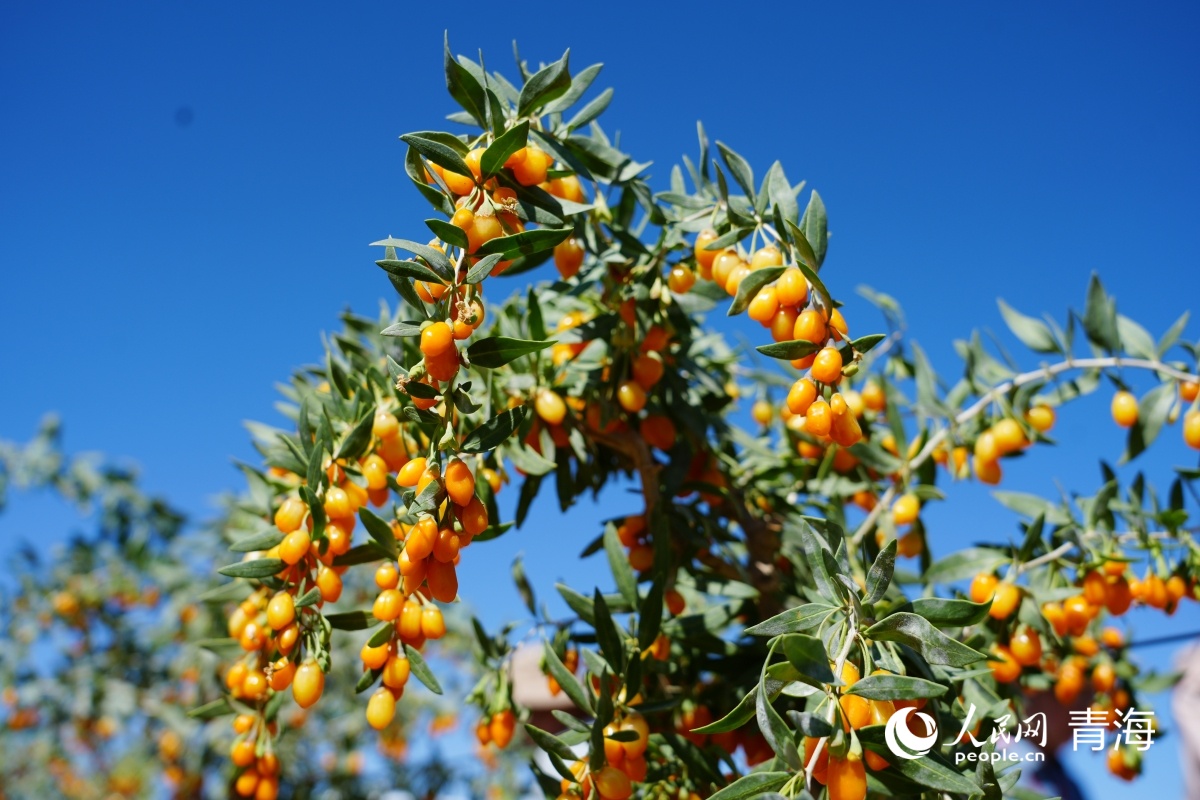
Photo shows yellow goji berries. (People's Daily Online/Yang Qihong)
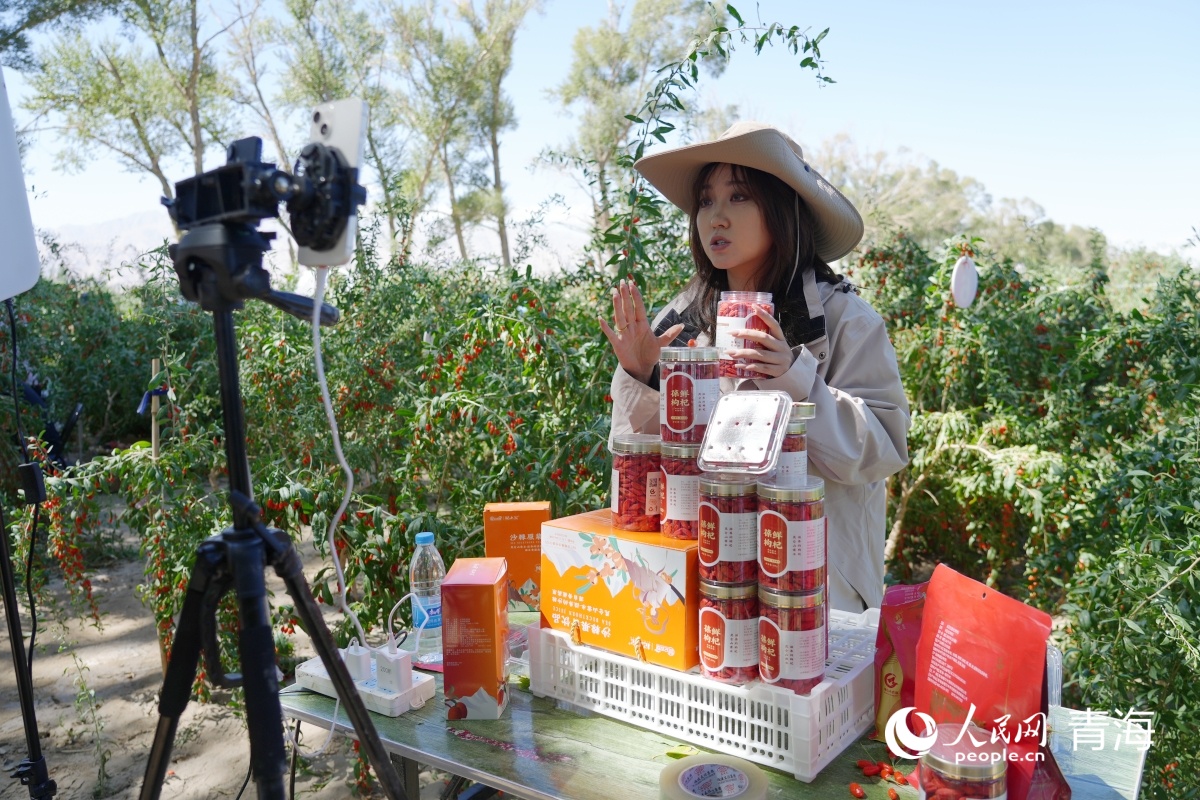
A livestreamer promotes goji berries from the edge of a goji berry field in northwest China's Qinghai Province. (People's Daily Online/Yang Qihong)
Fresh goji berries picked in the fields are sent to processing facilities immediately. A local goji berry drying plant is equipped with four hot-air drying lines and one energy-efficient drying line, with a daily processing capacity of 16 tonnes of fresh goji berries. This has helped address the shortcomings in primary processing, ensure consistent quality of dried goji berries and reduce losses caused by delays in drying.
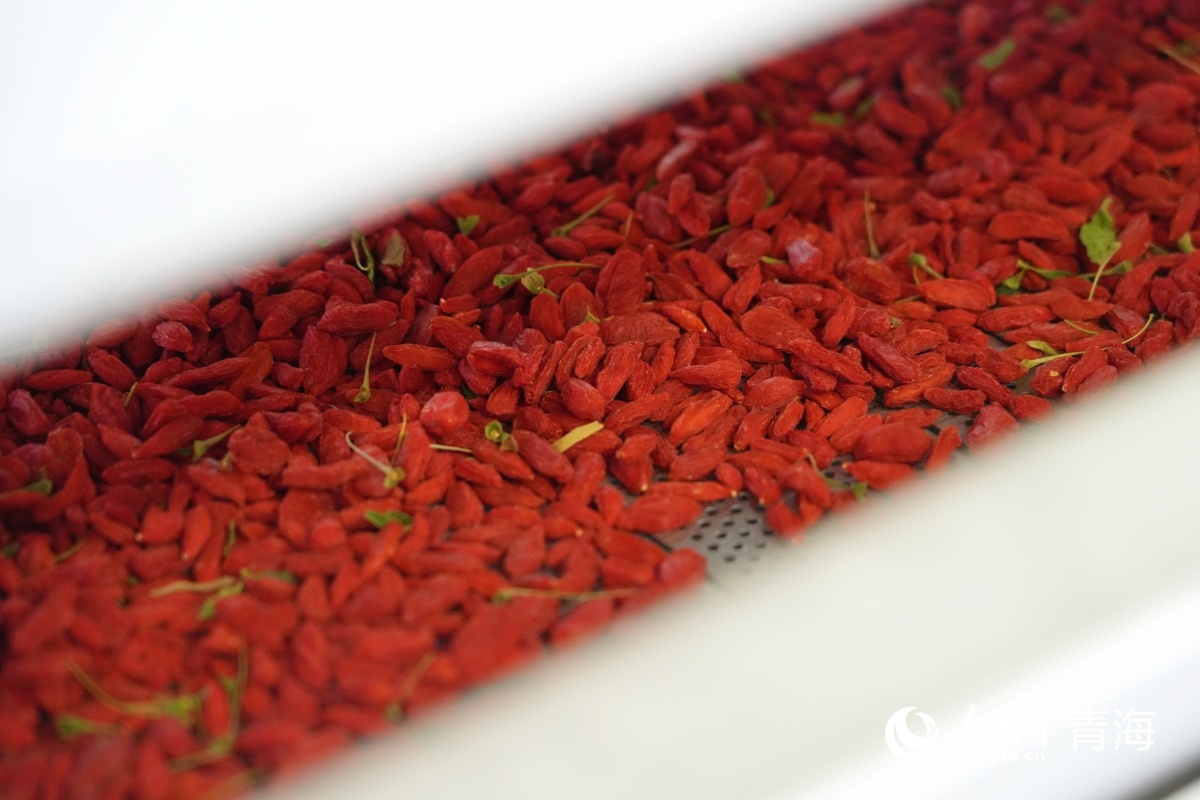
Photo shows dried goji berries. (People's Daily Online/Yang Qihong)
Deep processing is adding greater value to the industrial chain. At a specialty bioindustrial park in Golmud, a fresh-locking production line uses low-temperature vacuum pulsation technology to preserve the color, aroma and active nutrients of fresh goji berries to the greatest extent possible.
Golmud now has built 211 deep-processing production lines for fresh-locked berries, puree and protein powder, along with more than 2,000 drying sheds and over 3,300 square meters of cold-chain storage facilities.
Even discarded goji berry branches are put to good use. A local recycling company turns pruned branches into biomass pellet fuel while also producing pellet feed for cattle and sheep. This enables the recycling of agricultural and forestry waste and opens up a new path toward a green, circular industry.
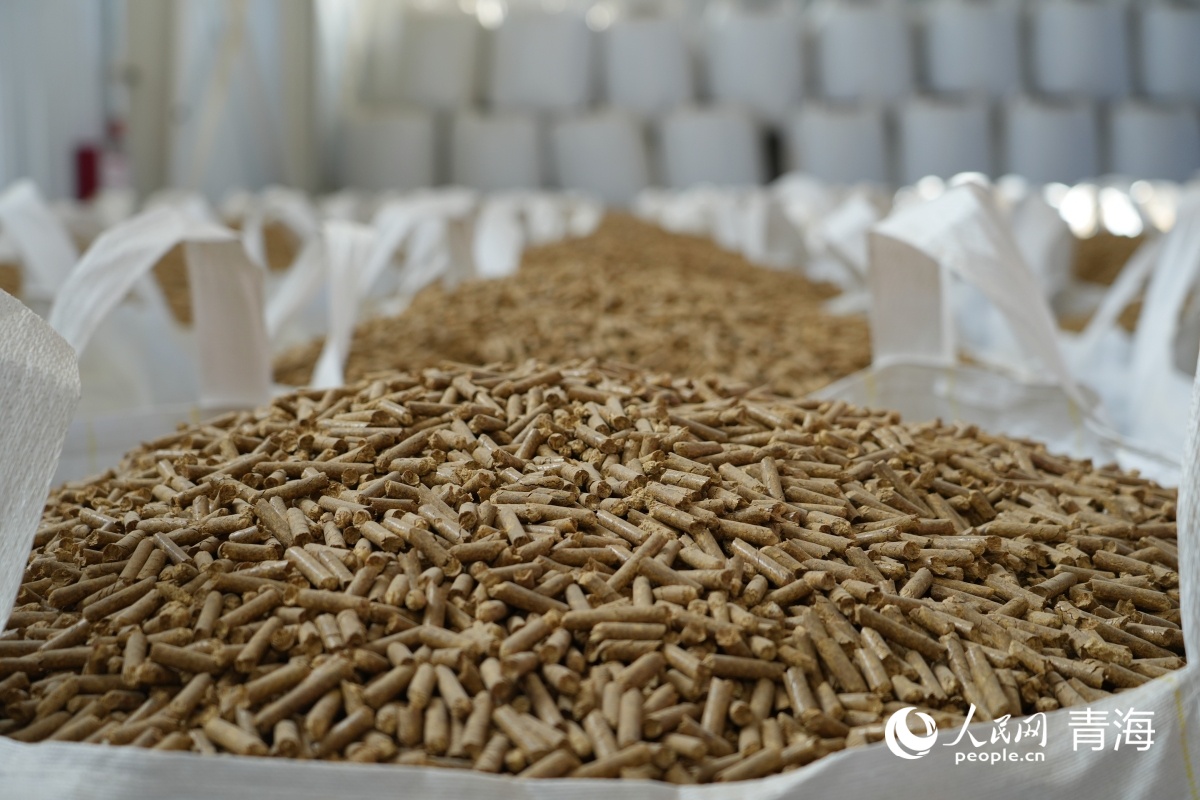
Photo shows biomass pellet fuel. (People's Daily Online/Yang Qihong)
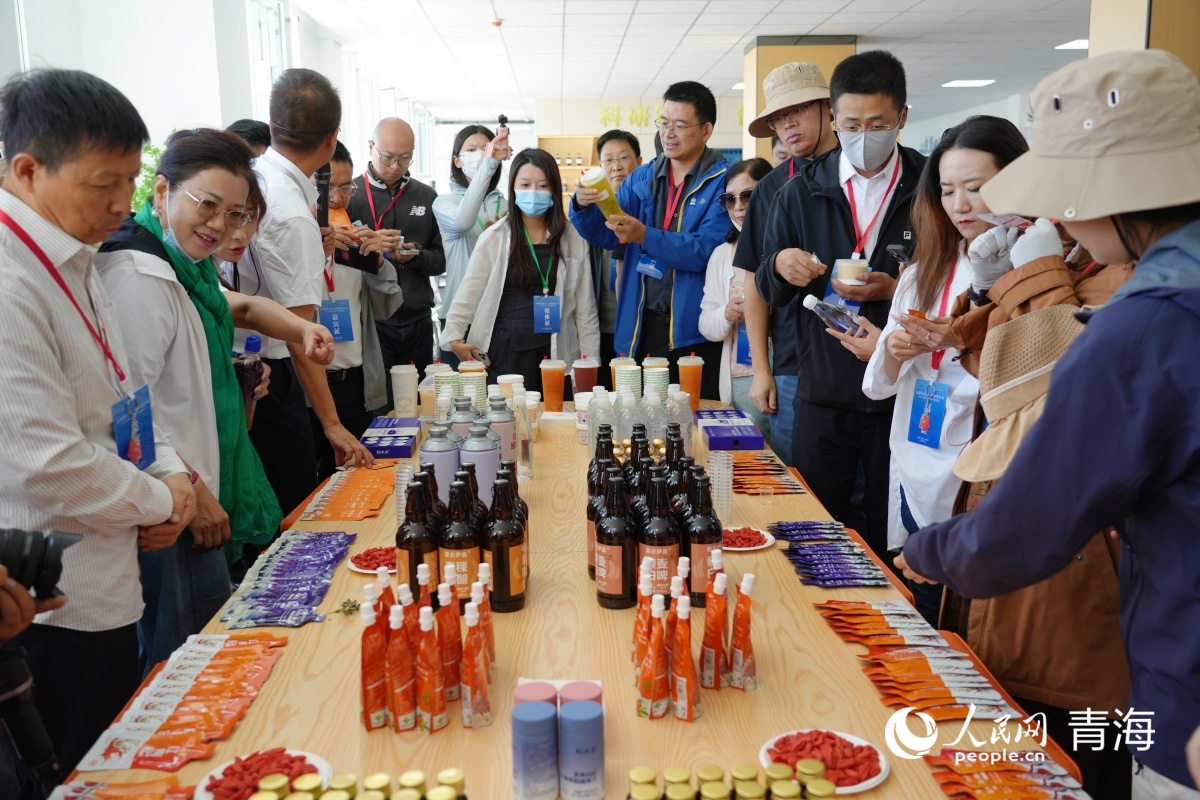
Business representatives learn about goji berry products developed in northwest China's Qinghai Province. (People's Daily Online/Yang Qihong)
In 2025, goji berry plantations in Haixi covered 437,300 mu (about 29,153 hectares), accounting for 97.9 percent of Qinghai's total and 29.15 percent of the national total. Green and organic certification was granted to 250,400 mu of goji berry plantations, 66 companies and 160 products.
Golmud is a major base for the export of organic goji berries from Qinghai. In 2025, the city had 105,300 mu of goji berry plantations, producing 26,600 tonnes of dried goji berries with a total output value of 885 million yuan (about $131.97 million).
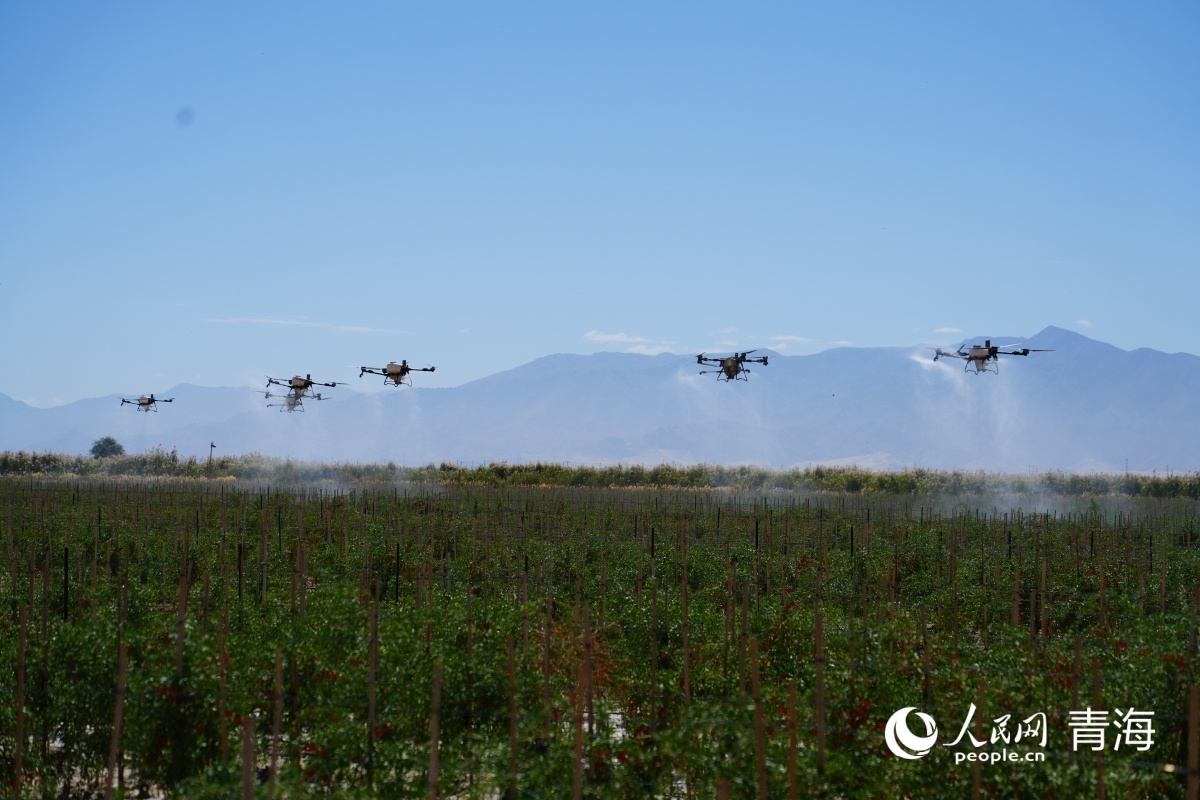
Drones are used for crop protection at a goji berry planting base in northwest China's Qinghai Province. (People's Daily Online/Yang Qihong)
Photos

Related Stories
Copyright © 2026 People's Daily Online. All Rights Reserved.
