



Pickleball ignites a sporting revolution in Hebi, China
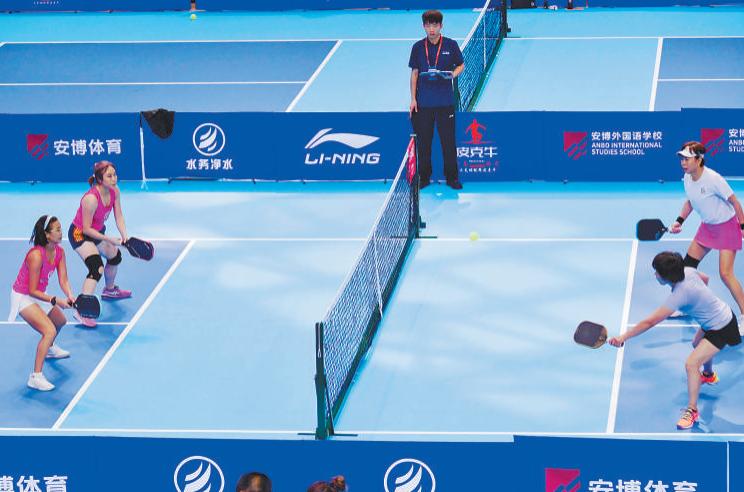
Athletes compete in a pickleball game in Hebi, central China's Henan province. (Photo/Zhang Ning)
In Hebi, an ancient city in central China's Henan province, pickleball has rapidly evolved from an obscure pastime into a city-wide phenomenon.
What began as a niche activity introduced in 2023 has captured the imagination of locals -- over one million residents have now participated. "Want to play some pickleball?" has become a common greeting across the community.
Hebi launched a comprehensive grassroots campaign to embed pickleball throughout society, integrating it into government departments, rural villages, urban neighborhood committees, schools, businesses, commercial zones, and tourist sites. Residents like retired teacher Zhang Xiuying embody this shift: "My leisure time used to revolve around watching TV or taking walks," she shared. "Now, if I don't swing my paddle every day, it feels like something's missing."
This sporting revolution rests on robust foundations. Hebi incorporated pickleball courts into its broader urban and rural fitness infrastructure plans. The city has built more than 1,500 dedicated courts and installed over 8,000 sets of outdoor fitness equipment. Today, these facilities are ubiquitous across communities, villages, and parks, forming a convenient 15-minute fitness access network for all residents.
Professional development accelerated the sport's growth. The Hebi Pickleball Association has trained over 380 coaches and referees, alongside cultivating more than 280 core athletes. These experts regularly organize instruction and training reaching deep into local communities. Simultaneously, Hebi established a dynamic, multi-level competition system, spanning city-level open tournaments, county-level championships, and community and commercial district competitions, offering structured play opportunities for enthusiasts at all levels.
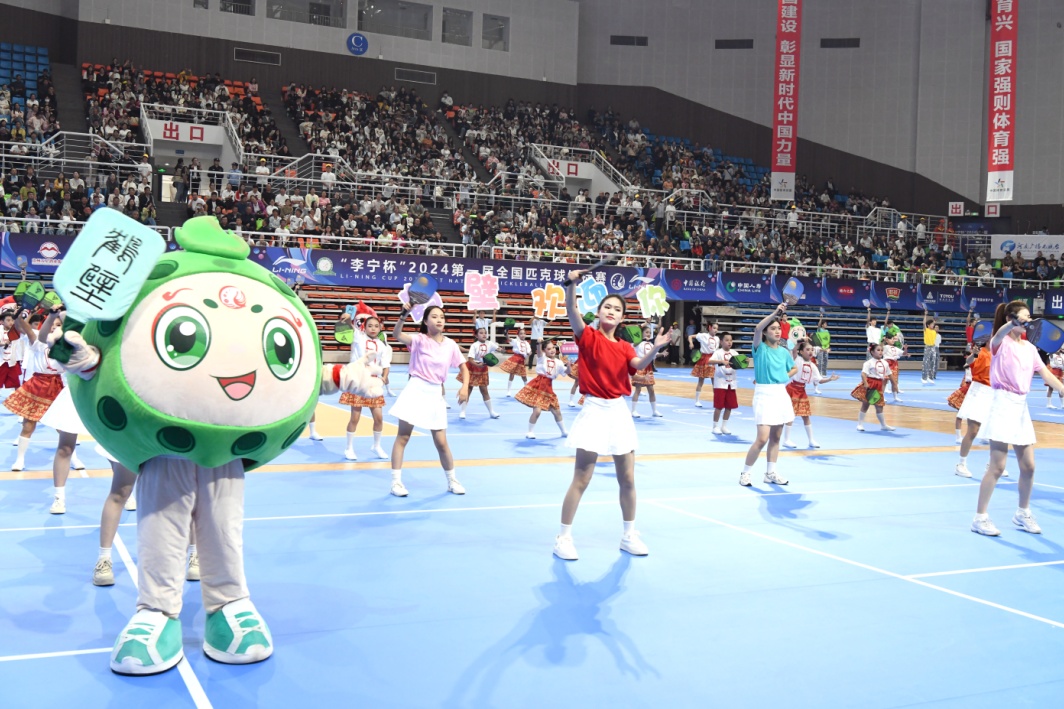
The first National Pickleball Championships is hosted in Hebi, central China's Henan province in 2024. (Photo from Hebi Daily)
Pickleball in Hebi is no longer a niche pursuit. Players range from young children to retirees, urban dwellers to rural villagers. Discussions about techniques, matches, and thrilling rallies are common conversational topics. This remarkable growth earned Hebi international recognition when, in September 2023, the World Pickleball Association designated it China's first "Pickleball City." Since then, Hebi has hosted 23 high-profile events, including international exhibition matches, national championships, and international invitational tournaments.
Zhang Xiuying captures the city's new identity: "Previously, when asked about Hebi's highlights, I'd mention the ancient 'Book of Songs' texts or the historic city of Xunxian. Today, we're also proudly known as China's Pickleball City." During tournaments, she shows visiting relatives Hebi's attractions -- touring historic Xunxian, enjoying Qihe River scenery, and sampling local cuisine.
The sport's surging popularity is significantly impacting tourism and consumption. At attractions within ancient city walls, interactive pickleball zones draw queues of eager visitors. Local cultural markets report brisk sales of pickleball-themed clay figurines and decorations. The "watch a match while touring the city" concept fuels activity in scenic areas and commercial districts.
Hebi strategically utilizes pickleball to drive integrated development across culture, tourism, and commerce. The 2025 National Pickleball Championships illustrate this: major tourist sites experienced a 42% year-on-year increase in visitors, with tourism and related spending exceeding 15 million yuan ($2.21 million). The influx of tournament spectators successfully translated into tangible economic growth.
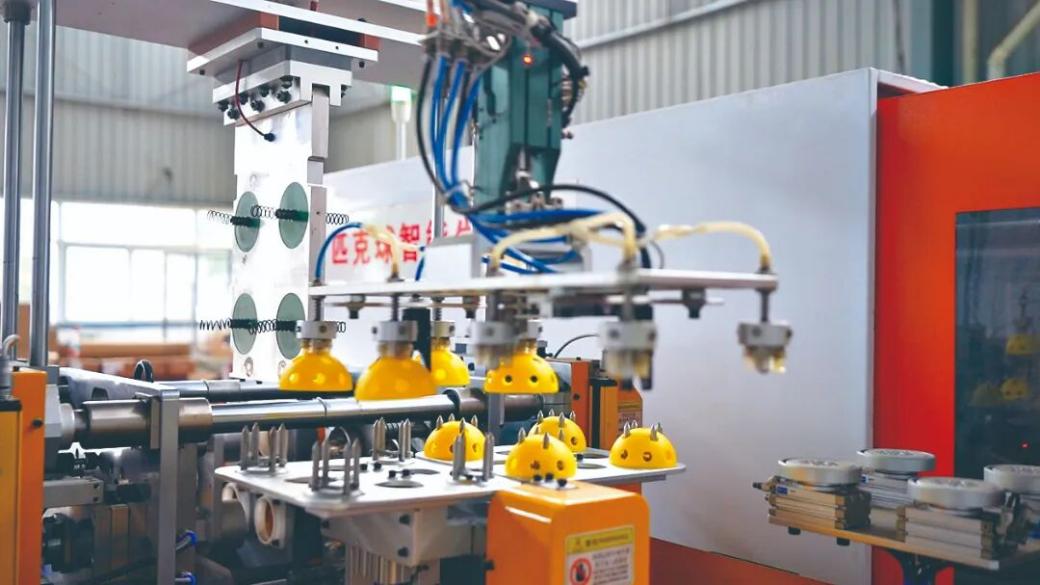
Photo shows fully automatic pickleball production equipment in a workshop of Gelee Sports. (Photo from Hebi Daily)
Pickleball's meteoric rise in Hebi stems not only from these strategic efforts but also from the inherent, energetic appeal of the sport itself.
Originating in the United States in 1965, pickleball combines elements of tennis, badminton and table tennis and is often described in China as "three sports in one."
The sport features low entry barriers, gentle intensity and high safety, ideal for all age groups. It blends fun and competitiveness, fitting daily workouts as well as professional contests. Boasting fitness, social and economic value, it holds great potential for public popularity and industrial growth.
Recognizing the opportunities emerging around the sport, Hebi is now using pickleball as a platform to promote deeper integration between sports, tourism, manufacturing and technology.
In sports-driven manufacturing, Hebi has leveraged its strengths in functional new materials to attract and cultivate pickleball equipment manufacturers such as Henan Gelee Sports and Zhuoxing Sports, gradually building a complete industrial chain spanning from raw materials to high-end equipment production.
At Zhuoxing Sports, automated production lines churn out paddles adorned with artistic motifs from The Book of Songs. Gelee Sports develops and makes premium balls and rackets, with its merchandise exported to the United States, Canada and beyond.
The sport is also spurring the development of cultural and creative products. Hebi has incorporated local cultural heritage into the sport by designing dedicated pickleball logos and mascots named "Pipi" and "Hehe." The city has also combined traditional clay sculpture craftsmanship with pickleball themes to create cultural and creative products that blend traditional culture with modern sports.
Besides, telecommunications companies are using 5G and 4K technologies to support live event broadcasting, with digital innovation continuing to upgrade the city's sports industry.
Photos
Related Stories
Copyright © 2026 People's Daily Online. All Rights Reserved.
