



Surging inflation puts mounting pressure on European growth outlook
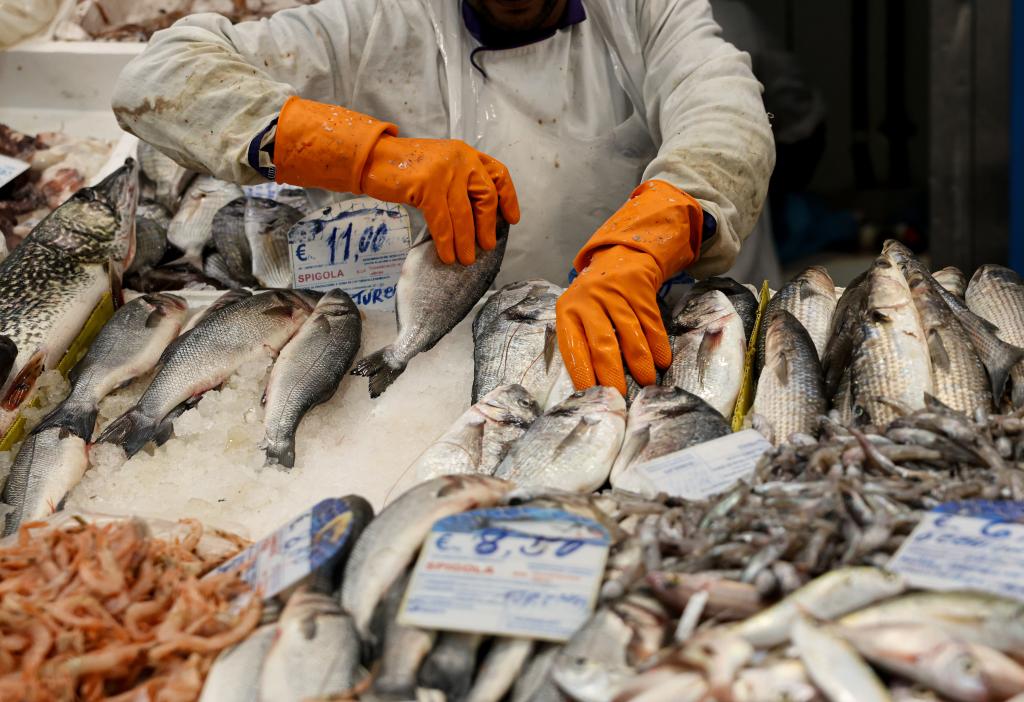
A vendor displays seafood at a market in Rome, Italy, on March 31, 2026. (Xinhua/Li Jing)
Eurozone inflation rose to 2.5 percent in March, above the ECB's target, as economists warned that soaring energy prices amid the ongoing Middle East conflict could intensify inflationary pressures and slow growth.
BRUSSELS, April 1 (Xinhua) -- Inflation in the eurozone jumped to 2.5 percent in March, above the European Central Bank's 2 percent target, while economists warned the bigger concern lies ahead, as surging energy prices risk triggering broader price pressures and weighing on economic growth.
Data released by Eurostat on Tuesday showed that most of the increase in inflation in March was driven by energy prices, which rose by 4.9 percent in March, up from a 3.1 percent decline in February.
At an emergency meeting of the European Union (EU) Energy Council on Tuesday, Energy Commissioner Dan Jorgensen said that since the beginning of the U.S.-Israeli military strikes on Iran, gas prices in the bloc have risen by around 70 percent and oil prices have climbed by about 60 percent.
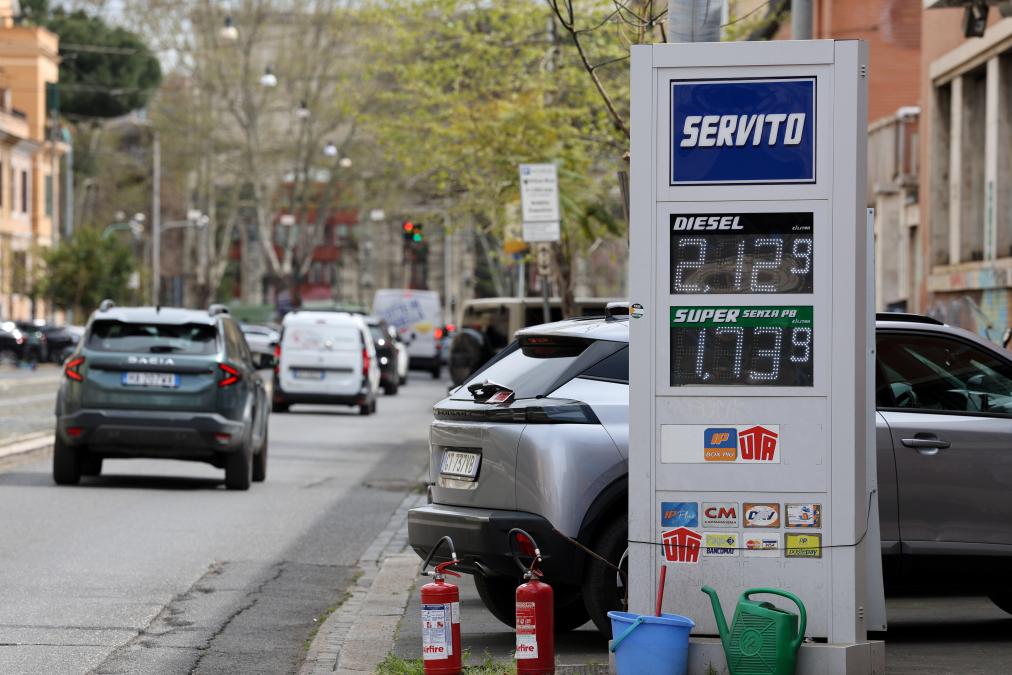
Photo taken on March 31, 2026 shows a price board of a gas station in Rome, Italy. (Xinhua/Li Jing)
The financial toll on the bloc is already significant. "In financial terms, 30 days of conflict have already added 14 billion euros (about 16 billion U.S. dollars) to the Union's fossil fuels import bill," Jorgensen said.
For households, the effects are becoming increasingly visible. In Belgium, households on variable energy contracts are paying around 20 percent more than before the conflict. For those on fixed contracts, the increase is up to 58 percent, according to the Belga News Agency.
Beyond the immediate price shock, the rise in energy costs is beginning to weigh on sentiment and activity. Eurozone consumer confidence plunged in March to its lowest level since October 2023, with the European Commission's index dropping to minus 16.3, reflecting mounting anxiety over rising inflation and economic expectations.

A customer buys groceries at a market in Rome, Italy, on March 31, 2026. (Xinhua/Li Jing)
Business activity is also losing momentum. According to a report by the S&P Global on March 24, the eurozone's composite Purchasing Managers' Index declined to 50.5 in March from 51.9 in February, marking a 10-month low and signaling near-stagnation in private sector growth.
Experts warned that the current energy-driven inflation could trigger broader effects. Rising fuel costs are expected to feed into transport prices, industrial goods, and eventually food, amplifying inflationary pressures across the economy.
Raul Eamets, chief economist for the Bigbank Group in Estonia, said that the fuel price hikes "are only the first signs of an increasingly inflationary environment."
"What happened at gas stations in March and will continue in the coming months is the most immediate effect. Next, the transport sector will begin to influence overall price increases, with all types of transport services becoming more expensive. Rising transport costs will also affect the price of goods reaching consumers," Eamets said in comments reported by the Estonian media on Tuesday.

A woman chooses goods at a souvenir shop in Vienna, Austria, March 31, 2026. (Xinhua/He Canling)
Carsten Brzeski, global head of macro at ING Research, also cautioned that the knock-on effects on transport, industrial goods and food could further increase pressure on the European economy and households, reinforcing downside risks to eurozone growth.
Photos




Related Stories
- Commentary: For Europe, true de-risking means de-Americanizing
- ECB holds interest rates steady
- EU outrage grows following Trump's military threats, dismissal of NATO troops
- ECB set to leave rates unchanged as economic prospect brightens
- European farmers' protests against Mercosur deal highlight EU division
Copyright © 2026 People's Daily Online. All Rights Reserved.
