

More patients from China are seeking medical treatment outside of China, particularly when it comes to specialized procedures. This trend has already spawned a burgeoning but uneven selection of intermediary agents who assist patients and their families, the paper.cn reported.
Though there is no data indicating how many Chinese go overseas for medical treatments, various sources estimate that more than 3,000 Chinese patients went to the U.S. last year for medical care, and about three-quarters of them sought treatment for cancer—the most common varieties being lung, breast, liver and stomach.
“The Chinese seeking treatment abroad are divided into two groups: the rich who seek more specialized and respectful treatment, and the victims of fatal illnesses who desire advanced treatments and the newest medicine," the report explained.
On average, it usually takes three to five years for a foreign medicine to be approved by China's drug regulatory authority. On July 28, drug manufacturer GlaxoSmithKline officially announced that its human papillomavirus (HPV) vaccine, Cervarix, was approved for use in China after six years of clinical trials. However, a similar HPV vaccine by U.S.-based drug company Merck was available in the U.S. as early as 2006.
Some patients with serious illnesses are drawn to foreign hospitals in hopes of getting more accurate diagnoses and treatment plans. The report cited the story of a man in Hangzhou who was diagnosed in 2012 with a tumor in his spine. Chinese doctors suggested that the man undergo surgery to replace his spine with artificial joints. However, a doctor in the U.S. later diagnosed the patient as having a myeloid tumor. After one month of radiotherapy, he was basically cured.
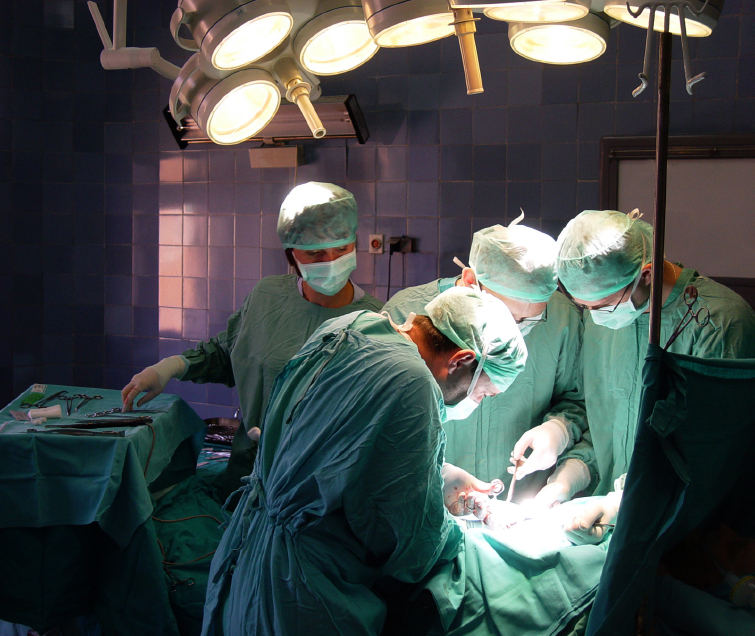
The demand for overseas treatments has naturally led to a small but growing industry of intermediary agents who specialize in “medical tourism.” Their services include translating medical records from Chinese into foreign languages, making appointments with foreign doctors, helping patients with visa applications, booking flights and interpretation during treatment. A business insider told thepaper.cn that China currently has at least 1,000 agents in this business.
However, as the industry does not yet have any regulatory measures, a number of problems have arisen, according to the report. Some agencies demand exorbitant intermediary service fees, or employ unqualified translators. Some also brag about the rankings of hospitals with which they cooperate.
 World's fastest bullet train to start operating next month
 Huangluo: China's 'long hair village'
 Spectacular bridge with one of the tallest piers in the world
 Magnificent view of Hukou Waterfall
 A glimpse of Stride 2016 Zhurihe B military drill
 US Navy chief tours Liaoning aircraft carrier
 Chinese American woman wins Miss Michigan
 Centenarian couple takes first wedding photos
 Traditional Tibetan costumes presented during fashion show
 Top 10 livable Chinese cities
 Top 20 hottest women in the world in 2014
 Top 10 hardest languages to learn
 China’s Top 10 Unique Bridges, Highways and Roads
 Chinese athletes switch nationality for opportunities, welfare
 With another Olympic gold, Lang Ping rekindles national pride
 Who holds the purse strings?
 Chinese author Hao Jingfang wins Hugo Award for Best Novelette with ‘Folding Beijing’
Day|Week


