



From 'fingertip skills' to 'fingertip economy': How Guizhou empowers women through handicrafts
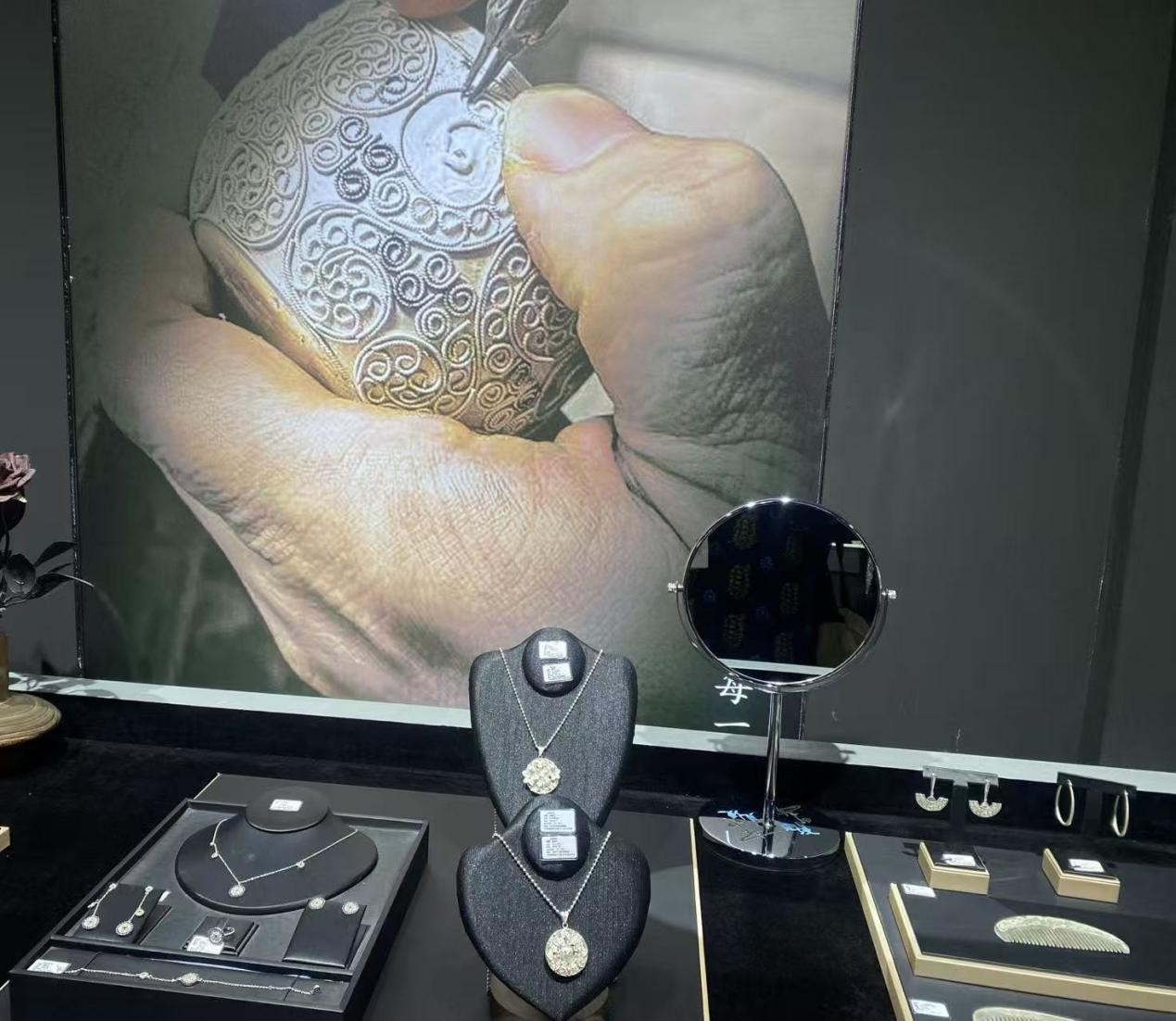
Traditional silver jewelry crafted by members of the Miao ethnic group is on display at Qingyun Market, a popular cultural and tourism night block in Guiyang, southwest China's Guizhou Province. (People's Daily Online/Sara Afzal)
How did China eradicate absolute poverty? No single sentence can capture the complexity of this achievement. Its success lies in a comprehensive strategy tailored to regional conditions and local resources. Improved connectivity has opened up remote areas to broader markets and boosted rural growth. Southwest China's Guizhou Province offers a compelling example of this approach.
Guizhou is home to many ethnic minority groups with rich cultural heritages, including traditional crafts such as silver jewelry making, Miao embroidery, horsetail embroidery, batik and ethnic costume making. Passed down through generations, these skills represent a valuable reservoir of intangible cultural heritage, particularly among ethnic minority women.
However, mountainous terrain and limited market access long restricted their crafts to household use, preventing women from turning their skills into income. Many faced a difficult choice between working far from home and caring for their families. These constraints also threatened the continuity of traditional craftsmanship.
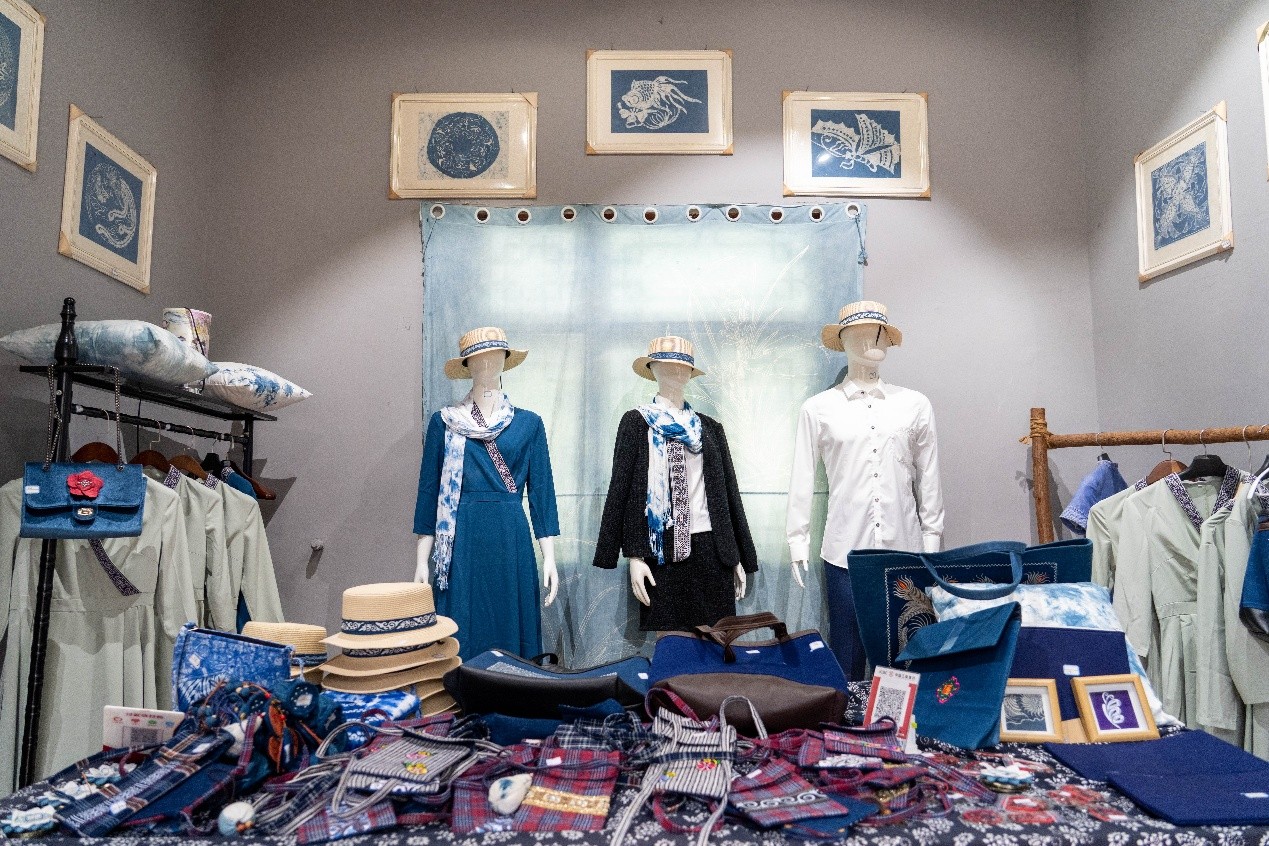
Fashionable contemporary pieces made by local women are on display in a Bouyei clothing workshop in Longjing Village, Qingyan Town, Guiyang, southwest China's Guizhou Province. (People's Daily Online/Sara Afzal)
To address these challenges, Guizhou launched the "Jinxiu" Program in 2013. The name Jinxiu means "beautiful brocade." The program is devoted to alleviating poverty by developing the women's handicraft industry. By integrating women's economic empowerment, intangible cultural heritage preservation, cultural tourism and rural revitalization, the program has become a model for women's development in ethnic regions. Training programs in villages, resettlement communities and workshops equip women with skills in craftsmanship, design and marketing. Design teams adapt traditional patterns for contemporary markets, and e-commerce, exhibitions and east-west cooperation expand sales channels. Entrepreneurship competitions and enhanced policy and financial support further strengthen the industry.
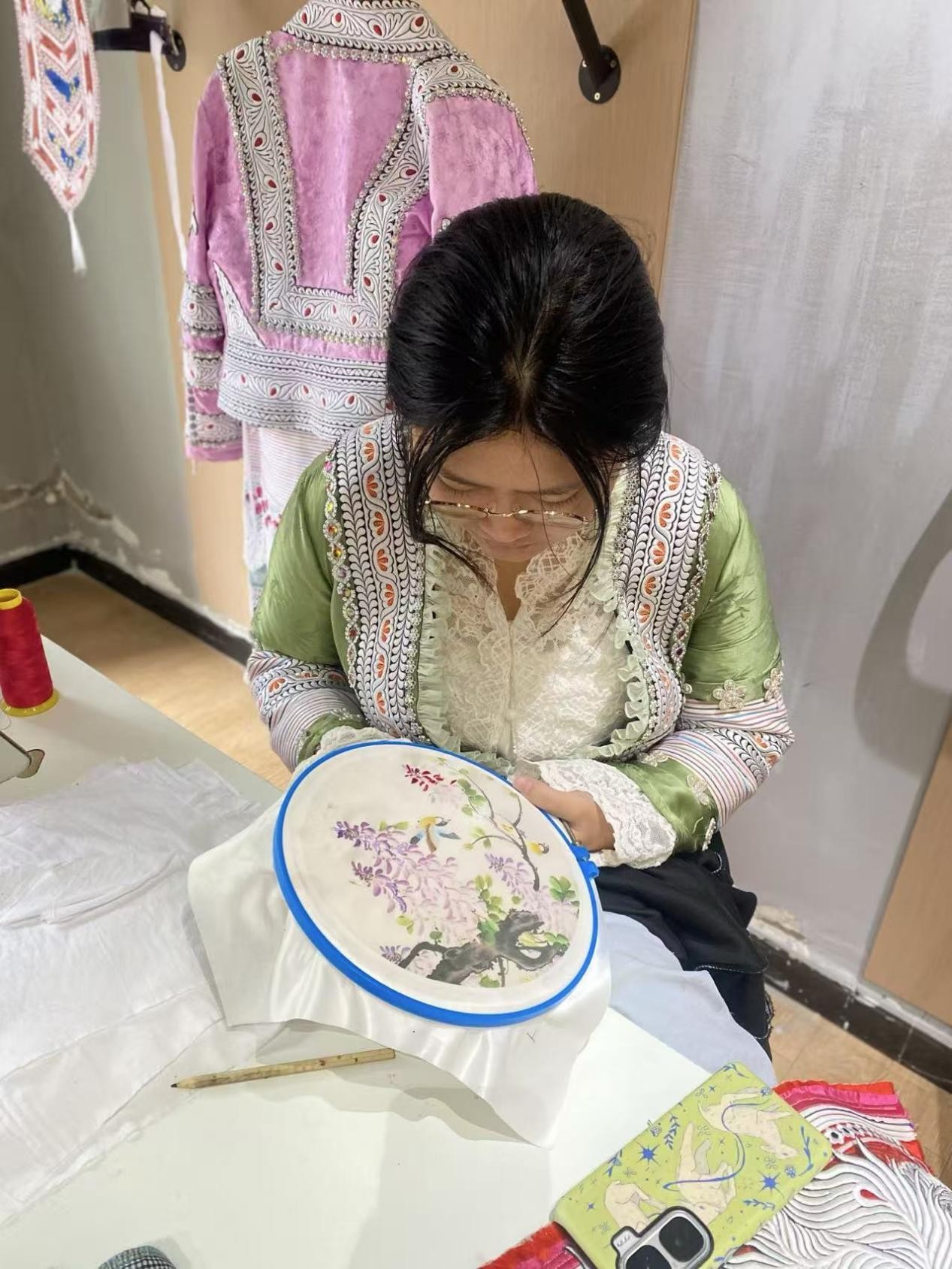
A young woman makes a delicate embroidery pattern in Huawu Village, Xinren Miao Township, Bijie, southwest China's Guizhou Province. (People's Daily Online/Sara Afzal)
These efforts have generated substantial results. Since 2013, Guizhou has invested 1.1 billion yuan, provided training for 260,000 participants, and helped more than 2,680 enterprises and cooperatives through the program. Many women in left-behind and resettlement communities have gained local livelihoods while caring for their families. Traditional crafts have reached wider markets, attracted young inheritors and become part of cultural and tourism experiences.
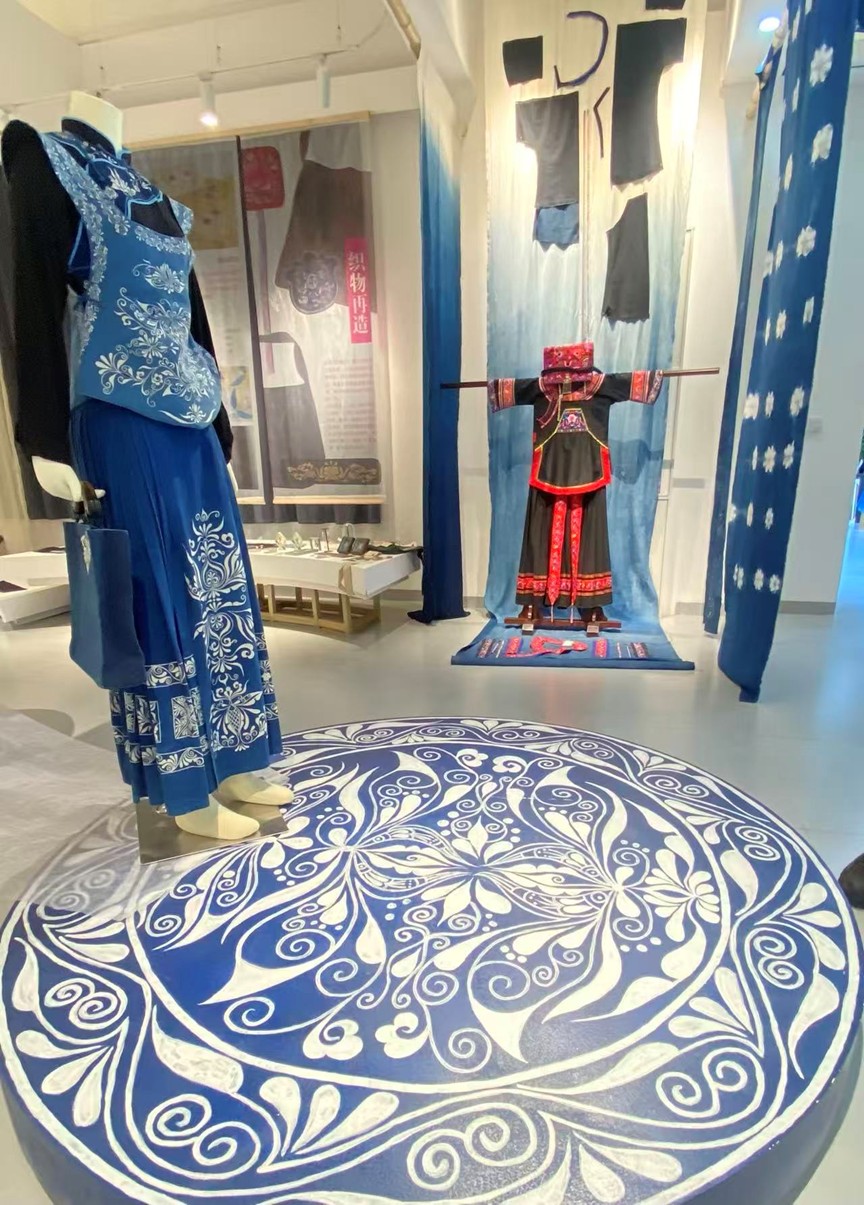
A beautiful display of batik and traditionally embroidered dresses at a Bouyei clothing workshop in Longjing Village, Qingyan Town, Guiyang, southwest China's Guizhou Province. (People's Daily Online/Sara Afzal)
After 13 years, the "Jinxiu" Program has transformed women's "fingertip skills" into a "fingertip economy," strengthening their economic empowerment and social status while preserving ethnic cultural heritage. Its experience, featured in "China's Experience in Women's Poverty Alleviation and Reduction in the New Era", offers a distinctive Guizhou model for women's empowerment and community development.
Luo Shilin, director of Baiyue Bouyei Clothing Workshop, attributed these changes to the sustained support of the "Jinxiu" Program. Previously, the studio operated mainly as a traditional workshop, handling conventional orders and offering a limited range of products. With the program's support, it strengthened its brand identity and revamped its product portfolio. Improvements spanned the entire operation, from product design and packaging to exhibition spaces and promotional materials. By transforming traditional cultural elements into products such as dolls, decorative paintings and cultural fans, the studio has reached wider markets, with its products now sold in Southeast Asia and beyond.
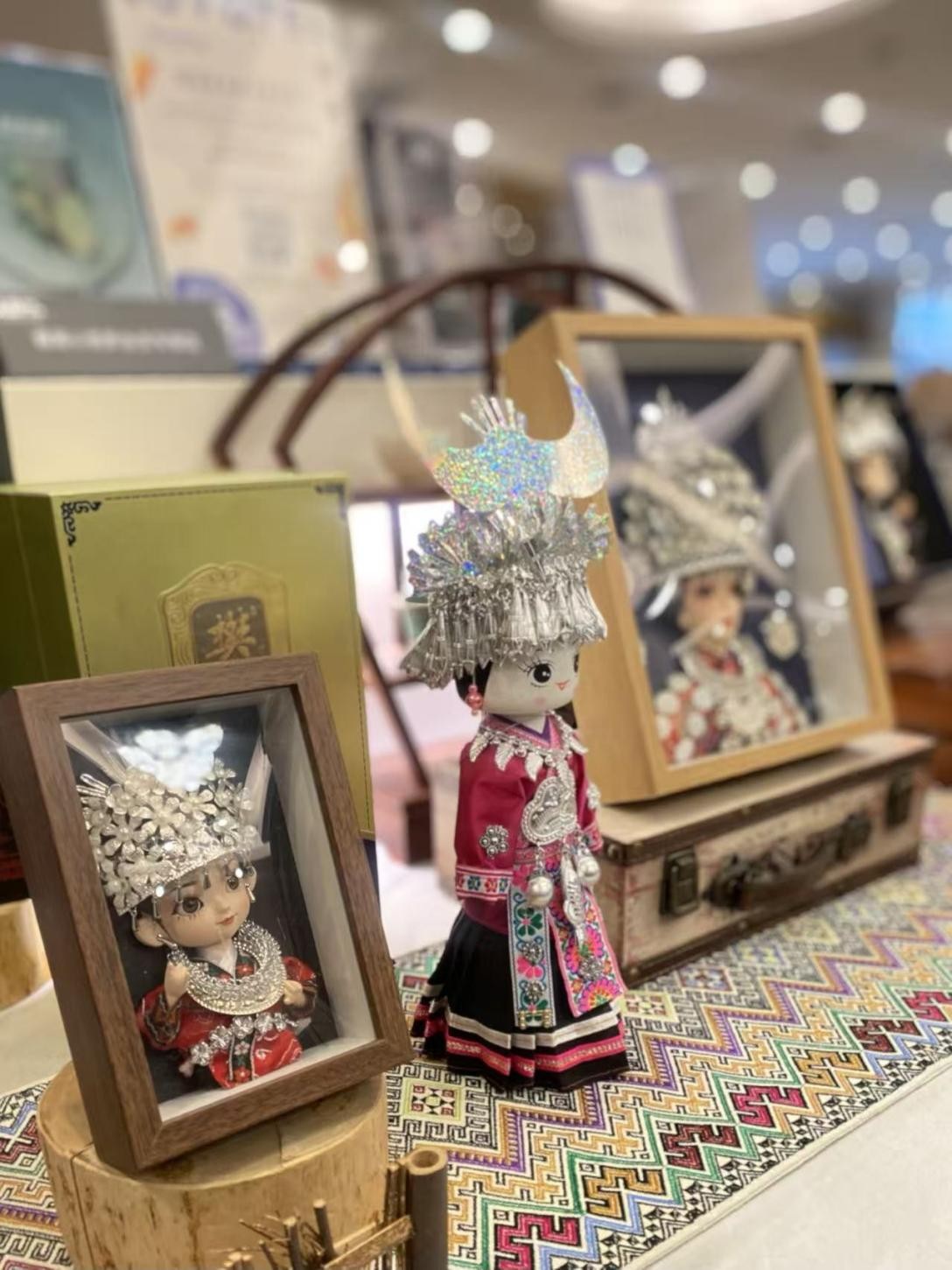
Dolls wearing traditional Miao dresses and jewelry made by local women are on display at Qingyun Market, a popular cultural and tourism night block in Guiyang, southwest China's Guizhou Province. (People's Daily Online/Sara Afzal)
This practice shows how targeted policy support and market-oriented training can turn ethnic cultural heritage into sustainable local livelihoods. For mountainous ethnic regions in Guizhou, the "Jinxiu" Program has not only helped women earn an income close to home, but also revitalized fading handicraft traditions, offering a replicable path for poverty alleviation and rural revitalization rooted in local culture.
Photos



Related Stories
- Lusheng festival marked in Huangping, China's Guizhou
- So, You're Interested in China? | Baijiu 101
- 'Golden avenue' of plane trees in SW China's Guizhou captivates overseas visitors
- So, You're Interested in China? | My first baijiu tasting and blending class
- So, You're Interested in China? | What is that tiny pitcher and cup on the table?
Copyright © 2026 People's Daily Online. All Rights Reserved.
