



Commentary: To understand Xizang, a visit is better than a film
BEIJING, Oct. 26 (Xinhua) -- China's Xizang is a region of rich cultural traditions, unique natural beauty and remarkable development. To understand it fully, international audiences need to look beyond one-sided portrayals and see it by themselves.
The "Tibet Film Festival" now touring Western cities is one of those biased portrayals. It does little to foster a genuine understanding of Xizang.
Culture should serve as a bridge for understanding, not a vehicle for political agenda aimed at discrediting China's governance of the region.
For those interested in Xizang for a good reason, there is a more direct way to learn: come to China and visit the region firsthand. Seeing its development, experiencing its cultural traditions and meeting local residents can offer insights that no single film festival, least of all a politically charged one, can convey.
Behind this so-called film festival lies a familiar political playbook: certain anti-China forces in the West view every China-related issue through the lens of strategic rivalry, while separatist forces exploit this mindset to advance a malicious agenda.
Together, they seek to use Xizang as a vessel to contain China. The aim is not to help the world better understand Xizang -- its people, culture, history and modern development -- but to discredit China and sow division using long-standing falsehoods.
The notion of so-called "Tibet independence" is itself rooted in a history of foreign interference, including attempts by British imperialists in the 19th and early 20th centuries to exploit the region for their own strategic interests. Yet those seeking to revive this separatist agenda today deliberately neglect the reality of a region transformed by decades of development.
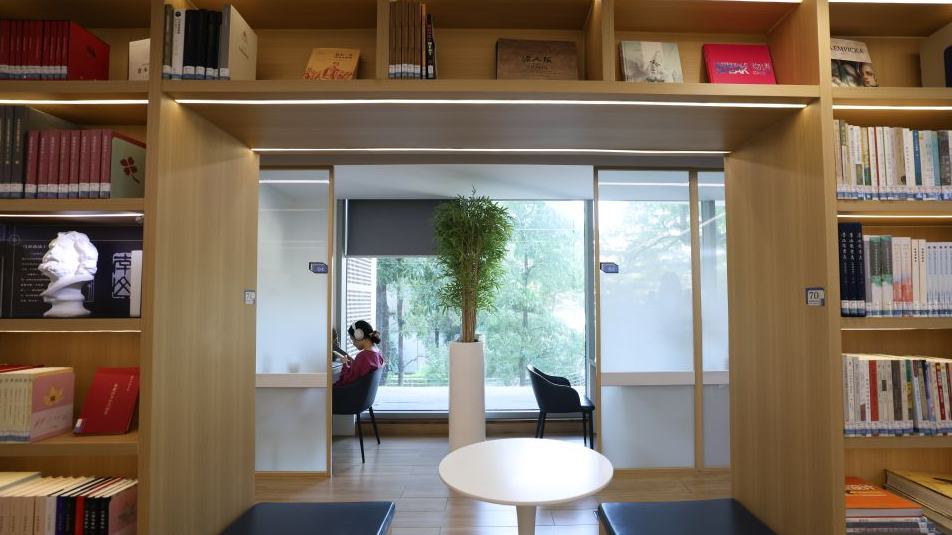
Modern highways and railways have improved connectivity, education and healthcare services have expanded, and rising living standards have opened up new opportunities for residents. At the same time, efforts to preserve Xizang's cultural heritage and protect its distinct natural environment continue alongside modernization. These are not marginal details to be brushed aside; they are central to understanding Xizang today.
By clinging to an outdated and distorted image of the region, separatist forces and their Western supporters are attempting to obscure the very reality that undermines their claims.
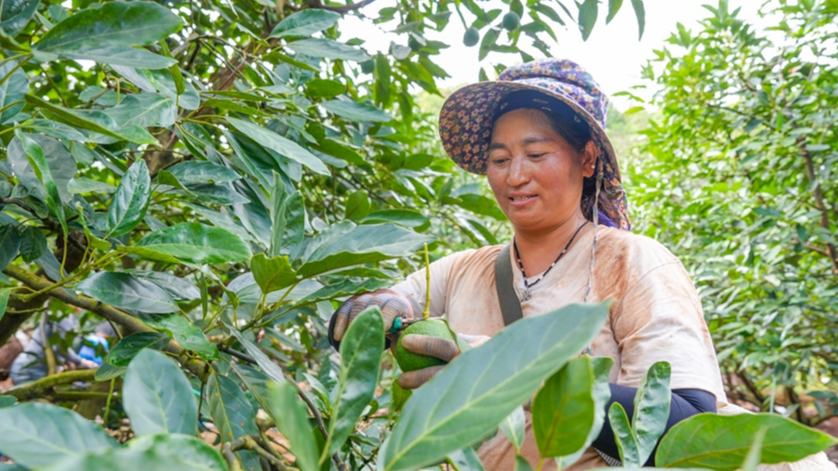
As more foreign visitors travel to and across China, including Xizang, they can witness the region's development firsthand, experience its rich cultural traditions and meet the people who call it home.
Such direct exposure is a powerful antidote to distortion spread from afar; firsthand experience carries more weight than politically motivated rhetoric.
No film festival, however loudly it amplifies calls to split China, can define Xizang or speak for its people. As China rolls out the welcome mat and more people see the country for themselves, the gap between distortion and reality will become harder to ignore.
Photos


Related Stories
- Health work, emergency facilities back post-quake resettlement in China's Xizang
- China earmarks 80 mln yuan for Xizang quake relief, recovery efforts
- Power supply lines installed for prefabricated houses in quake-hit Baqen County, China's Xizang
- With 1,500 kg of dumplings, restaurant owner heads to quake-hit Baqen
- Displaced residents moving into prefab homes three days after Xizang quake
Copyright © 2026 People's Daily Online. All Rights Reserved.
