



Cheers to Guiyang: Come, let's start with three cups!
Guiyang, a forest-clad city on the Yunnan-Guizhou Plateau in southwest China's Guizhou Province, gets its name from "the sunny side of Guishan Mountain." With an average summer temperature of about 23 degrees Celsius, it is widely known as "cool and refreshing Guiyang." Just how refreshing is it? It takes a full day to find out.
Morning: Noodles and coffee
A Guiyang local's day begins with a bowl of Changwang noodles, made with pig intestines ("chang") and congealed blood ("wang"), a name that puns on the phrase for "constant prosperity." The egg noodles are crisp, the intestines tender, and the blood curd melts in the mouth, with noodles, intestines and broth bursting with layers of flavor in every hot bite.
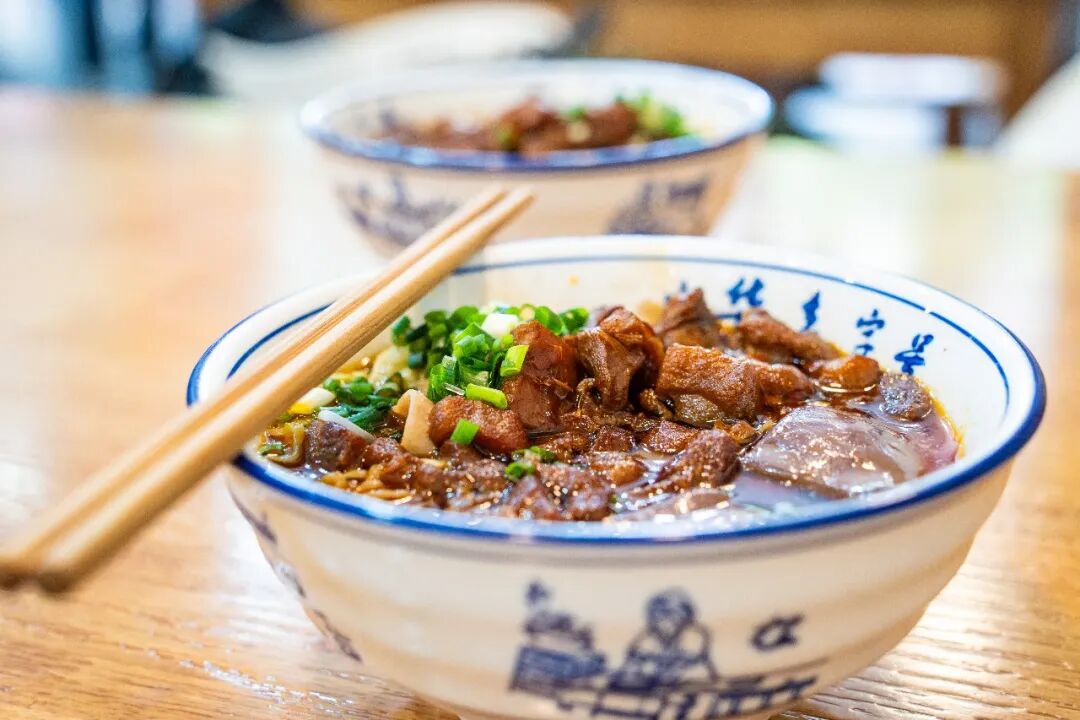
Changwang noodles in Guiyang, southwest China's Guizhou Province. (People's Daily Online/Yang Qian)
Coffee pairs just as well with a Guiyang morning. Six World Coffee Championship winners, one world champion and five China regional champions, work in the city, cementing its reputation as a "city of coffee champions." There is no standard formula here: heartleaf (houttuynia), Chinese roseleaf raspberry and sauce-aroma liquor are all boldly blended into the cup. Among the city's 3,000 coffee shops, some are tucked deep in karst caves beneath ancient stalactites, while others perch on cliff edges over hundred-meter canyons, serving a "cliffside latte" infused with local Guizhou flavors.

Coffee shops tucked inside caves and cliffs.
Afternoon: Rivers and tea
Walking along the Nanming River toward the city center, Jiaxiu Pavilion stands in the middle of the water. Built during the Wanli reign of the Ming Dynasty (1573-1620), the landmark has remained a cultural symbol of "old Guiyang" for more than 400 years.
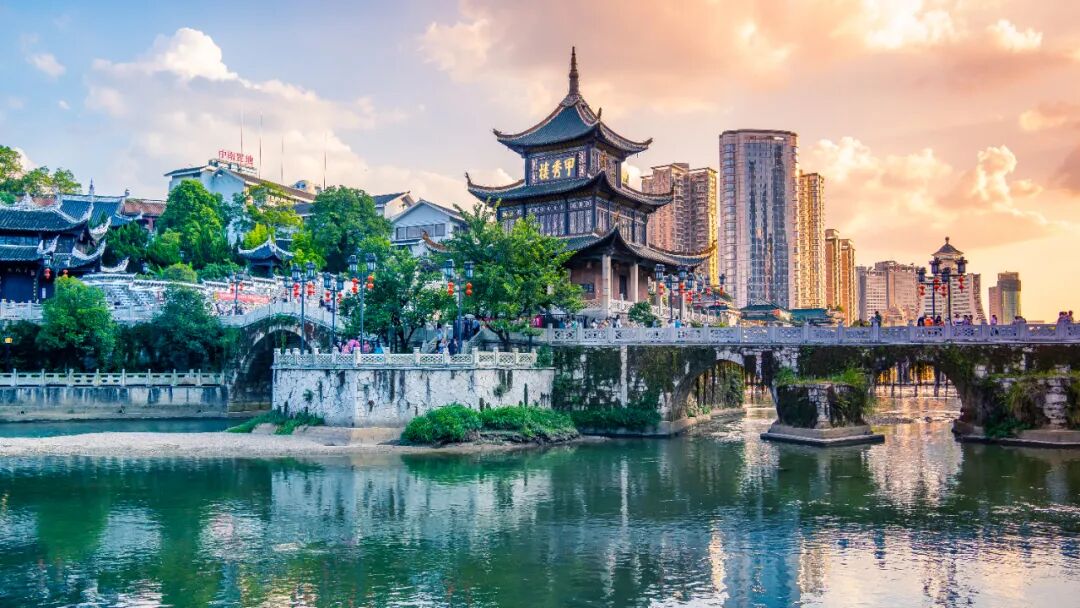
Jiaxiu Pavilion in Guiyang, southwest China's Guizhou Province. (People's Daily Online/Tu Min)
Along the riverbank, locals settle in for open-air courtyard tea, 10 yuan a cup with unlimited refills, as bamboo chairs creak and elders chat away in the local dialect. For those in a hurry, new-style tea drinks offer a quicker taste of the region, blending the sweetness of Chinese roseleaf raspberry, the richness of Miao-style fermented rice wine and the faint bitterness of Tongren matcha into a single cup.
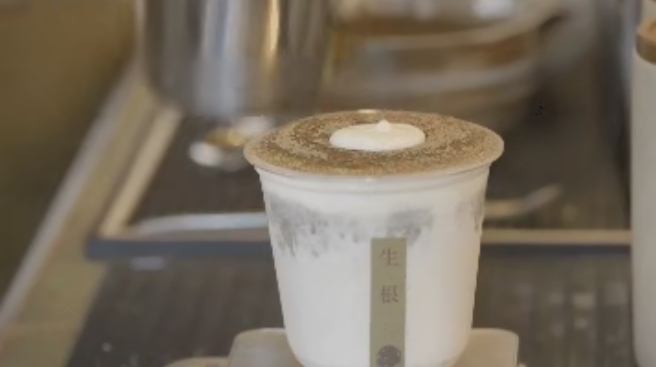
New-style tea drinks infused with a taste of Guizhou.
For a deeper experience, Jiu'an township in Huaxi district pairs thousand-year-old tea trees with thousands of acres of new tea fields, where visitors can pick and process leaves or "adopt" an ancient tree, turning a cup of tea into an immersive taste of slow living.
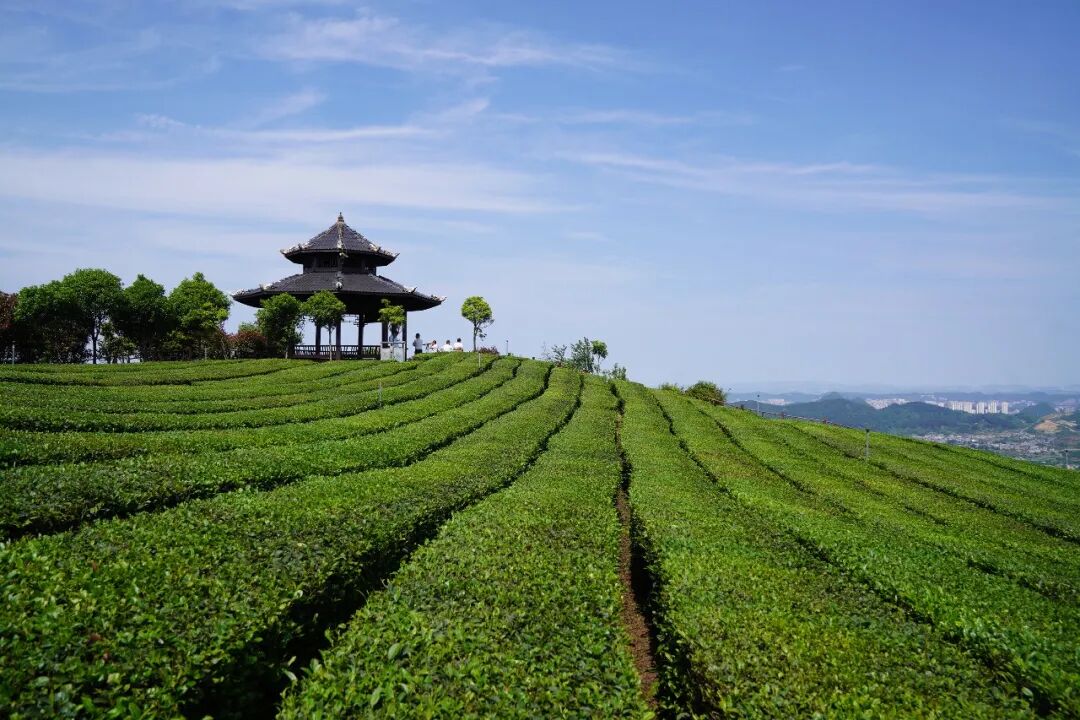
A tea garden in Jiu'an township, Huaxi district, Guiyang, southwest China's Guizhou Province. (Photo/Sun Cao)
Night: Markets and craft beer
After dark, neon lights ripple along Taiping Road, an old street renovated in 2023 that uncovered the long-buried Guancheng River and was later named a national model case of urban renewal. Nearby, Qingyun Market, converted from an old knitting factory, is filled with creative shops and food stalls serving clear-broth hotpot, skewered grilled meat and sour soup beef.
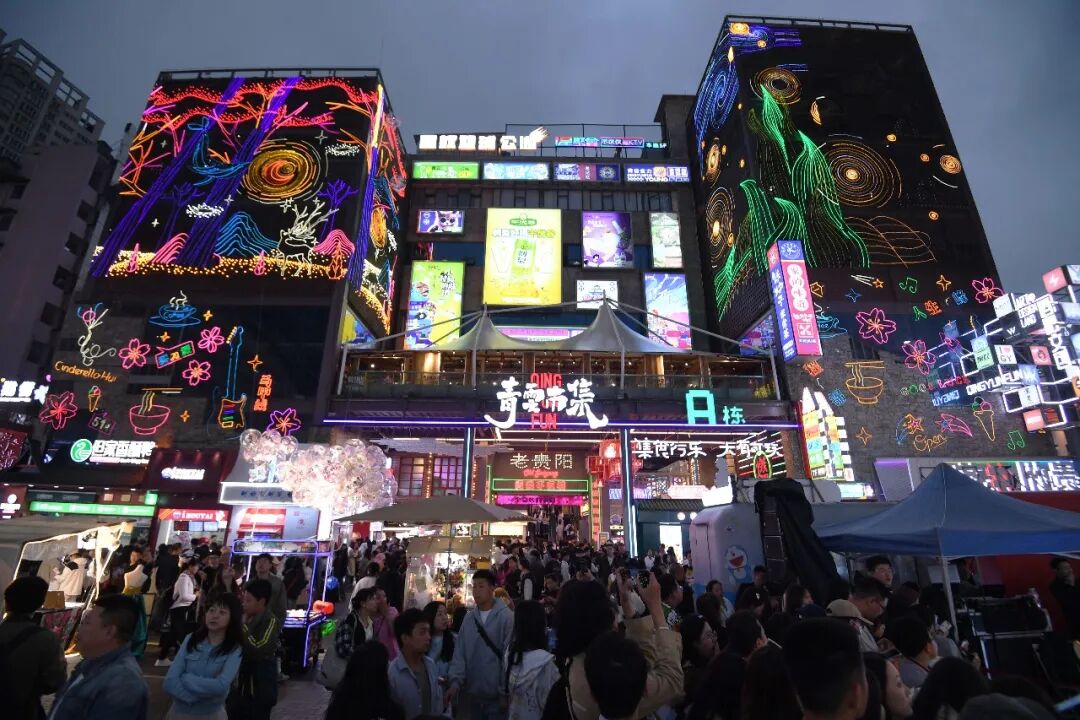
Qingyun Market lit up at night in Guiyang.
Sour soup is not the only thing fermenting in Guiyang's nights. More than 1,300 craft breweries are scattered across the city, giving it one of the highest densities of craft beer bars in the country, with local specialties such as litsea cubeba IPA and Sichuan pepper lager reflecting a regional "talent for fermentation."

Guiyang's craft beer, brewed with a talent for fermentation.
These lively scenes draw young people from across the country who come to eat, drink, work and start businesses, gradually becoming "new Guiyang residents." In turn, the city has expanded support for employment, entrepreneurship, youth cultural life and housing to help them settle in and pursue their dreams.
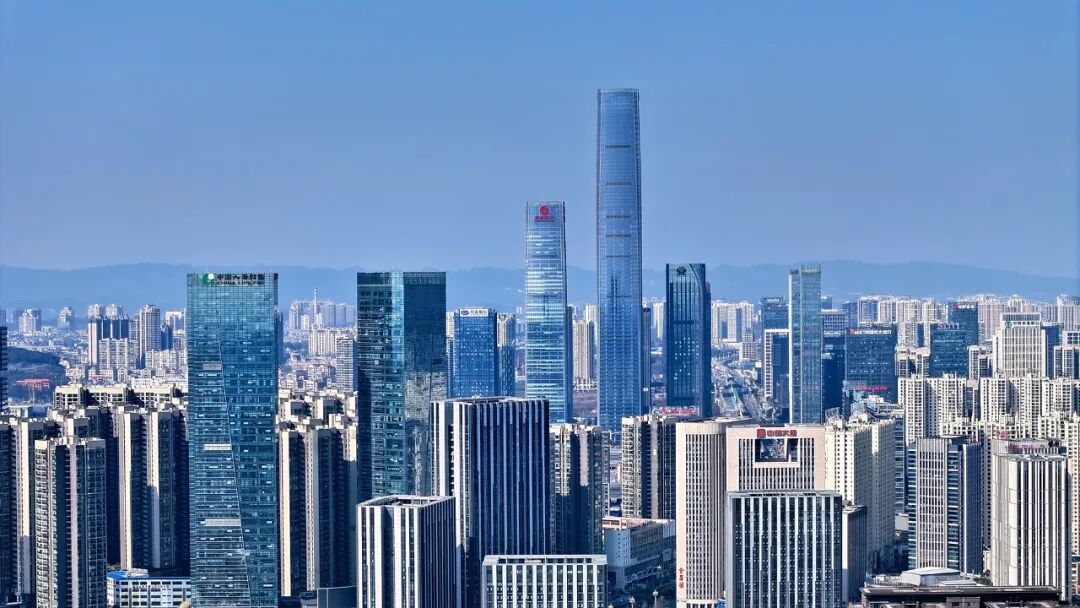
Guizhou Financial City, Guiyang, southwest China's Guizhou Province. (Photo/Yang Jing)
This is Guiyang: everyday warmth in the morning, mountains and rivers in the afternoon, and easy conviviality at night. Ready for a taste? Why stop at one cup? Make it three.
Photos
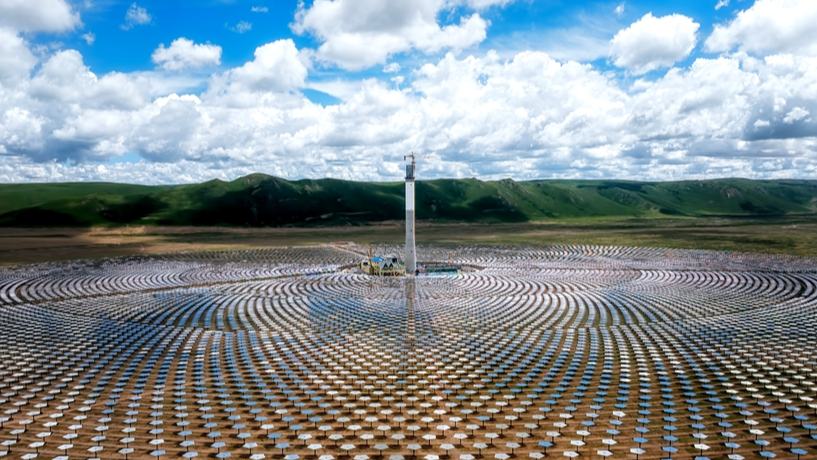 World's highest-altitude solar thermal power plant completes heliostat installation in SW China's Xizang
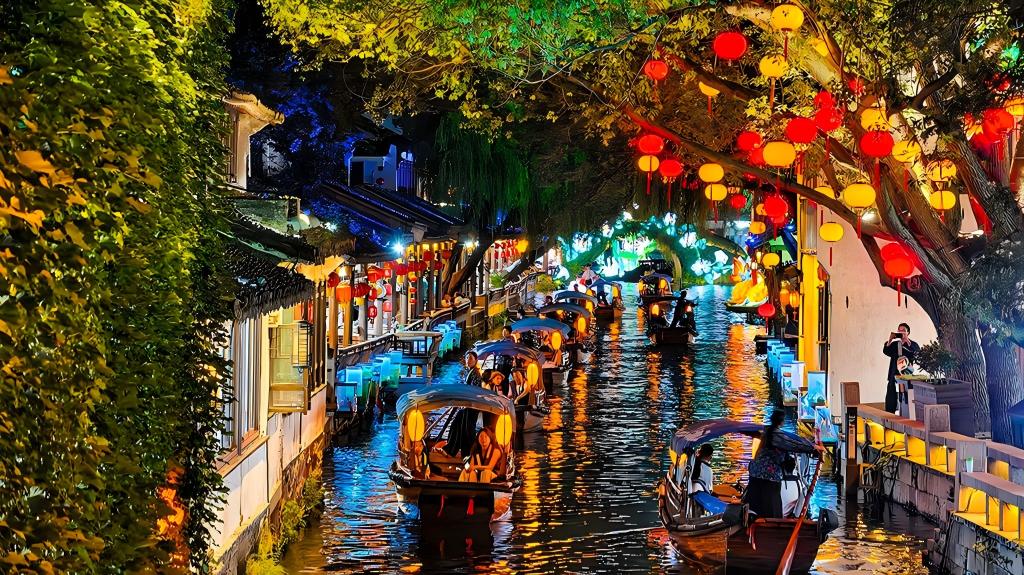 Immersive experiences increasingly popular amid China's summer travel boom
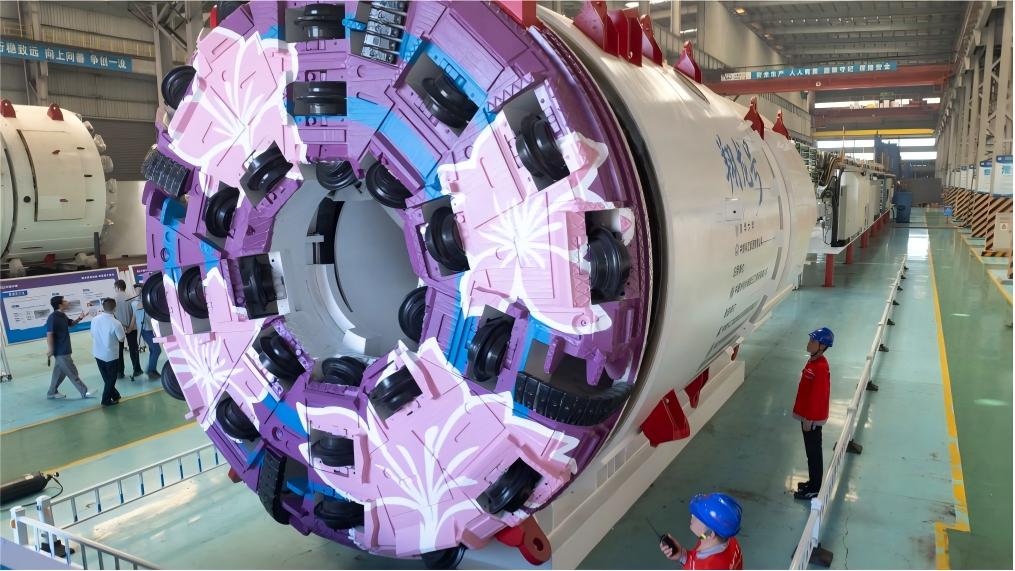 China's first boring and blasting machine rolls off production line in Wuhan, China's Hubei
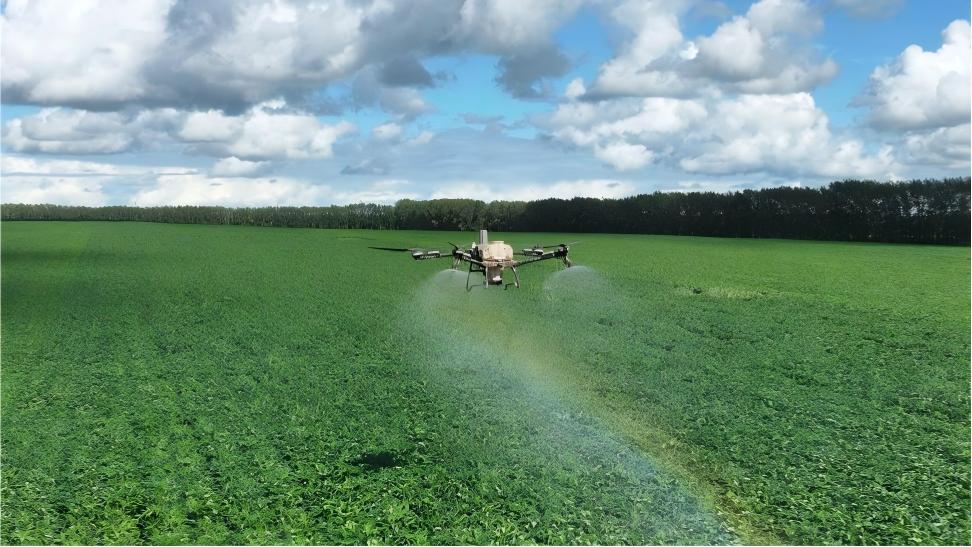 Aerial crop protection operations launched in fields of NE China's Heilongjiang
Related Stories
- Karst canyon hides twin waterfalls outside Guiyang
- White-eye bird seen in Guiyang, SW China
- Booming nighttime economy in Guiyang, SW China's Guizhou
- Roadside concerts light up vibrant night life in Guiyang
- SW China's Guiyang resumes direct flights to Kuala Lumpur
- National bridge, tunnel engineering vocational skills competition held in Guiyang, SW China
- Delectable snack "siwawa" captivates palates in SW China's Guiyang
- Plane trees turn golden along river in Guiyang
- District in Guiyang of SW China eyes rural vitalization with agritourism
- People take nucleic acid test in SW China's Guiyang
Copyright © 2026 People's Daily Online. All Rights Reserved.
