



China, Europe launch academic platforms to boost intercultural dialogue
A high-profile international event themed "From Shared History to Shared Future: Intercultural Dialogue in China-Europe Relations" was held in Rome on July 2, marking the official launch of a new academic journal, a book series and a research network to deepen China-Europe cultural and academic exchanges.
Co-organized by De Gruyter Brill, Xiamen University, Zhejiang University and Italy's Luiss University, the event marked the release of the inaugural issue of the journal "Intercultural Dialogue," themed on the 50th anniversary of China-EU relations, as well as the new book series "The Maritime Silk Road and Intercultural Exchange." It also inaugurated the China-Europe Network for Civilizations Studies (CENCS), an open academic cooperation platform for Chinese and European scholars and institutions.
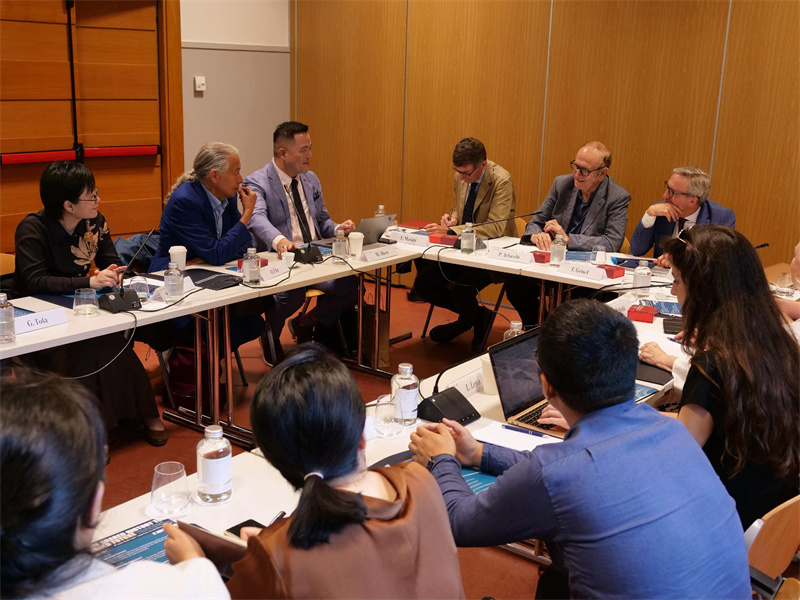
(Photo/People's Daily Online)
Gathering interdisciplinary experts in culture, history, politics and international relations, the event aimed to advance in-depth academic dialogue and mutual understanding between China and Europe amid complex global changes.
Liu Yue, editor-in-chief of "Intercultural Dialogue" and a scholar at Xiamen University, said the journal was conceived as a platform for long-term academic dialogue capable of bringing together Chinese and European scholars from different disciplinary backgrounds, while also reaching audiences beyond academia.
Shen Wei, guest editor of the journal's inaugural issue and a scholar at Zhejiang University, underlined that Europe and China currently stand at an important moment in the development of their bilateral relations and argued that academic cooperation can make a valuable contribution to mutual understanding in a rapidly changing international context.
Tiziana Lippiello, rector of Ca' Foscari University of Venice, highlighted the value of sustained academic cooperation, student mobility and cultural interactions between the two sides, expecting new collaborative initiatives to drive constructive China-Europe ties.
Two keynote speakers delivered views on bilateral civilizational and geopolitical cooperation. Pino Arlacchi, former U.N. under-secretary-general, pointed out that the dominant Atlantic-centric order is gradually shifting toward a new Eurasian perspective. He emphasized that civilizational dialogue, rather than ideological confrontation, offers a more productive approach to understanding modern China, adding that China's economic governance experience offers valuable insights for European strategic planning.
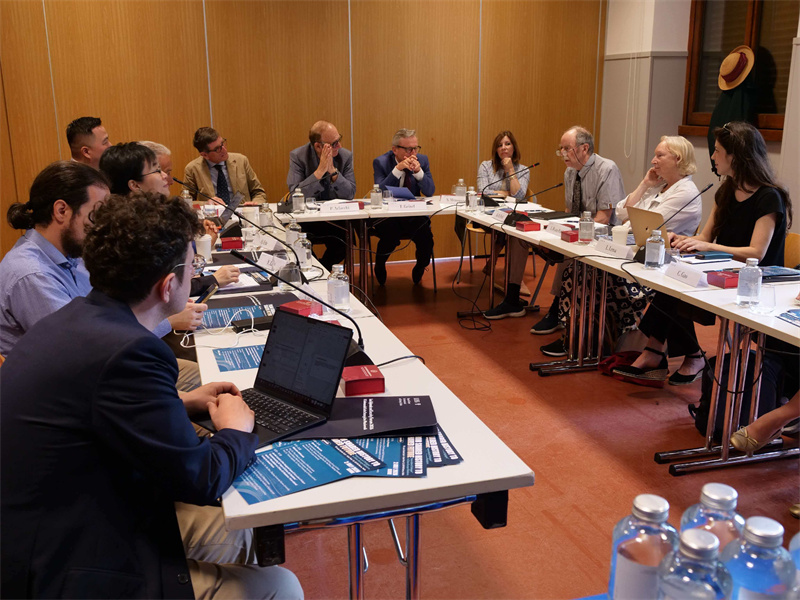
(Photo/People's Daily Online)
Thomas Geisel, member of the European Parliament and former mayor of Düsseldorf, acknowledged growing political tensions and mutual mistrust between China and Europe despite booming economic ties in recent decades. He advocated maintaining open dialogue, mutual respect and cultural exchange. In his view, addressing global challenges such as climate change, technological transformation and international security requires sustained cooperation between Europe and China. This cooperation, he argued, must be supported not only by economic relations but also by deeper cultural understanding.
The event's roundtable discussions reviewed the millennia-old exchanges along the Silk Road, which was defined as a complex network of interactions connecting peoples, languages and cultures across Eurasia rather than a single trade route. Scholars stressed the significance of exploring unpublished archival materials and adopting inclusive, non-Eurocentric research perspectives.
CENCS was jointly initiated by dozens of Chinese and European scholars and conceived as an open academic network bringing together individual scholars as well as research centers and institutions. It aims to facilitate academic mobility, collaborative research projects, joint publications, conferences and long-term cooperation between Chinese and European partners.
Participants agreed that cultural and academic dialogue acts as a vital supplement to China-Europe political and economic relations. The newly launched academic initiatives demonstrate the two sides' commitment to deepening historical and contemporary bilateral connections through sustained scholarly cooperation.
Photos
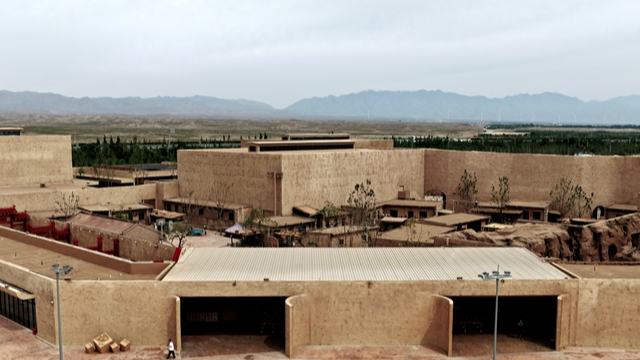 Immersive theater village inspired by poverty alleviation story opens in NW China's Ningxia
 Night scenery of Huishan Yingyueli area in China's Jiangsu
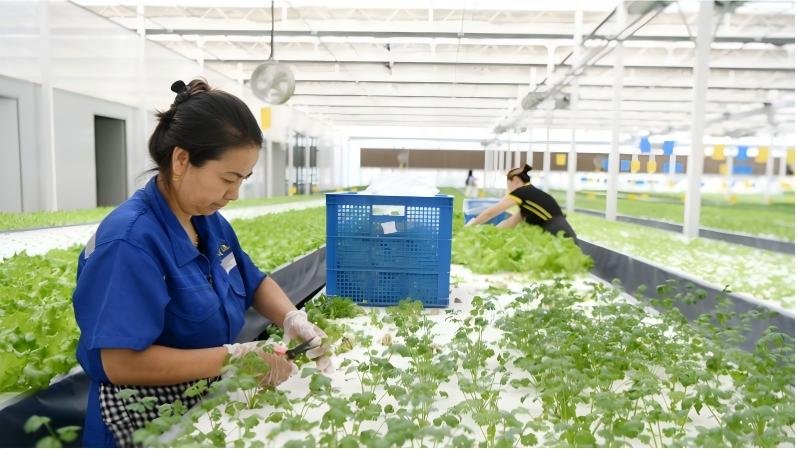 Smart plant factory produces high-quality vegetables, creates jobs in Kuqa, NW China's Xinjiang
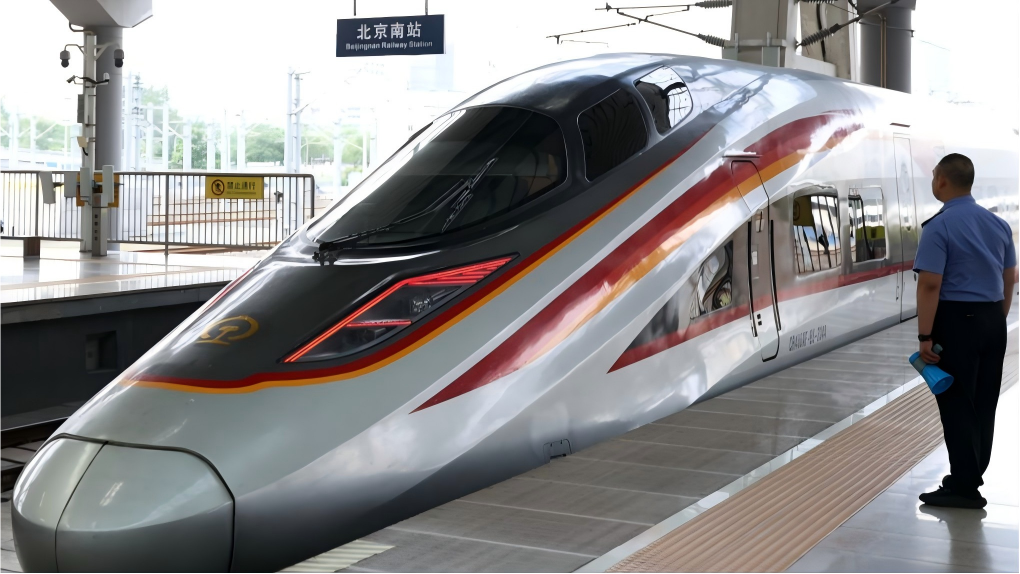 Beijing-Shanghai High-speed Railway marks 15th anniversary of operation
Related Stories
- China-Europe freight train, an artery for growth between Xi'an and Almaty
- Heatwaves fuel Europe's cooling demand as China-Europe cooperation brings practical solutions
- Interview: China-Europe railway becomes key part of multimodal logistics, Duisport CEO says
- China-Europe Railway Express spurs trade, logistics development in Poland
- Erenhot Port in China's Inner Mongolia handles over 25,000 China-Europe freight trains
- Chongqing boosts China-Europe freight train capacity to facilitate auto exports
- Eastern corridor of China-Europe freight train network witnesses over 40,000 trips
- Why "de-risking" from China risks undermining Europe's interests?
- Trips via eastern corridor of China-Europe freight train network exceed 3,000 this year
- Chinese, European companies explore cooperation in green development, smart manufacturing
Copyright © 2026 People's Daily Online. All Rights Reserved.
