



Wild jujube seed spurs growth in N China's Hebei as sleep disorder remedy
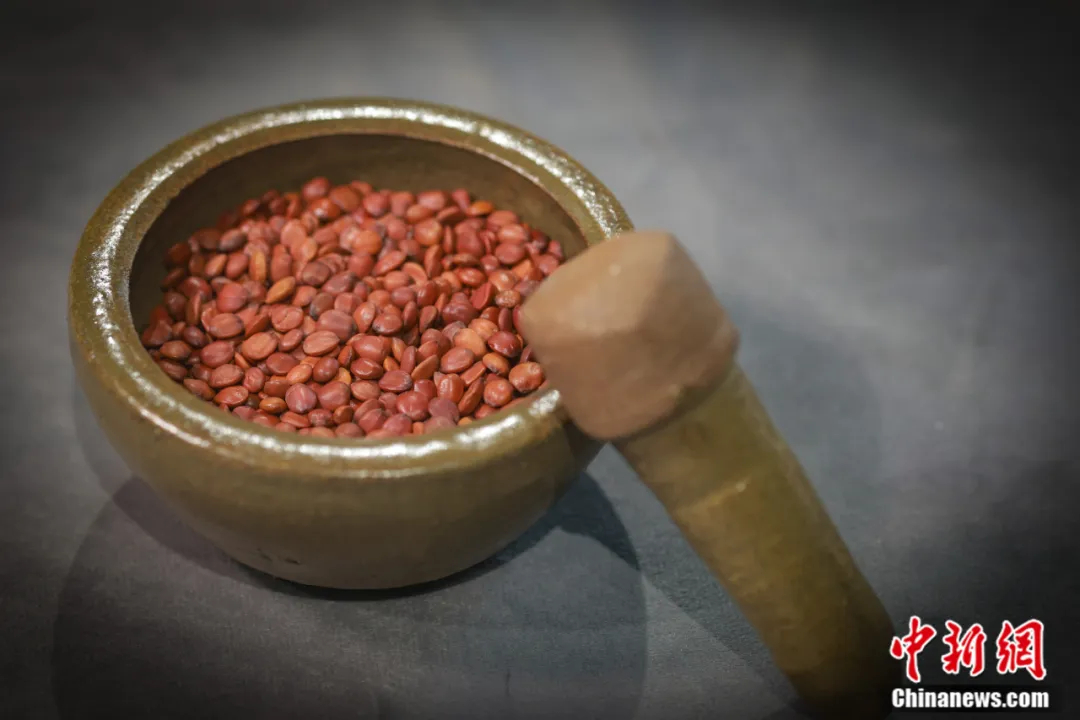
Photo shows wild jujube seeds in Neiqiu county, Xingtai city, north China's Hebei Province. (Photo/Liu Jidong)
Sleep quality across China remains far from ideal, with more than 65 percent of respondents reporting ongoing problems, according to a 2025 white paper on sleep health among Chinese residents. In Neiqiu county, Xingtai city, north China's Hebei Province, wild jujube seeds, a natural remedy, are quietly finding their way into households across the country.
Wild jujube seeds have been used for medicinal purposes for over 2,000 years in traditional Chinese medicine. Classical medical texts note their ability to calm the mind, promote restful sleep and regulate sweating, making them an essential ingredient in treatments for insomnia and heart palpitations.
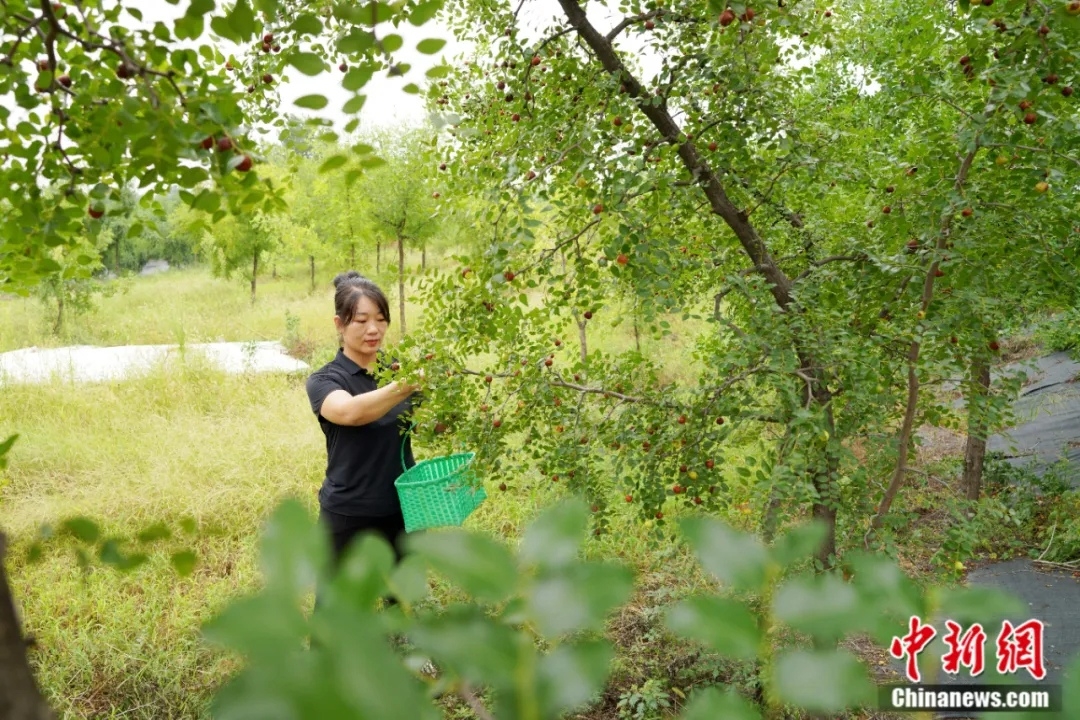
A villager picks wild jujubes at a plantation in Neiqiu county, Xingtai city, north China's Hebei Province, Sept. 4, 2025. (Photo/Liu Jidong)
Modern studies support these traditional claims, showing that compounds such as saponins and flavonoids in wild jujube seeds can help improve sleep quality and relieve anxiety.
Neiqiu county is widely recognized as an authentic source region for the herb. It serves as the country's wild jujube seed processing and distribution hub, with more than 500 years of experience in wild jujube processing.
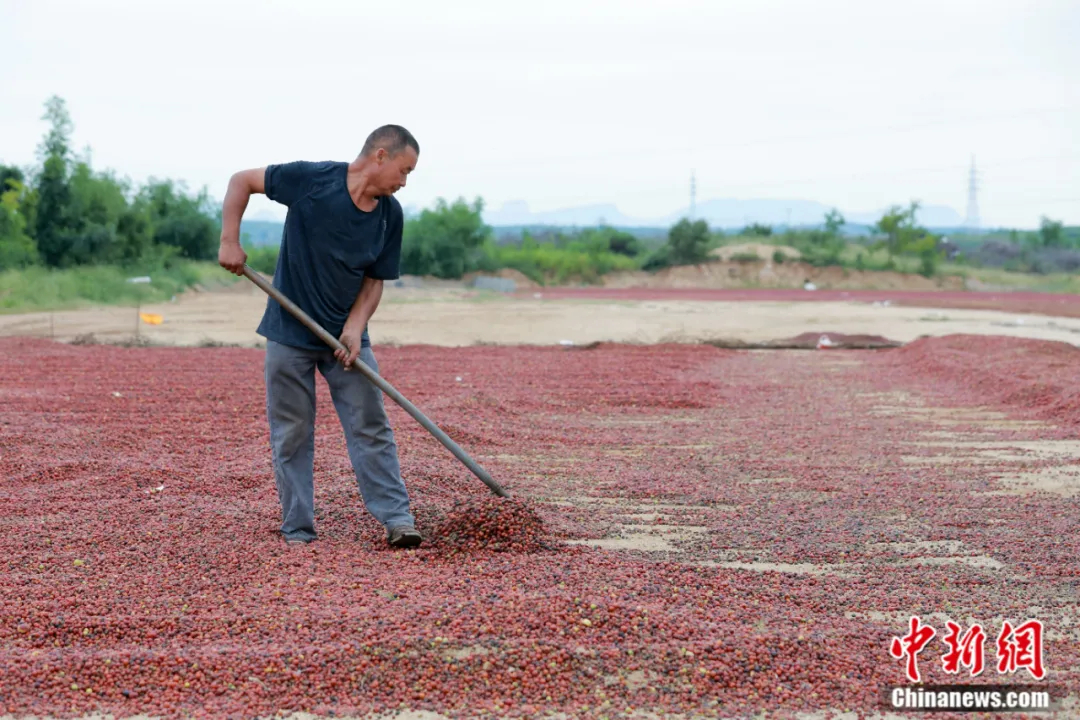
A villager dries wild jujubes at a plantation in Neiqiu county, Xingtai city, north China's Hebei Province, Sept. 4, 2025. (Photo/Liu Jidong)
Today, Neiqiu is home to 300,000 mu (20,000 hectares) of wild jujube trees, both cultivated and naturally grown. The county accounts for over 70 percent of China's total wild jujube seed processing volume, generating an annual output value of 5.7 billion yuan ($809 million) and providing jobs for 43,000 local residents.
Its products are sold in bulk to markets in places such as Anguo city in Hebei, Bozhou city in east China's Anhui Province, and Anyang city in central China's Henan Province. They are also exported to South Korea, Japan and Southeast Asia.
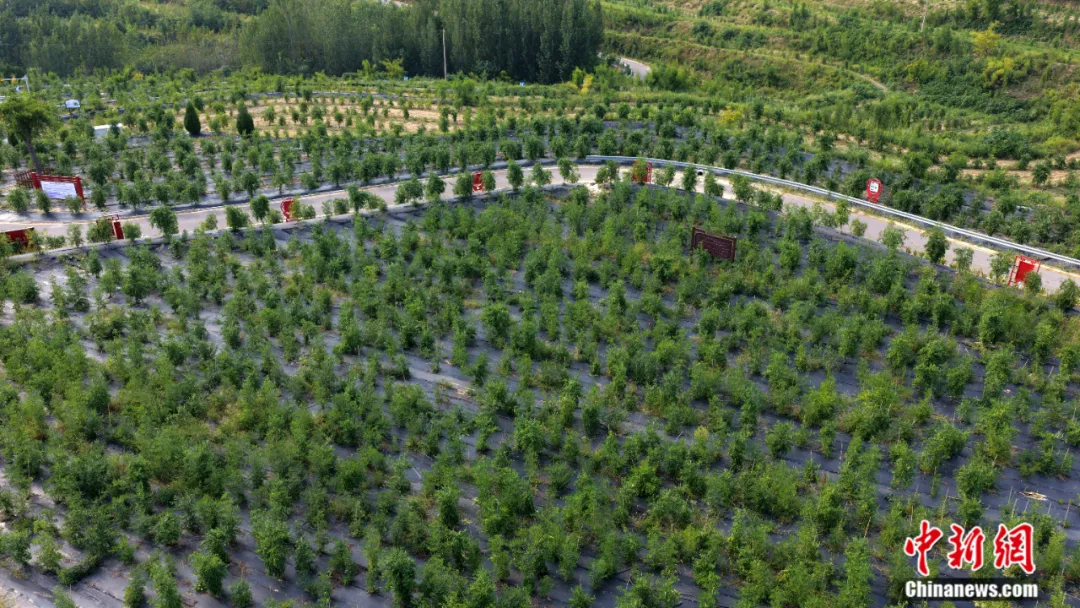
Photo shows a wild jujube plantation in Neiqiu county, Xingtai city, north China's Hebei Province, Sept. 8, 2025. (Photo/Liu Jidong)
As wild jujube moves through an increasingly sophisticated industrial chain, its value continues to grow. The seeds are used in calming herbal remedies. The fruit flesh is made into juice, preserved snacks and beverages. The tender leaves are brewed into tea. Even the shells find new uses, serving as pillow fillings or as raw materials for furfural and activated carbon production.
Neiqiu has established a complete wild jujube industrial ecosystem encompassing variety selection, seedling cultivation, standardized planting, scientific research, processing, sales and logistics. To date, more than 200 wild jujube products have been developed, along with over 80 creative cultural products.
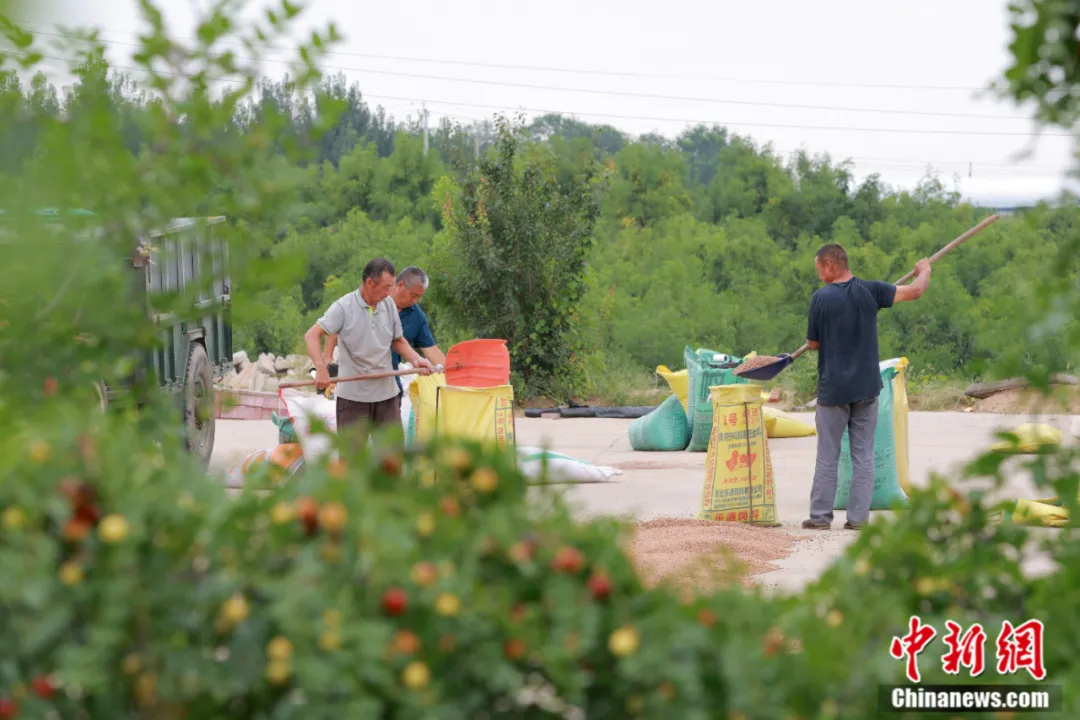
Villagers package wild jujube seeds at a plantation in Neiqiu county, Xingtai city, north China's Hebei Province, Sept. 4, 2025. (Photo/Liu Jidong)
In recent years, Neiqiu has capitalized on rising demand driven by sleep-related issues, combining its distinctive medicinal resources with the legacy of Bian Que, a renowned ancient physician.
By making healthy sleep a key entry point for its wellness industry, the county is advancing the integration of traditional Chinese medicine with modern healthcare and positioning itself as a national hub for better sleep.
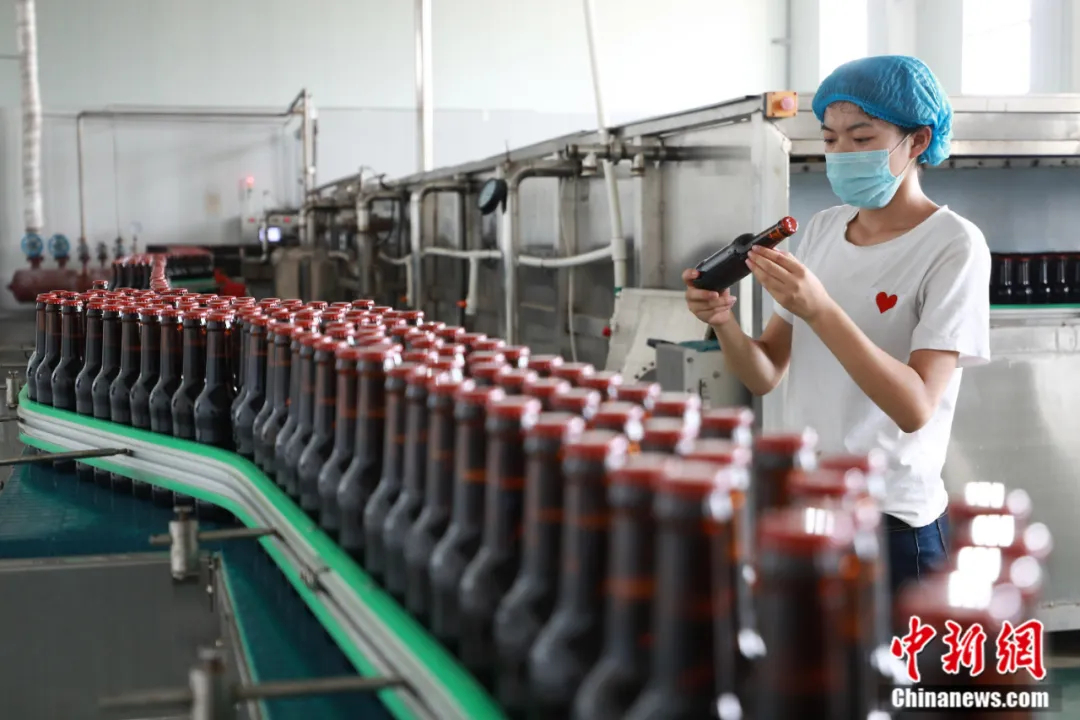
A worker makes wild jujube juice at the production workshop of a company in Neiqiu county, Xingtai city, north China's Hebei Province. (Photo/Liu Jidong)
Photos
Related Stories
- North China rural road leads to new Grand Canal vitality
- Urban ring greenway made fully accessible to public in N China
- How Olympic legacy is driving ice-and-snow economy in north China
- Young artisan preserves 300-year-old wood carving craft in N China's Hebei
- Makeup brush industry boosts local economy in Qingxian County, China's Hebei
Copyright © 2026 People's Daily Online. All Rights Reserved.
