



'Taiwan independence' fiasco: The DPP embarrasses itself in the Pacific
The Democratic Progressive Party (DPP) authorities in Taiwan have a long record of seeking international spotlight. A recent case in point was their attempt to muscle in on the 55th Pacific Islands Forum (PIF) Leaders Meeting held in Palau from late August to early September.
Palau, one of the few countries in the Pacific and around the world that maintains so-called "diplomatic ties" with Taiwan, appeared to offer Taipei an opportunity in the spotlight. Taiwan authorities reportedly made strenuous efforts to take part in activities surrounding the meeting and to extract maximum publicity from every public appearance and photo opportunity. The result was familiar. Reports said that some Pacific leaders were absent from the meeting, amid speculation over disagreements surrounding Taiwan's participation.
This begs a basic question: Why can Taipei still maintain "diplomatic ties" with a handful of countries despite the overwhelming international consensus on "one China"? The answer is money.
In June 2026, former Taipei city councilor Tung Chung-yen said on an online program that Taiwan provides Palau with around $10 million annually under an "economic revitalization" program. Critics have long questioned how Taiwan's aid is used. The controversy highlights a larger problem: Can international recognition really be bought?
Courting presence at the margins of an international gathering or crashing a few photographs with foreign officials hardly constitutes international recognition. Critics in Taiwan have branded such practices of the DPP as "checkbook diplomacy," arguing that public funds should instead be used to improve people's livelihoods.
The backlash was also seen in Pacific media reports. The Solomon Star reported that Taiwan had increased its annual aid to Palau from $18 million in the previous year to $25 million in 2026, and that the external affairs authority of the Taiwan region paid Palauan government officials to sway domestic political balance. It also warned that "diplomacy" risks becoming a costly transaction ultimately paid for by ordinary taxpayers in Taiwan.
More importantly, the one-China principle has long been the mainstream position among Pacific Island countries. Of the 14 Pacific Island countries, 11 have established diplomatic relations with the People's Republic of China, leaving the Taiwan authorities with only three so-called "diplomatic allies" in the region, with a combined population of less than 70,000.
Recent developments further demonstrate this trend. President David Adeang of Naoero said that Taiwan has always been part of China, and that the people of Taiwan are Chinese and part of the Chinese nation. The Federated States of Micronesia and Tonga have respectively reaffirmed their longstanding support for the one-China principle and opposition to "Taiwan independence." Kiribati is pushing a constitutional amendment consolidating relations with UN-recognized states, according to media reports. Papua New Guinea (PNG) announced in July the closure of the Taipei economic office in the country. And Vanuatu says its political parties have consistently upheld the one-China principle.
Support for the one-China principle is not confined to governments alone. Pacific societies have also voiced opposition to attempts to inject the Taiwan question into the region's development agenda. The Post-Courier, PNG's largest newspaper, recently published a letter from a local entrepreneur, stressing that the one-China principle is widely recognized internationally and that the Taiwan question is China's internal affair.
Against this backdrop, attempts by the DPP authorities to create political space in the Pacific through diplomatic maneuvering are unlikely to shake the region's broad commitment to the one-China principle. Photo ops may generate headlines, but they do not generate recognition.
The facts surrounding Taiwan's status are clear: The one-China principle continues to guide the diplomatic choices of the vast majority of countries in the Pacific and beyond.
(The author is a commentator on international affairs, writing regularly for Xinhua News, Global Times, China Daily, CGTN etc. He can be reached at shaoxia2019@163.com.)
Photos
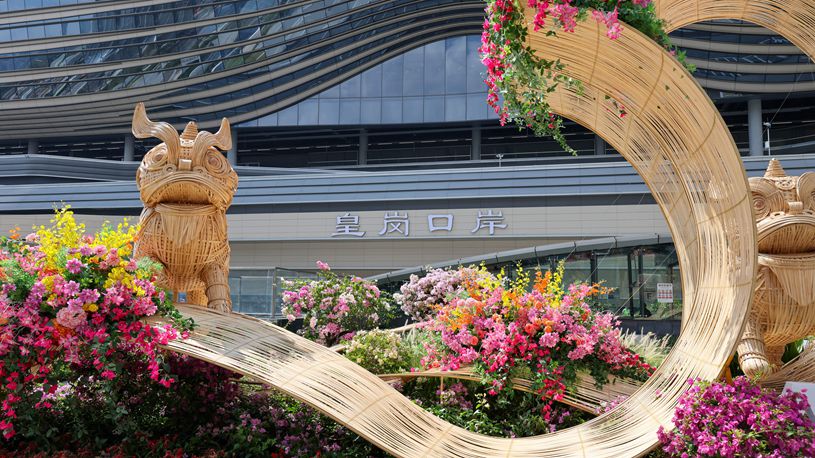 Redeveloped port opens for easier cross-border travel between China's Shenzhen, Hong Kong
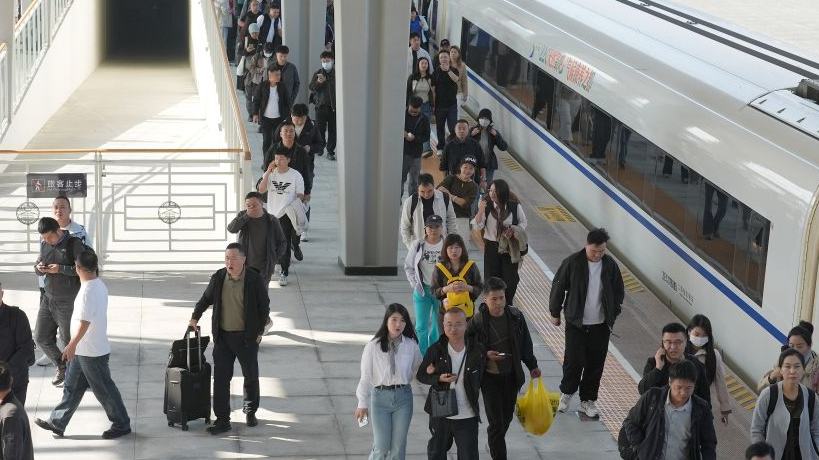 Xi'an-Ankang high-speed railway boosts tourism in Ankang, China's Shaanxi
 Tourists enjoy sunrise at Mount Tai in China's Shandong
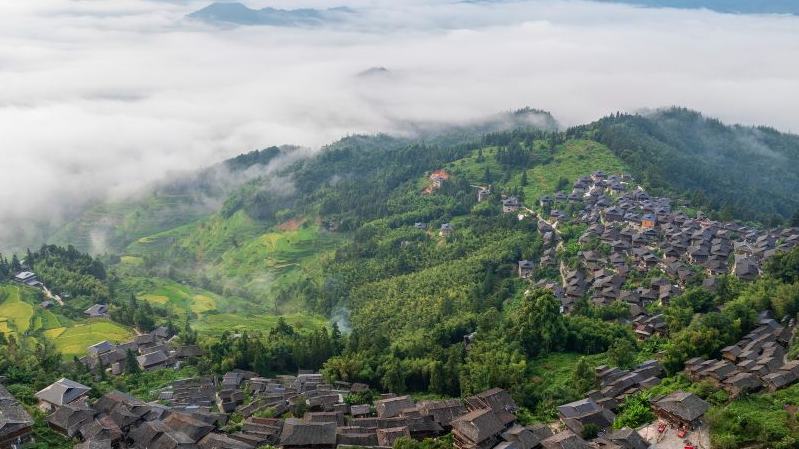 Basha Village in China's Guizhou draws tourists with charming scenery and folk customs
Related Stories
- Shameless deception
- Commentary: Taiwan leader's repackaged rhetoric cannot conceal his secessionist agenda
- Mainland slams Lai Ching-te's secessionist narrative
- Tsai Ing-wen's provocative trip to the US: an outright sellout of Taiwan
- Firm opposition to "Taiwan independence" serves common interests of China, U.S.: mainland spokesperson
Copyright © 2026 People's Daily Online. All Rights Reserved.
