



Beyond the China-Nepal crest: A shared pulse in the mud
The raw power of nature has once again revealed its ruthlessness. On August 26, an unprecedented ice and rock avalanche, triggered by a high-altitude glacier collapse in Nepal, set off a fast-moving chain of mudslide that struck Gyirong Port on the China-Nepal border in southwest China's Xizang Autonomous Region. The disaster caused heavy casualties, left many missing, and destroyed vital infrastructure on both sides of the border — a stark reminder that our survival is an interconnected reality.
Yet, amid the overwhelming grief, the world witnessed an extraordinary display of cross-border solidarity that pierced through the debris and brought out humanity at its best.
From dark tunnels to shared miracles: The frontline rescue
In northern Nepal's Rasuwa district, the sudden deluge caused a catastrophic collapse inside a hydroelectric project tunnel, trapping local workers in complete darkness. Facing an engineering nightmare and life-or-death stakes, the Nepalese government turned to its neighbor for help. China's response was immediate and decisive. Seizing a critical window of survival, a specialized team of Chinese tunnel rescue experts was dispatched and flown directly into the hard-hit disaster zone by helicopter, braving hazardous weather.
Working shoulder to shoulder with technical teams from the Nepalese Army, Chinese experts ventured deep into the unstable, mud-slicked tunnel where they conducted high-risk structural assessments and secured a "life tunnel" for rescuers. On August 31, the Nepalese Army confirmed that this joint, relentless effort had yielded a miracle: two trapped workers were pulled alive from the depths of the earth. The breakthrough stands as a living testament to the conviction shared by responders on both sides: "Even if there's no road, we will make one."
From high tech to human care: The borderless aid
The China-Nepal joint disaster response proves that "a friend in need is a friend indeed." In the critical fight against time, China's immediate, all-out emergency assistance has brought decisive strength and support to its neighbor in its darkest hour, multiplying the efficiency of local responders.
The physical aid was reinforced by cutting-edge technology. In addition to sending two specialized teams of tunnel rescue experts to help Nepal tackle the complex engineering challenges of reopening the key cross-border route, China proactively shared with Nepalese authorities satellite images and real-time hydrological data of the disaster-hit areas to help them map out safe rescue paths and deployed a laser-based AI monitoring device to help rescue teams detect landslide and rockfall risks in real time.
To address the immediate survival needs of the affected local population, the Chinese government dispatched 50 tonnes of urgent relief supplies straight to the disaster zones and provided $2 million in cash aid, complemented by an additional $200,000 from the Red Cross Society of China.
This blend of local bravery and neighborly solidarity illustrates what a community with a shared future for humanity truly means.
From local crisis to global climate: The common future
Beyond the immediate relief efforts, the tragedy in the China-Nepal border areas serves as a profound reminder of our shared vulnerabilities and the urgent need for unified action. This region, dubbed Earth's "Third Pole," is warming at a rate significantly higher than the global average, triggering unpredictable catastrophes like this high-altitude glacier collapse. The people living in these mountainous regions bear the most devastating consequences of these changing environmental patterns. Public discourse now needs to shift from mere sympathy to a collective commitment to build long-term climate resilience. Global stakeholders and neighboring countries must step up funding for climate adaptation, early-warning systems, and resilient infrastructure in vulnerable mountainous nations.
The successful tunnel rescue should not be celebrated merely as an isolated miracle. It should be embraced as a salient example of deeper international cooperation and technological collaboration, and a clarion call for proactive climate action. It is through these very trials that our collective resilience is defined. A shared future for humanity is not given, but forged in defying adversity together.
(The author is a commentator on international affairs, writing regularly for Xinhua News, Global Times, China Daily, CGTN, etc. He can be reached at xinping604@gmail.com.)
Photos
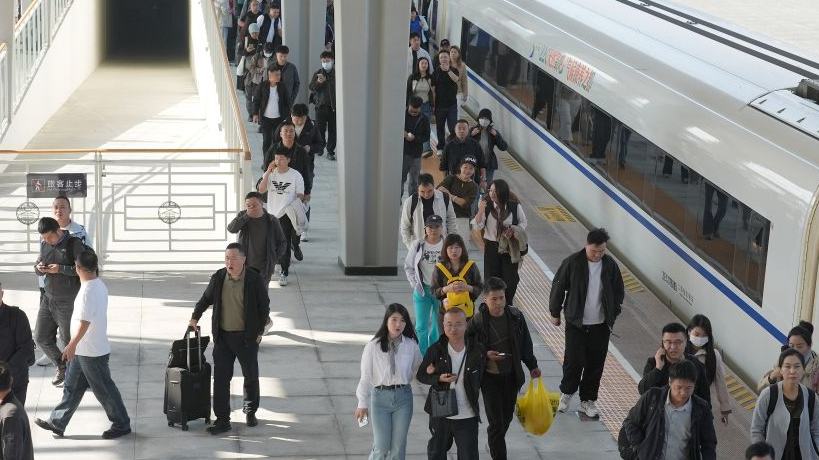 Xi'an-Ankang high-speed railway boosts tourism in Ankang, China's Shaanxi
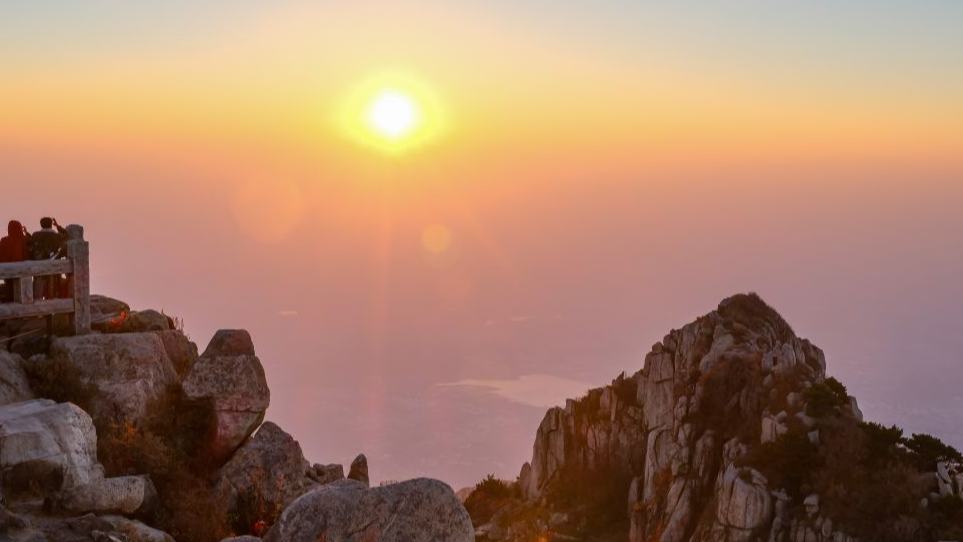 Tourists enjoy sunrise at Mount Tai in China's Shandong
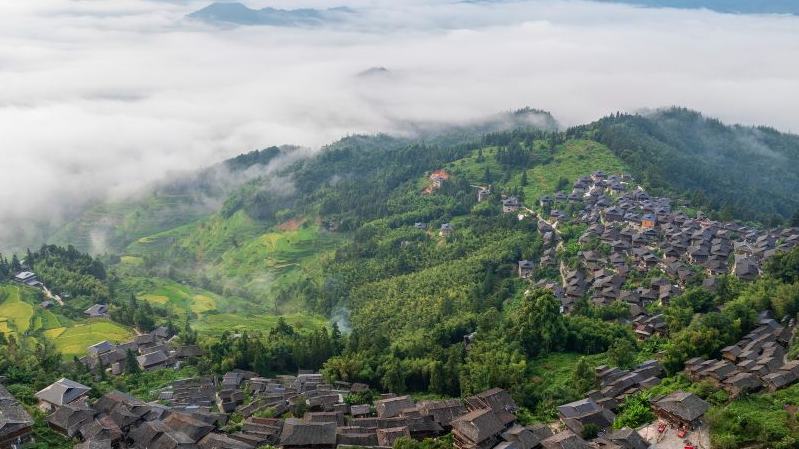 Basha Village in China's Guizhou draws tourists with charming scenery and folk customs
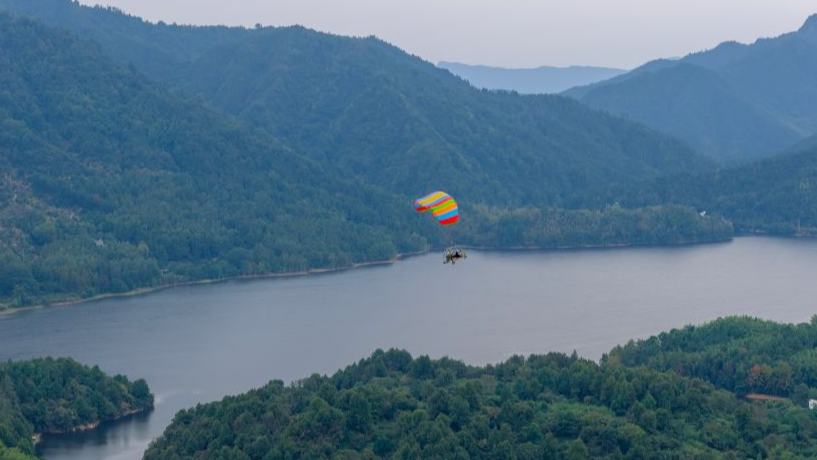 Low-altitude tourism programs become growth point in Hongcun Village, China's Anhui
Related Stories
- China willing to provide assistance within capacity for Nepal's needs: spokesperson
- China provides climate forecasts to support Nepal's post-mudslide relief
- 4th batch of Chinese emergency aid arrives in Nepal
- China has sent fourth batch of emergency relief supplies to Nepal: spokesperson
- Chinese meteorological technology supports post-mudslide rescue efforts in Nepal
Copyright © 2026 People's Daily Online. All Rights Reserved.
