



South African minister courts China for R2.2 trillion energy investment opportunities
South Africa is looking to deepen cooperation with China as it seeks to mobilize investment, technology and expertise for an ambitious transformation of its electricity sector, with Electricity and Energy Minister Kgosientsho Ramokgopa highlighting the significant opportunities created by the country's R2.2 trillion ($122 billion) energy investment program.
The investment program forms part of South Africa's Integrated Resource Plan (IRP) 2025, which envisages the addition of 105 gigawatts of new electricity generation capacity between now and 2039. The plan is designed to strengthen energy security while gradually shifting the country towards a cleaner and more diversified electricity mix.
China is emerging as an important potential partner in this transition, given its extensive experience in renewable energy, electricity infrastructure, energy storage and grid development. Ramokgopa has previously described China as a dominant player in the global renewable energy sector and said its experience in modernizing its electricity system could provide valuable lessons for South Africa.
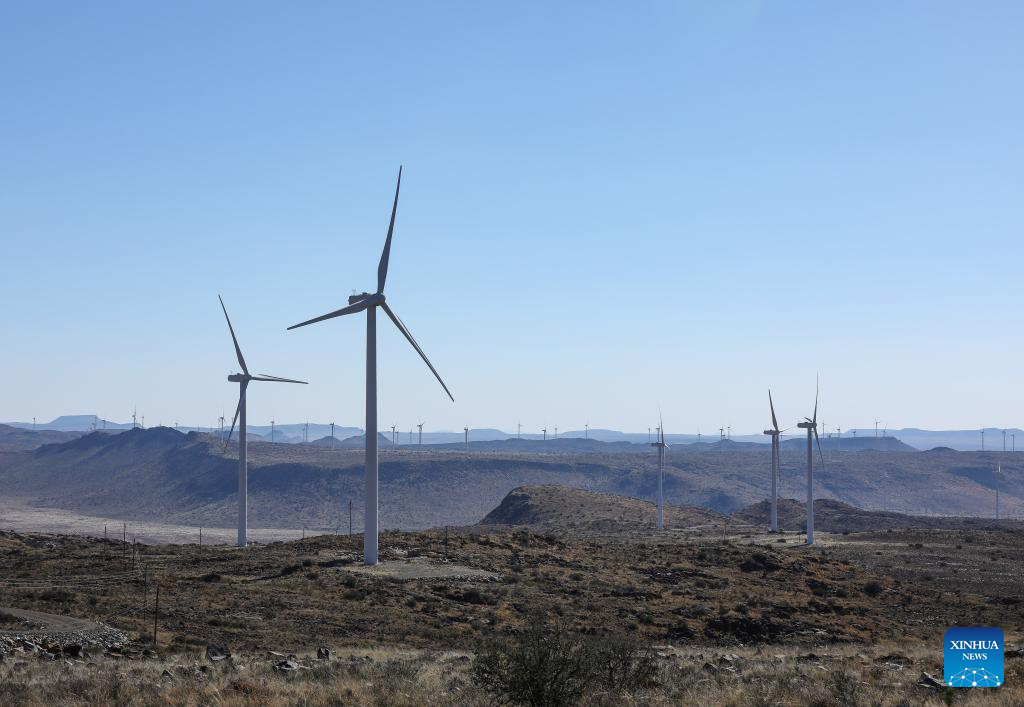
This photo taken on Oct. 22, 2025 shows wind turbines of De Aar Wind Power Project in De Aar, Northern Cape, South Africa. (Xinhua/Han Xu)
The scale of South Africa's planned investment creates opportunities across the entire energy value chain. According to the government, the country needs about R2.2 trillion for new generation capacity, while a further R440 billion is required for the construction of approximately 14,500 kilometers of new transmission infrastructure.
For South Africa, attracting Chinese participation could extend beyond the construction of individual renewable energy projects. Potential areas of cooperation include solar photovoltaic manufacturing, wind power, battery storage, transmission infrastructure, smart-grid technologies and skills development.
China has established a substantial global manufacturing and technology base in renewable energy. Its companies have played an increasingly important role in solar power, batteries and other clean-energy technologies, giving South Africa an opportunity to explore partnerships that could combine Chinese technology and investment with local resources, businesses and labor.
The partnership also fits into a broader history of energy cooperation between the two countries. During the 2023 BRICS Summit in Johannesburg, South Africa and China signed agreements covering support for addressing the country's electricity crisis and advancing its energy transition.
South Africa is now seeking to move from policy commitments to large-scale implementation. The IRP 2025 envisages 11,270MW of additional solar photovoltaic capacity and 7,340MW of wind capacity by 2030, alongside other generation technologies. By 2039, the plan anticipates a substantially larger and more diversified electricity system.
The country's renewable energy procurement program is already demonstrating the scale of investment that can be mobilized. In December 2025, the government announced an additional 890MW of solar photovoltaic capacity under Bid Window 7 of the Renewable Energy Independent Power Producer Procurement Programme, bringing the total capacity procured in that window to 3,940MW across 18 solar projects. The projects represented about R16 billion in investment.
For Chinese investors and technology companies, South Africa's energy transition presents an opportunity to participate in a market where electricity demand, industrialization and the need for new infrastructure are converging.
The opportunity is also closely connected to South Africa's broader industrialization ambitions. The IRP identifies the energy transition as a potential catalyst for economic growth, while the government has emphasized the importance of developing local manufacturing and skills alongside new infrastructure.
Ramokgopa has encouraged South Africans, particularly young people and entrepreneurs, to position themselves within the emerging green economy. He noted that many of the components required for new transmission infrastructure and renewable energy projects could create opportunities for local businesses.
This approach could give China-South Africa energy cooperation a broader economic dimension. Rather than focusing solely on importing equipment, partnerships could support local assembly, manufacturing, technical training and participation by South African companies in renewable energy supply chains.
At the same time, the scale of the program means that financing will remain a critical consideration. South Africa faces substantial infrastructure requirements, particularly in expanding its transmission network to connect renewable energy resources in areas such as the Northern Cape and Eastern Cape with major centers of electricity demand.
The challenge of financing and building this network has been highlighted as one of the biggest obstacles to accelerating the country's energy transition. Earlier analysis by Reuters noted that South Africa needs major investment in transmission infrastructure and that private-sector participation could be essential to closing the financing gap.
Against this backdrop, stronger engagement with China could provide South Africa with another avenue for accessing capital, technology and engineering expertise, while allowing Chinese companies to participate in one of the country's largest infrastructure development opportunities.
The R2.2 trillion program should therefore be viewed not simply as a renewable energy investment drive, but as part of a much broader restructuring of South Africa's electricity system. Its success will depend on investment, grid expansion, technology, skills and effective cooperation between government and the private sector.
As South Africa seeks to build a more reliable and cleaner electricity system, closer cooperation with China could become an important component of its strategy to turn the country's energy transition into an opportunity for infrastructure development, industrial growth and job creation.
Photos
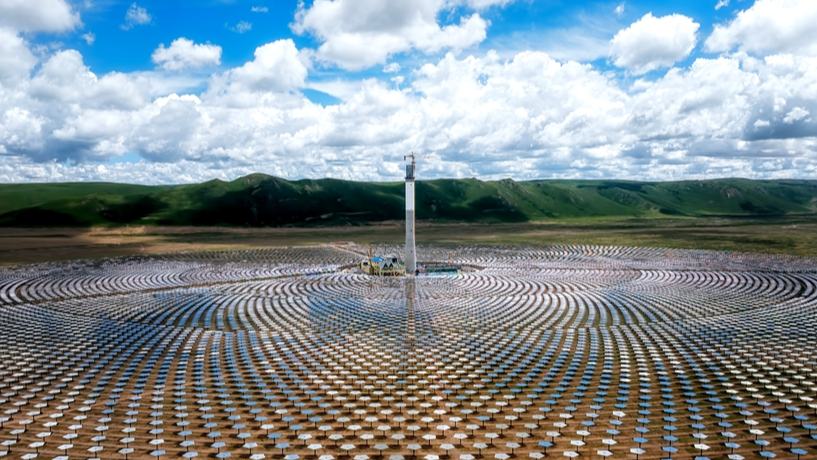 World's highest-altitude solar thermal power plant completes heliostat installation in SW China's Xizang
 Immersive experiences increasingly popular amid China's summer travel boom
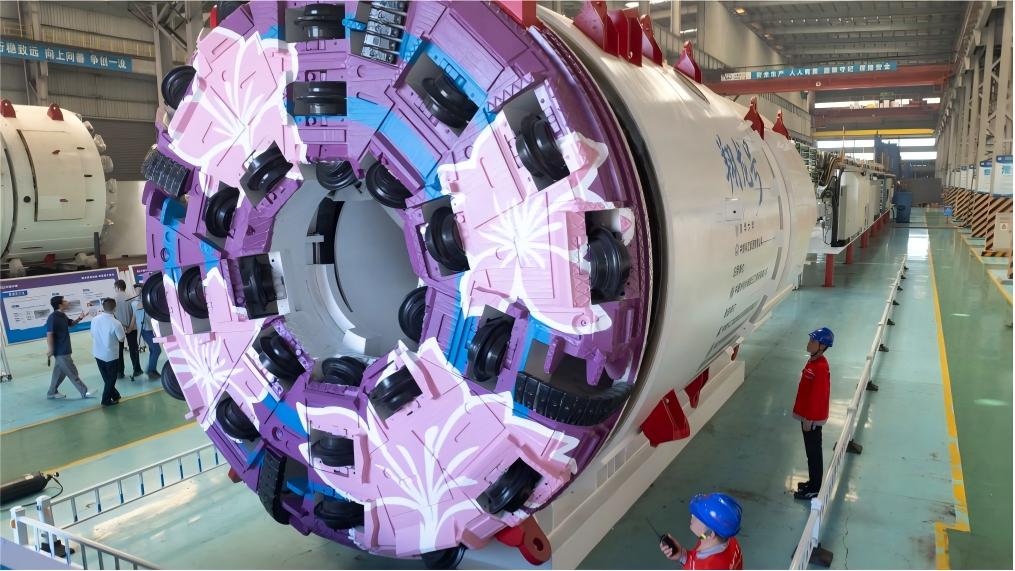 China's first boring and blasting machine rolls off production line in Wuhan, China's Hubei
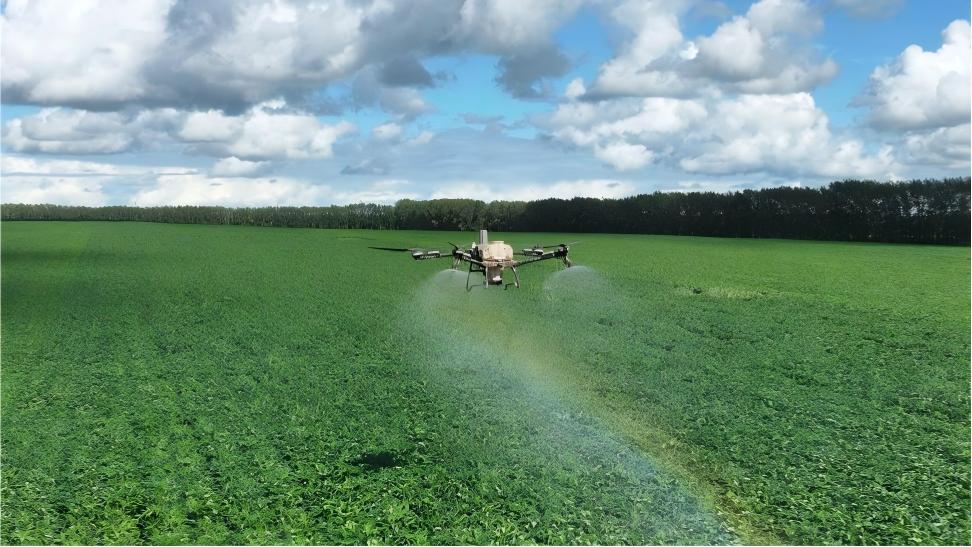 Aerial crop protection operations launched in fields of NE China's Heilongjiang
Copyright © 2026 People's Daily Online. All Rights Reserved.
