
Wed,Jul 16,2014
 Happy life in Xinjiang
 2014 China Hainan Int'l Automotive Exhibition kicks off
 Collection of 'China Dream' public-spirited ads
 The silent holy stones
 University students take care of giant pandas
 Leading lady a true legend
 China Pan-Asia Stone Expo held in Kunming
 Taiwan woman marries into Kazak family, 100 sheep plus a flat as dowry
 College girls take graduation photos under water in Chongqing
 Cartoon: Xi and football
BEIJING, July 16 -- Developing countries' long-held dream of forming a bank finally came true this week as the emerging-market bloc BRICS announced Tuesday the establishment of a development bank and a contingent reserve arrangement (CRA) at their sixth summit in the Brazilian city of Fortaleza.
The bank, created by five members of the BRICS -- Brazil, Russia, India, China and South Africa -- is aimed at "mobilizing resources for infrastructure and sustainable development projects in BRICS and other emerging and developing economies," as it is manifested by the Fortaleza Declaration.
The exhilarating outcome is due to the joint efforts from BRICS members to deepen their economic cooperation and tap their potential by innovative means and methods.
It dispels any doubts about member countries' determination to form such a bank, and shores up investors' trust in the capacities of the emerging economies.
Indeed, though faced with such challenges as slower economic growth, increase of inflation, capital outflow and currency depreciation due to the impact of the global economic crisis and decreased exports to developed countries, the emerging economies are determined to deal with any ups and downs by expanding cooperation in more fields.
On the other hand, emerging economies have a urge to boost innovative capacities and competitiveness in the global market by reforming their economic structures and imbalanced development models.
The BRICS development bank and the CRA are expected to help the BRICS countries tap their market potential and diversify exports, and offers more options for them when developing their economies while avoiding risks.
The two mechanisms will also serve as useful subsidies to the World Bank and the the International Monetary Fund (IMF), so as to strengthen the international financial system, making it a more balanced and just one.
The bank, to be headquartered in Shanghai, will have an initial authorized capital of 100 billion U.S. dollars, and its initial subscribed capital of 50 billion dollars will be equally shared among founding members.
The shared portion means each member country shoulders equal responsibility and their cooperation is based on an equal footing from the start.
The bank also eyes the less developed countries in Africa, with an African regional center of the bank setting up in South Africa.
The bank is expected to facilitate trade, enhance financial ties, tackle tax-related challenges and tap the cooperation potential in more fields.
 Moms on their kid’s coming out
 Chinese fighters through lens
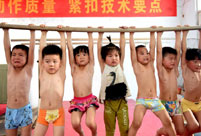 Children attend gymnastics training in summer
 Beautiful sceneries along the special travel route in Xinjiang
 Beauty SWAT member in Xinjiang sparks online frenzy
 Germany beat Argentina 1-0 to win World Cup
 National fitness team members integrate traditional and modern beauty
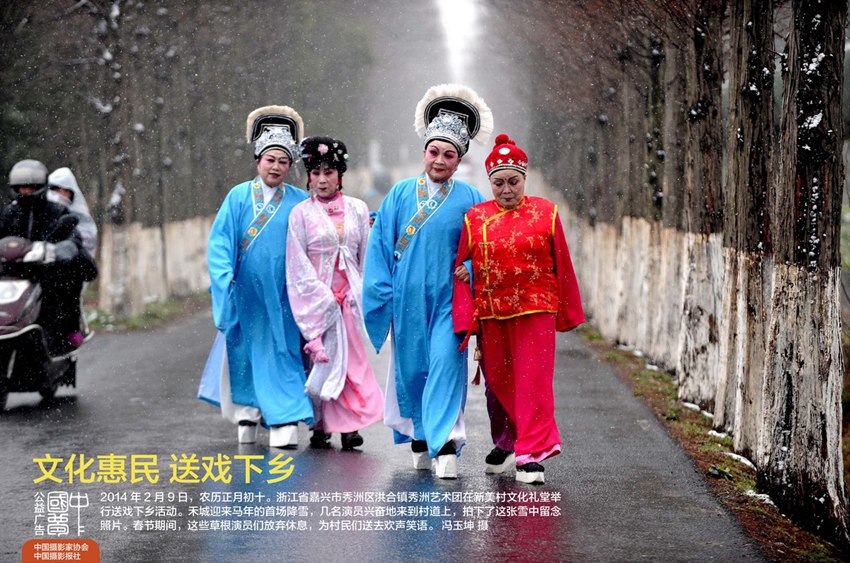 Collection of 'China Dream' public-spirited ads
  How Chinese men kill the time when their wives practice square dancing?
 China's largest 3D printer builds 2-meter-long boat
 One-legged women with high heel goes viral on Internet
 Photos of the Week
(July 6 - July 12)
Photos of the Week
(July 6 - July 12)
 'Super moon' seen in Beijing
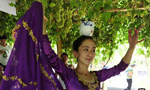 Happy life in Xinjiang
 'Finding Nemo' in Seattle Aquarium
Day|Week|Month